





Strategy
Latest News
Advertisement
Latest Videos
Shorts
1:18
Pharma 50: The Trends Behind the Numbers
a month ago
by
Michael Christel
0:54
Why We Need Better Drugs, Not Just More Drugs
3 months ago
by
Mike Hollan(+1 more)
0:27
The Key to AI Scale-Up
3 months ago
by
Michael Christel(+1 more)
0:47
Tackling Duplicate Discounts
4 months ago
by
Michael Christel(+1 more)

0:59
Big Pharma’s Next Big Shift: Rare Diseases vs. Mass Markets
5 months ago
by
Mike Hollan(+1 more)
0:43
Branding's Hidden Power
6 months ago
by
Michael Christel(+1 more)
0:38
Europe’s Innovation Edge?
7 months ago
by
Michael Christel(+1 more)
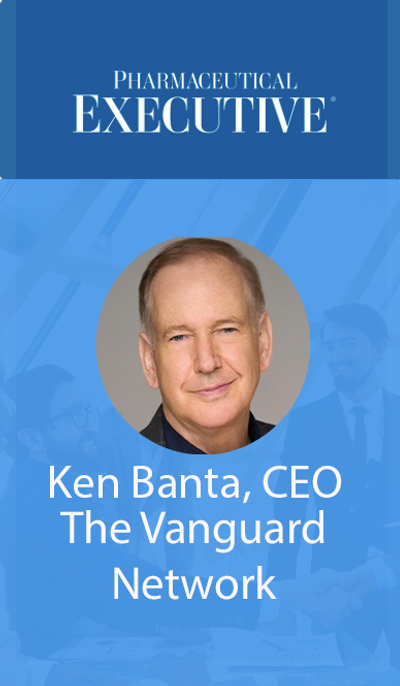
1:05
The EQ Imperative for Life Science CEOs
8 months ago
by
Michael Christel(+1 more)
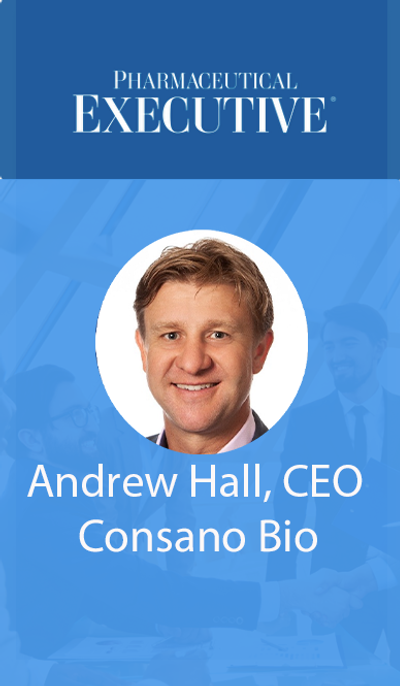
0:51
Biotech's Risk Mandate
8 months ago
by
Michael Christel(+1 more)
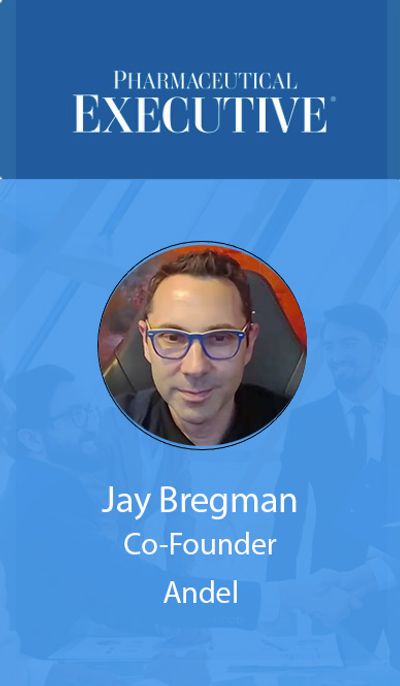
0:56
Orals vs. Injectors - The Future of Weight Loss Maintenance
9 months ago
by
Mike Hollan(+1 more)
Advertisement
More News

ESC 2026 marked a turning point — GLP-1s earn their first formal heart failure guideline recommendation and become a cardiometabolic platform.

A passing FDA inspection tells pharma senior leadership very little about whether the next significant revenue vulnerability is already taking shape. But continuous, AI-enabled quality management maturity (QMM) has the potential to do so months before the issue reaches the realm of P&L.

How the proposed lateral network can change the traditional mindset around communications and pharma’s role in today’s new flow of health information.

Why purpose is becoming the most important infrastructure in AI-driven health care technology.

As Japan prices take on greater global significance, disciplined launch strategy can help pharma companies capture the full value of innovation.

The future of engagement won’t be defined by how much information reaches health care professionals, but by how precisely it supports the decision at hand.

How earlier signals of misconnection may help pharma identify trust breakdowns before they show up as lagging measures in adherence, initiation, engagement, and outcomes.

Digital health's point-solution era is giving way to broader platforms, and the cost-savings claims those platforms make to employers often don't hold up to methodological scrutiny.
Dr. Jeremy Levin joins Ken Banta to share why he believes biotech's future demands a new level of leadership and stakeholder education — and why "mission without method" is a wasted effort.

Six years after Rutledge, new court rulings, federal PBM reforms, and state ownership bans are redrawing the limits of pharmacy benefit regulation.

The best CI partner isn't the one with the most data — it's the one willing to tell you your assumptions are wrong.

As GLP-1 competition shifts from molecules to prescriptions, manufacturers, pharmacies, providers, and payers are racing to own the patient journey.
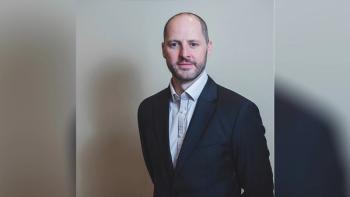
How the shifting tides in information consumption are resetting expectations for pharma in providing and delivering health education.

Bristol Myers Squibb’s Wendy Short Bartie on recasting corporate affairs as an enterprise value engine that connects trust, access and the patient voice.

A new benchmarking survey of 33 biotech and medtech leaders reveals a leadership community operating in crisis mode — and what that means for how the industry needs to rethink peer support, advisory and the isolation built intothe CEO role itself.

The advantages of synthetic advisory boards in stress-testing hypotheses and iterating across a greater scope of scenarios than live boards allow.

As leaders, we must evaluate solutions to fragmentation by asking the right questions.

Ten life sciences board directors on AI's three hardest questions: developing the next generation of talent, accountability for speed, and board fluency.
Model N's Jesse Mendelsohn examines the growing stakes surrounding the 340B Drug Pricing Program — and how claims data, rebate models and simmering legal challenges are influencing manufacturer response and strategy today.

Real-world evidence tells you what happened. Real-World iNSIGHTS tell you why — and what to do next. A new framework for medical affairs.
Pharma has more competitive data than ever — and is still getting surprised. Lifescience Dynamics on why intelligence requires human judgment.
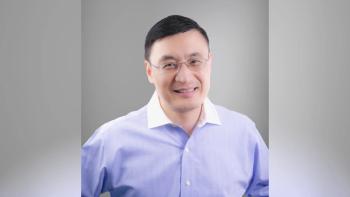
K2 Therapeutics CEO discusses China's biotech rise, the case for global asset acquisition, and what defines a successful biotech.
K2 Therapeutics CEO Ying Huang on how in-licensing assets with existing human data can cut years and billions from the drug development timeline.
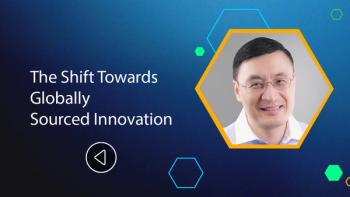
K2 Therapeutics CEO Ying Huang discusses why government investment and US-trained returnees have made China's biotech innovation surge irreversible.

How drug pricing, tariffs, and manufacturing decisions are becoming connected.
Advertisement
Advertisement
Trending on PharmExec
1
Roundup: TRexBio & Retension Pharmaceuticals Announce IPO Pricing
2
The Most Important Lessons Learned from Building CGT Supply Chains: LogiPharma 2026
3
Ultragenyx to Sell Rare Pediatric Disease Priority Review Voucher for $210 Million
4
FDA Approves Tecentriq for Stage III dMMR Colon Cancer
5