

With healthcare at a key crossroads of policy, technology, and science, Sanofi CEO Paul Hudson shares the Big Pharma’s formula for navigating the new age of innovation, where running from risk is not an option.
Michael Christel is the group managing editor of Pharmaceutical Executive, BioPharm International, and Applied Clinical Trials and can be reached at mchristel@mjhlifesciences.com.
With healthcare at a key crossroads of policy, technology, and science, Sanofi CEO Paul Hudson shares the Big Pharma’s formula for navigating the new age of innovation, where running from risk is not an option.

Ways biopharma organizations and media brands can leverage coverage opportunities to help achieve respective audience goals and missions.

Ken Banta, founder and CEO of The Vanguard Network, reveals the mindsets and moves biopharma leaders need to not just endure—but rise above—the current age of industry disruption.

How a layered approach—tapping new avenues from earned media—can go a long way in boosting the brand engagement interplay between pharma companies and physicians.

A timeline of key developments surrounding Sarepta Therapeutics' Duchenne muscular dystrophy drug Elevidys, and the potential future impacts for gene therapy regulation and market access.
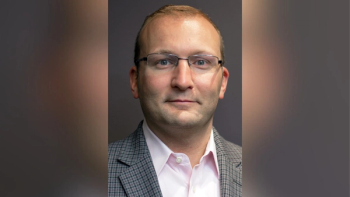
Q&A with Model N's Michael Grosberg drills deeper into the new US drug pricing directives, including challenges in implementation, the potential unintended consequences, and how these actions could spark the shift to outcomes-based contracting in healthcare.

With a backdrop of mounting industry disruption and transition, Pharm Exec’s latest listing of the top global biopharma sales producers, its 25th, points to the importance of organizations doubling down on what they do best while seizing new opportunities to innovate.

Dive into a sampling of data drivers—and expanded insights—poised to impact and reshape our annual leaderboard.

Insights on ways pharmacy benefit managers can tap earned media to enhance their reputation—and demonstrate value through transparency, storytelling, and leveraging data to improve patient care.

Our exclusive poll captures today's top trends and perspectives—shaped by those pharma decision-makers impacted the most.

The latest Q&A installment in Pharm Exec's earned media series details key strategies for leveraging breaking news at industry trade shows, including the upcoming American Society of Clinical Oncology (ASCO) Annual Meeting.
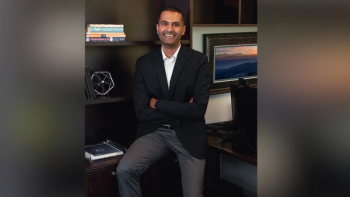
Milan Kalawadia, CEO, North America, at Dr. Reddy’s Laboratories, goes inside the company’s new growth initiatives—and stretching the boundaries in healthcare exploration.

Introducing a new series highlighting ways pharma companies can up their game in winning earned media—and ultimately deliver greater impact and value from their messaging.

CEO Richard Francis reflects on Teva’s return to growth during his tenure, and what’s next for the drugmaker in its quest to recapture the heights of old.

The biosimilars market in the US is on the rise, but barriers to greater adoption remain.

Jan van de Winkel, PhD, president and CEO of Genmab, the longtime innovation engine in antibody drug development, discusses its vision for adding a new business identity: commercial driver.

Ken Keller, CEO of Daiichi Sankyo’s US business, reflects on the trials, triumphs, and lessons learned in steering the transformation of a legacy cardiovascular company into a global leader in oncology—advancing a vision for a reimagined future in cancer treatment.

Q&A with Evaluate’s Paul Verdin digs deeper into the data-backed drivers likely to sway the future growth and jockeying of biopharma’s top players.

Highlighted by notable company and product maneuvering at the top and the continued dramatic growth of therapeutic settings such as GLP-1s, Pharm Exec’s latest listing of the top global biopharma sales producers is proof-positive of an industry in transition.

How pharma and biotech leaders can navigate today’s challenging landscape—focusing on revamped approaches in business operations, talent strategy and development, and more to meet the evolving demands.
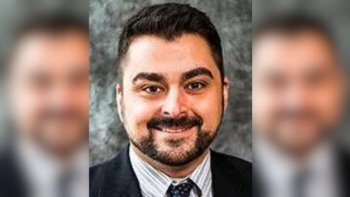
In this Pharmaceutical Executive video interview, Jesse Mendelsohn, senior vice president at Model N, discusses how more granular insights into channel, tracing, and chargeback data can help drugmakers make smarter provider and payer contracting decisions.
In this Pharmaceutical Executive video interview, Jesse Mendelsohn, senior vice president at Model N, talks about the influence of Medicare Part D drug price negotiations on manufacturer go-to-market strategies and decision-making, and the industry’s response to the wider dialogue on pricing transparency.
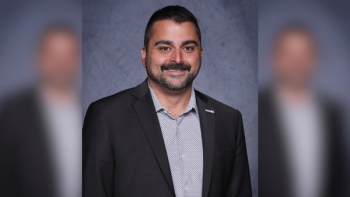
In this Pharmaceutical Executive video interview, Jesse Mendelsohn, senior vice president at Model N, discusses the changing dynamics today for companies in revenue management and planning—and the increasing importance of a well-tooled and well-trusted analytics component in fueling product launch, M&A, and other data-centered pursuits.

In this Pharmaceutical Executive video interview, Chris Dowd, senior vice president of market development, ConnectiveRx, discusses the evolution of drug copay adjustment programs and the circumstances that fueled their controversy across industry, political, and healthcare community circles.

Entrenched and emerging hurdles alike are challenging manufacturer pricing and access strategies.
A look at how legislation—and the wider quest for more transparency on drug costs and reimbursement—may impact manufacturer product launch and pricing strategies in the years ahead.

A deep dive into the complex playing field for M&A and partnering pursuits in today’s increasingly make-or-break landscape for biopharma innovation.

With the sales boom from COVID-19 products now in the rear-view, a resetting is underway for those in Pharm Exec’s listing of the top biopharma producers—shifting attention to new Rx roads ahead and the steady strategies needed to navigate a bumpy business terrain.
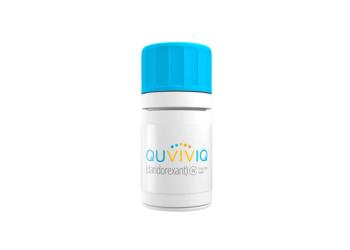
Tapping the potential of new market mindset in insomnia—delivering a quality next day.

The windfall from COVID-19 vaccines and treatments has shaken up Pharm Exec’s latest listing of the top global biopharma sales producers in record-breaking fashion, but a likely leveling off—along with challenging patent and global climates—should shift some of the spotlight to anticipated non-COVID risers and perhaps more definitive maneuvering ahead.