

Regulatory
about 15 hours ago
FDA Extends Talzenna-Xtandi to Hormone-Sensitive Prostate Cancerabout 23 hours ago
The Importance of Reframing COVID-19 as a Preventable Eventabout 23 hours ago
AI Twins Are Growing in the Pharma Industry4 days ago
MFN Is an Offer Pharma Can’t RefuseLatest Content
Oct 26, 2026 | News
Pharmaceutical Executive Daily: Pathos AI Enters Collaboration with Bristol Myers Squibb

FDA Extends Talzenna-Xtandi to Hormone-Sensitive Prostate Cancer
Oct 26, 2026

Bristol Myers Squibb Discloses Patient Death in CAR-T Multiple Sclerosis Trial
Oct 26, 2026

Pathos Ai Enters Drug Development Collaboration with Bristol Myers Squibb and Tempus Ai
Oct 26, 2026

The Importance of Reframing COVID-19 as a Preventable Event
Oct 26, 2026




Advertisement
Shorts

1:27
What's Shifting and What's Staying the Same
a day ago
by
Mike Hollan

1:14
Market Movers RX: Car Zeiss Meditec Leads Gainers
4 days ago
by
Nicholas Jacobus
0:42
Is Your Infrastructure Ready for AI Tools
6 days ago
by
Mike Hollan(+1 more)
1:03
Biotech’s Education Mandate
12 days ago
by
Michael Christel(+2 more)
1:07
The Next Generation of Obesity Treatment Challenges
13 days ago
by
Mike Hollan(+1 more)
1:11
Market Movers RX: Pacific Biosciences Leads Gainers
18 days ago
by
Nicholas Jacobus
1:07
The Hidden Cost of Self-Reported Patient Data
20 days ago
by
Mike Hollan(+1 more)
0:48
Why Connecting Talent is the Key to Scaling Business
a month ago
by
Mike Hollan(+1 more)
1:09
Filling the Gaps in Digital Health and Care Navigation
a month ago
by
Mike Hollan(+1 more)
1:17
Market Movers RX: Moderna & Roche Top Gainers
a month ago
by
Nicholas Jacobus
2026 Emerging Pharma Leaders
From guiding pursuits in artificial intelligence and R&D to scientific marketing and company building, meet Pharm Exec’s new slate of select rising leaders who are helping to shape the next generation of biopharma innovation.

Finding the Universal Truth in a Drug's Story
Sarah Ghosh, U.S. scientific marketing lead in oncology at Regeneron, discusses developing and adapting the narrative for a medication for every global market.

Preventing Cardiovascular Disease Through Mission-Driven Leadership
Rena Denoncourt, chief operating officer at Corsera Health, discusses the operational challenges of building a startup and how she balances prioritization with the flexibility drug development demands.
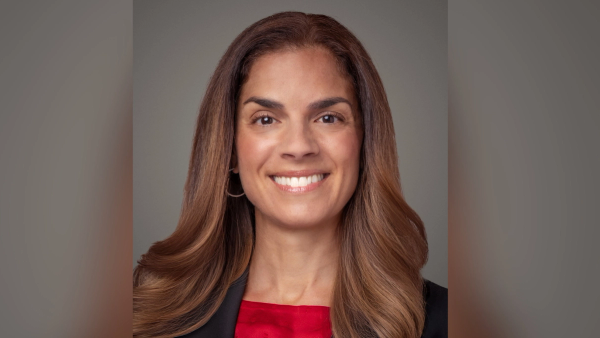
What C-Suite Readiness Really Requires
Dr. Nick Botwood, chief medical officer and head of research and development at Syndax Pharmaceuticals, draws on his career to explain what separates good R&D organizations from great ones.

Two Decades of Technology Transformation in Pharma
Abid Rahman, head of AI Agency and innovation at EVERSANA, explains how the pharmaceutical industry is moving from generative to agentic AI.

Podcasts
Videos










All News
Advertisement
Advertisement
Pharmaceutical and health economist Dr. Nadine Zawadzki, Senior Director, FTI Consulting joins the Ron Lanton Report to discuss how value is defined and measured across healthcare.

Brox.AI’s Hamish Brocklebank on why it retired “digital twin” for “digital clone” — and why the distinction matters for pharma research accuracy.

FDA approved an at-home induction option for risankizumab-rzaa in adults with moderate-to-severe Crohn's disease, based on the phase 3 AFFIRM trial.

Treasury proposes adding biotechnology to its Outbound Investment Security Program, a pharma funding roundup covers Gilead’s $1.275 billion acquisition of an oral IL-23R inhibitor from PepStar and Zymeworks’ licensing deal with Roche, and Incubate’s John Stanford on why MFN is an offer pharma can’t refuse.

Dave Maraldo, Ph.D., president of manufacturing at Merck, explains how flexible capacity, earlier input from manufacturing in R&D, and digital tools are helping the organization keep up with a faster, more varied portfolio.

The Treasury Department is proposing rules to add biotechnology to its Outbound Investment Security Program under the COINS Act.

Gilead agrees to acquire an oral IL-23R inhibitor from PepStar, while Zymeworks licenses its DLL3-targeting T cell engager ZW209 to Roche.

Incubate’s John Stanford on why MFN is voluntary in name only — and why the moonshot is the first casualty of drug pricing pressure.
FDA grants Ultomiris accelerated approval for primary immunoglobulin A nephropathy, a pharma funding roundup covers Alcon’s $550 million acquisition of Neurotech and AI Proteins’ collaboration with Astellas, and Incubate’s John Stanford on which therapeutic areas MFN deals might hit hardest.

Alcon is acquiring Neurotech Pharmaceuticals to add the only FDA-approved MacTel cell therapy to its retina portfolio, while AI Proteins has enters a collaboration with Astellas to design novel miniprotein therapeutics.
Advertisement

FDA has granted accelerated approval to Ultomiris based on Phase III data showing a 43.4% placebo-adjusted reduction at 34 weeks.
A new ICER and West Health report finds median drug launch prices climbed to $257,000, the FDA approves GSK’s Hibsago as the first functional-cure therapy for chronic hepatitis B, and CSL names Deborah Waterhouse as CEO and managing director.

Median Drug Launch Prices Hit $257,000 as Access Barriers Persist, ICER and West Health Report Finds
Median net launch prices for new drugs climbed between 2022 and 2025 to $257,000, according to a new ICER and West Health report that also found persistent coverage and access barriers for patients.

The FDA approved GSK's bepirovirsen for adults with chronic hepatitis B on nucleoside therapy, based on phase 3 trials showing 19% functional cure.

Deborah Waterhouse is leaving ViiV Healthcare to become CEO and managing director of CSL.
Advertisement
Advertisement
Trending on PharmExec
1
Bristol Myers Squibb Discloses Patient Death in CAR-T Multiple Sclerosis Trial
2
The Importance of Reframing COVID-19 as a Preventable Event
3
FDA Extends Talzenna-Xtandi to Hormone-Sensitive Prostate Cancer
4
AI Twins Are Growing in the Pharma Industry
5