




Hansoh Pharma enters a collaboration and license agreement with Roche covering a broad portfolio of antibody-drug conjugate programs.
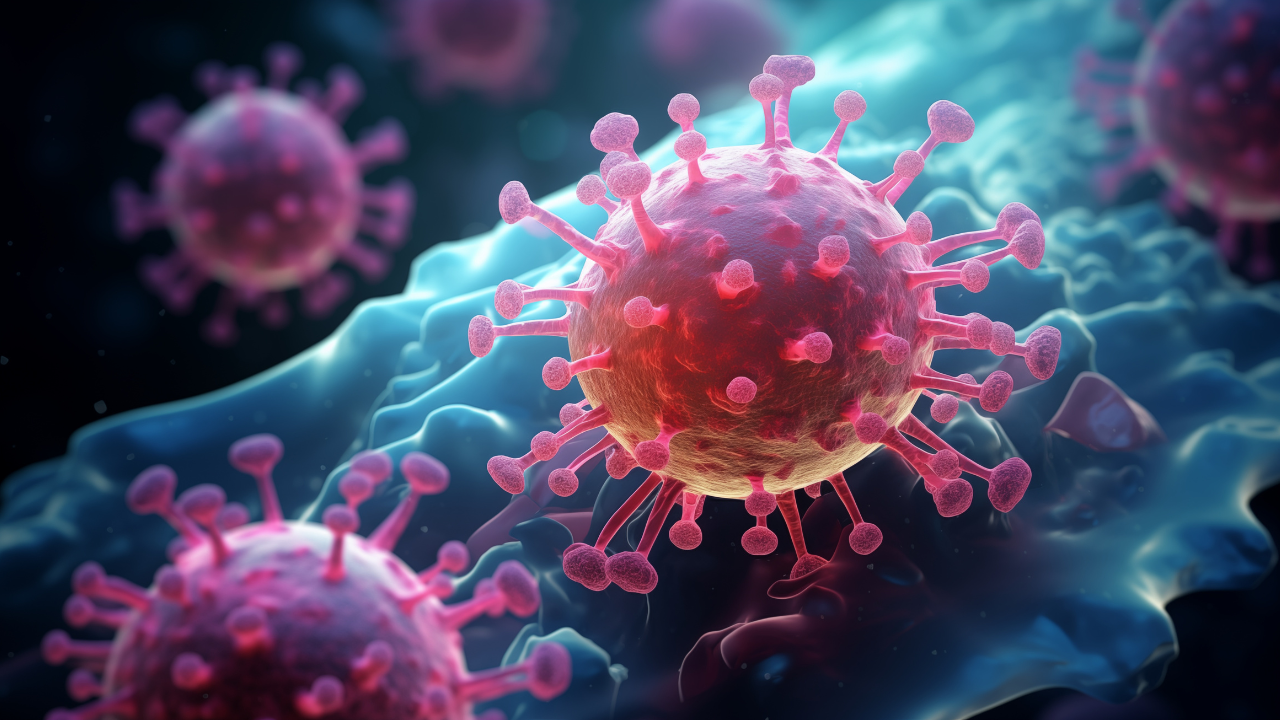
Hansoh Pharma enters a collaboration and license agreement with Roche covering a broad portfolio of antibody-drug conjugate programs.
AstraZeneca will pay insitro $40 million upfront to apply AI to target discovery in MASH and cardiomyopathies, with no candidates named yet.
Gilead and Vir Biotechnology Enter a $1.87 billion collaboration to discover three PRO-XTEN dual-masked T-cell engagers aimed at solid tumors.
Roche licenses Rona Therapeutics’ ALK7-targeting RNAi candidate for obesity, while Pfizer partners with Enodia Therapeutics on Sec61 inhibitor discovery.

Shionogi is acquiring IntraBio for $2 billion, Gate Bioscience expands its collaboration with Eli Lilly, and Alector licenses Al050 to Genentech.

CSL partners with Alentis Therapeutics to co-develop lixudebart, while Jiangsu Nhwa licenses a clinical-stage sleep disorder candidate to Somnivera.

Novartis licenses Abogen's mRNA-encoded CD19xCD3 T-cell engager, while AstraZeneca and Daiichi Sankyo partner with Summit Therapeutics.

Regeneron and Sanofi are expanding their two-decade antibody alliance to co-develop four new long-acting immunology antibodies in a deal worth up to $8 billion.
Novo licensed Hengrui's once-weekly oral GLP-1/GIP dual agonist HRS-1596 in a deal worth up to $2.6 billion, while AstraZeneca invested $2 billion in Summit Therapeutics to pair ivonescimab with its antibody-drug conjugate portfolio.

Merck licenses a preclinical KRAS G12D inhibitor from SciBrunch, FDA approves Olumiant, Juvmo, and Atebrioz across three separate indications, and Matthew Montes de Oca makes the case for compounding pharmacies to set their own safety standards.

Merck has acquired exclusive global rights to SciBrunch's preclinical KRAS G12D inhibitor SPR2015.

Three platform-technology deals paired Nanexa, Earendil Labs, and Atavistik Bio with Novo Nordisk, Genentech, and Roche to advance next-generation metabolic and oncology medicines.

Eli Lilly is set to pay InnoCare Pharma up to $3.35 billion to discover and develop compounds against upwards of five undisclosed targets.

Novartis has agreed to pay BoomRay up to $900 million for exclusive global rights to an undisclosed preclinical radioligand therapy asset.

Lisata Therapeutics acquires Marea Therapeutics and secures $225 million in concurrent financing, while mAbxience and Sandoz partner to develop and globally commercialize an emicizumab biosimilar.

Five major pharma stories in one day — Novo's rebrand and AI bets, Bayer's 30-year CKD first, GSK's T-cell engager, and Sanofi's portfolio exit.

Orbis Medicines strikes a partnership with Novo, Dualitas Therapeutics enters collaboration with Roche, and Aethlon Medical has agreed to merge with North Immunology.

Alteogen grants Novartis options to develop subcutaneous formulations using its ALT-B4 hyaluronidase platform, NewBiologix and Synastra partner to develop a stable producer cell line, and RedHill acquires global commercialization rights to Ferring's Rebyota and Clenpiq.
Simcere Zaiming has licensed its first-in-class tri-specific CD79a/CD19/CD3 T-cell engager Sim0660 to Roche for up to $1.53 billion, including a $75 million upfront payment.
DualityBio has licensed its Dupac next-generation ADC payload platform to Genentech, and Teva has entered a stalking horse bid to acquire BioXcel's Igalmi.
A new Eli Lilly study links Zepbound to lower healthcare costs in older adults with obesity, Biohaven and Haisco strike major licensing deals with SK Biopharmaceuticals and Sentivera, and Raviv Pryluk makes the case for rethinking clinical trial sample sizing.
Biohaven grants SK Biopharmaceuticals an exclusive worldwide license to its Kv7 ion channel platform, while Haisco licenses a preclinical type 2 inflammatory disease asset to newly formed Sentivera.

Hanmi Pharm has licensed HM17321 to Genentech for up to $2.3 billion, including a $190 million upfront payment.
From an approval for a disease affecting 900 people worldwide to a new drug class in multiple myeloma and a $322 million biosimilar collaboration — this week's deals and approvals reveal a lot about how pharmaceutical strategy is evolving.
Amplitude Therapeutics enters a collaboration with Eli Lilly to develop trans-amplifying RNA vaccines, while Chai Discovery partners with Bristol Myers Squibb to deploy its AI molecular folding and design models across BMS's antibody discovery portfolio.