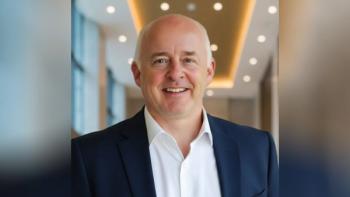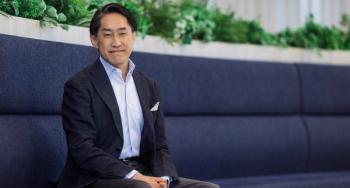
Astellas CEO Naoki Okamura is putting a “patient axis” operating model, a broader portfolio of strategic brands and a new generation of science to work in the company’s bid to return to record growth.
Transparency can be a double-edged sword - especially if you are a doctor receiving money to speak on behalf of a drug company. Sure the pay day is nice, but does the public outing open you up to scrutiny?
GlaxoSmithKline wasn’t kidding when it said it is going to be fully transparent with payments to physicians. The Big Pharma, on Monday, released a 121-page spreadsheet detailing which physicians received payment, how much, their location, and whether they received a consulting fee, a speaker fee, or both.
The highest paid doctor appears to be Philadelphia-based urologist Richard Harkway, who was paid $77,100 in the second quarter of 2009 for speaker fees. In total, GSK shelled out $14.6 million to 3,700 US-based doctors, at an average fee of $3,909. Payments ran the gamut, ranging from $750 to well over $50,000.
“Healthcare professionals bring knowledge and perspective from their experiences that they share with us and other healthcare professionals as we work to improve patient care,” stated Deirdre Connelly, GSK’s president of North America Pharmaceuticals, in a release. “These are professionals who should be fairly compensated for the services and expertise they provide. There are strict guidelines about how we work together.”
This report is part of GSK’s initiative to boost transparency. In the future, the company plans to release payments made as part of research studies, as well as posting study data on the clinical study register, publishing all clinical research results, and reporting clinical trial investigator names.
GSK is releasing this data on its own prerogative, as are Merck and Lilly. Last year, Cephalon was forced by Health and Human Services to unveil its payments as part of federal investigation into off-label marketing practices.