



SH-105 eliminates the need for powder reconstitution, which Shorla stated will bolster the novel product’s efficiency and lower the risks associated with drug preparation.
SH-105 eliminates the need for powder reconstitution, which Shorla stated will bolster the novel product’s efficiency and lower the risks associated with drug preparation.
Lutikizumab (ABT-981) will advance to a Phase III trial in patients with moderate to severe hidradenitis suppurativa who previously failed anti-tumor necrosis factor therapy.

Supplemental Biologics License Application would convert the accelerated approval granted to Tivdak (tisotumab vedotin-tftv) to a full approval for patients with recurrent or metastatic cervical cancer with disease progression on or after first-line therapy.
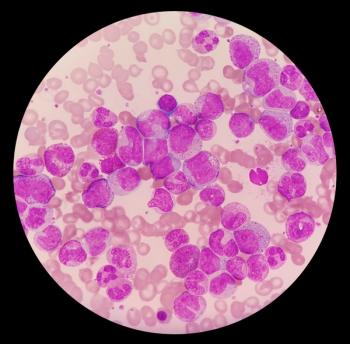
Scemblix (asciminib) plus investigators’ choice of tyrosine kinase inhibitor showed clinically meaningful and statistically significant data in patients newly diagnosed with Philadelphia chromosome-positive chronic myeloid leukemia in chronic phase.

Merck is actively enrolling patients across Phase III trials for four novel candidates for hematologic malignancies and solid tumors.

Cretostimogene grenadenorepvec (CG0070) is currently being evaluated for the treatment of patients with high-risk Bacillus Calmette-Guérin–unresponsive non–muscle invasive bladder cancer with carcinoma in situ with or without Ta or T1 tumors.
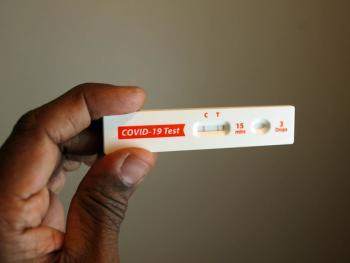
VYD222 is a broadly neutralizing, half-life extended monoclonal antibody developed specifically to prevent COVID-19 in immunocompromised adults and adolescents.

Study results show an estimated 71.4% survival rate after both 24 and 36 months with aglatimagene besadenovec (CAN-2409) in combination with valacyclovir for the treatment of patients with pancreatic ductal adenocarcinoma compared with 16.7% in the control group.

If approved by the FDA, Xolair would be the first drug indicated to lower allergic reactions to multiple foods after an accidental exposure, including peanut, milk, and egg allergies.
Filsuvez (birch triterpenes) is indicated to treat partial thickness wounds associated with junctional epidermolysis bullosa and dystrophic epidermolysis bullosa.

Garadacimab is a novel, first-in-class, recombinant monoclonal antibody for hereditary angioedema that targets activated Factor XII.

Merck’s Biologics License Application for V116, a novel 21-valent pneumococcal conjugate vaccine has been given a Prescription Drug User Fee Act (PDUFA) date of June 17, 2024.

Indication of Adbry (tralokinumab-ldrm) expanded to include patients 12 to 17 years of age with moderate-to-severe atopic dermatitis whose disease is not adequately controlled with topical prescription therapies or for whom those therapies are not advisable.

Pivotal trial findings show favorable clinical safety and efficacy data for mRNA-1345 in lowering the incidence of respiratory syncytial virus-associated lower respiratory tract disease.

Jemperli plus standard-of-care chemotherapy with carboplatin and paclitaxel, followed by Jemperli plus Zejula as maintenance therapy produced a statistically significant and clinically meaningful benefit in progression-free survival in patients with primary advanced or recurrent endometrial cancer.
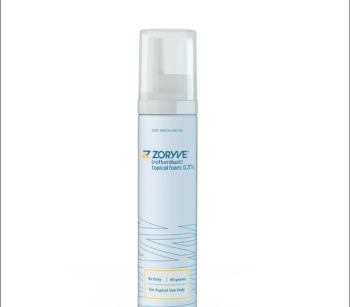
Zoryve (roflumilast) topical foam, 0.3% is the first approved treatment for seborrheic dermatitis with a new mechanism of action in more than two decades.
In clinical trials, Padcev (enfortumab vedotin-ejfv) plus Keytruda (pembrolizumab) produced a statistically significant improvement in survival compared to platinum-based chemotherapy alone in patients with locally advanced or metastatic urothelial cancer.
Erasca will initiate the pivotal SEACRAFT-2 trial in the first half of 2024 to evaluate naporafenib in combination with trametinib in adults with unresectable or metastatic melanoma with an NRAS mutation.
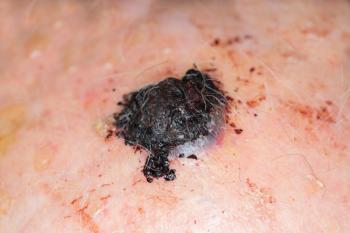
Adjuvant treatment with Moderna’s mRNA-4157 (V940) in combination with Merck's Keytruda lowered the risk of recurrence or death by 49% compared with Keytruda monotherapy.
Welireg (belzutifan) approved for the treatment of adults with advanced renal cell carcinoma that progressed after a regimen of a PD-1 or PD-L1 inhibitor and a VEGF-TKI.

Eflornithine (Iwilfin) approved by FDA for adult and pediatric patients with high-risk neuroblastoma who showed at least a partial response to previous multi-agent and multimodality treatment that included an anti-GD2 immunotherapy.

MAPS Public Benefit Corporation filed a new drug application for MDMA (midomafetamine capsules) for use with psychological intervention for the treatment of post-traumatic stress disorder.

Current industry challenges present an opportunity for innovation and the adoption of new solutions, particularly in addressing barriers related to patient recruitment, engagement, and retention.

Bristol Myers Squibb will pay $800 million upfront to SystImmune for the rights to codevelop and sell a potentially first-in-class bispecific antibody-drug conjugate that has shown promise treating non-small cell lung cancer and breast cancer.

Phase III trial to investigate novel individualized neoantigen therapy V940 (mRNA-4157) in combination with Keytruda (pembrolizumab) as an adjuvant treatment for patients with completely resected Stage II, IIIA, or IIIB non-small cell lung cancer.