




Expansion aims to continue to create programs that address health and education inequities.

Expansion aims to continue to create programs that address health and education inequities.
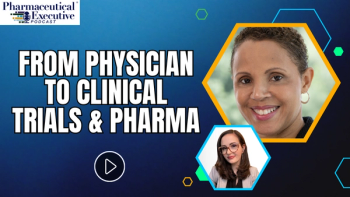
Elizabeth (Beth) Garner, chief scientific officer for Ferring Pharmaceuticals, discusses what it was like transitioning from working as a gynecologic oncologist and seeing patients to working in pharma, specifically clinical trials.

First guidance in this area from the Agency addresses the unique challenges when designing clinical studies for these drugs

Christon Hill, chief innovation officer, SERB Pharmaceuticals, reveals the demand for antidotes, the process of financial backing, administration needs, as well as antidotes the company is working on, including antidotes for toxins, infectious diseases, biological agents, and drug toxicities.

When deciding on the right commercialization model, organizations must consider multiple factors, including the asset or platform they possess, the launch timing, the funding required, and staffing expertise.

O'Neill discusses the company's place in the global market and recent advancements to improve the patient experience.

Panel discusses what real-world evidence—and related patient-reporting technology—need to achieve to better influence payer decision-making.

Webcasts
Webinar Date/Time: Tuesday, March 14 2023, 9 am CT, 10 am ET, 3 pm GMT, 4 pm CET
Webcasts
Webinar Date/Time: Tuesday, February 28, 2023, 9 am CT, 10 am ET, 3 pm GMT, 4 pm CET

Webcasts
Webinar Date/Time: Tuesday, February 14, 2023, 9 am CT, 10 am ET, 3 pm GMT, 4 pm CET

One company pursues a program for a technology they believe is a potential cure for Type 1 diabetes.
Webcasts
Webinar Date/Time: Tuesday, January 31st 2023 | 9 am CT | 10 am ET | 3 pm GMT | 4 pm CET
Webcasts
Webinar Date/Time: Tuesday, January 17th, 2023 at 9 am CT, 10 am ET, 3 pm BST, 4 pm CET

Our annual report spotlighting notable investments in new drug development captures a mix of gradual gains and giant leaps—both equally as promising—in five expanding and diverse therapeutic areas: spinal muscular atrophy, hemophilia A, intranasal and inhaled vaccines, gene-targeted therapy, and RNA therapeutics.
Webcasts
Webinar Date/Time: Tuesday, Dec 6, 2022, 11am PT | 2pm ET
FDA backs the benefits of adopting continuous manufacturing, a strategy which has accelerated approval and launch timelines, and its Emerging Technology Program could be a helpful tool.

Tracking the pandemic’s influence on brand awareness and prescribing efforts in light of decline in physician visits and fewer diagnoses—and what these dynamics, still unsettled post-pandemic, might mean for future launches.

Launch of novel drug for rare neuromuscular disorder seeks to give voice to the patients.
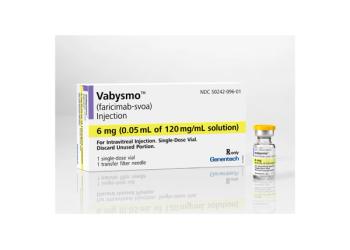
Use against pair of pathways could pave way for standout in stocked eye disease market.
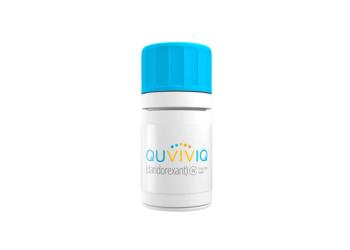
Tapping the potential of new market mindset in insomnia—delivering a quality next day.
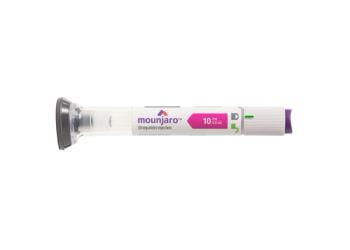
Dual-targeted injection poised to rock GLP-1 field in diabetes—and eventually weight loss.
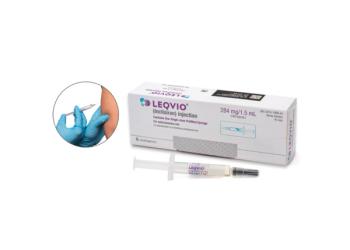
More favorable administration, reimbursement could separate latest PCSK9 entrant.

Failed efforts do not overshadow field’s progress, resolve.

Innovative and continuous remote patient monitoring, along with AI-based predictive analytics, are advancing progress toward replacing the one-size-fits-all, population-driven vaccination model.
The road to precision medicine as a fixture in healthcare delivery is still a journey, but recent advances and new understandings in gene profiling, biomarker development, and AI and data analytics are steadily bringing these therapies closer to the individual patient every day.