





Relyvrio did not significantly alter amyotrophic lateral sclerosis disease progression as measured by the ALSFRS-R total score at Week 48 compared to placebo.

Finding the Right Patients: Q&A With Lisa Ricciardi, CEO of Cognition Therapies, Inc.
Relyvrio did not significantly alter amyotrophic lateral sclerosis disease progression as measured by the ALSFRS-R total score at Week 48 compared to placebo.

In this Pharmaceutical Executive video interview, Murray Aitken, Executive Director of the IQVIA Institute for Human Data Science, discusses the biggest challenges facing the broader adoption of novel cell and gene therapies from IQVIA's Global Trends in R&D 2024 report.

Results from Phase IV RESPOND study indicate a significant reduction in plasma neurofilament light chain (NfL) levels.

Agreement to focus on research, option, and licensing for discovery of dual tumor-associated antigen-targeting antibodies.

Novel formulation of cabotegravir (CAB-ULA) allows for dosing intervals of at least four months.

Rus discusses his company’s work with neuroplastogens and how they differ from similar, psychedelic treatments.
In this Pharmaceutical Executive video interview, Murray Aitken, Executive Director of the IQVIA Institute for Human Data Science, discusses findings from IQVIA's Global Trends in R&D 2024 report and what specific factors are causing this slowdown in clinical trial starts.

Teens to be included in both placebo and open label studies for QRX003, a potential treatment for Netherton syndrome.

Phase III DAYBREAK study found consistent safety with Zeposia in patients with relapsing forms of multiple sclerosis.

Simon discusses a recent survey ICON conducted with professionals in obesity-related clinical research.

IDP-023 is a highly potent natural killer cell platform under evaluation for patients with multiple myeloma and non-Hodgkin lymphoma.

Abrysvo was found to produce durable efficacy against respiratory syncytial virus across two seasons in adults 60 years of age and older.

The trial reportedly showcased significant weight reduction in those treated with VK2735, a dual GLP-1/GIP receptor agonist.

NVL-520 is a novel, brain-penetrant, ROS1-selective tyrosine kinase inhibitor under evaluation for patients with metastatic ROS1-positive non–small cell lung cancer.

Webcasts
Webinar Date/Time: Thursday, March 21, 2024 at 11am EDT | 8am PDT | 3pm GMT | 4pm CET

Trial data support Tevimbra combined with chemotherapy as a potential first-line treatment option for patients with locally advanced, unresectable or metastatic gastric or gastroesophageal junction cancer.
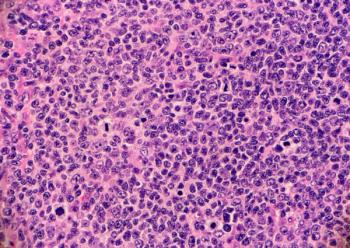
Epkinly (epcoritamab-bysp) is a subcutaneously administered, T-cell engaging, immunoglobulin G1-bispecific antibody under evaluation for aggressive B-cell lymphomas.

In an interview with Pharm Exec Associate Editor Don Tracy, Arun Krishna, VP, Head of US Lung Cancer Franchise, AstraZeneca, talks about the FDA's approval of TAGRISSO with the addition of chemotherapy in adult patients with locally advanced or metastatic epidermal growth factor receptor-mutated non-small cell lung cancer.

In the EAGLE-1 Phase III trial, gepotidacin met the primary efficacy endpoint of non-inferiorty to the current leading treatment for uncomplicated urogenital gonorrhea.

BAY 2927088 is an oral, reversible small molecule tyrosine kinase inhibitor being analyzed for the treatment of unresectable or metastatic non-small cell lung cancer with tumors that have activating HER2 mutations.

Survodutide, a GLP-1 receptor dual agonist with a novel mechanism of action, was the first treatment to produce findings this significant in a Phase II trial of metabolic dysfunction-associated steatohepatitis.

The FDA has assigned a supplemental Biologics License Application submitted by Regeneron and Sanofi for Dupixent in the treatment of COPD with type 2 inflammation with a PDUFA date of June 27, 2024.

SKYTyphoid showed a positive immunogenicity and safety profile compared to other polysaccharide-protein conjugate typhoid vaccines that obtained prequalification certification by the World Health Organization.

Early-stage trial results indicate that NLRP3 inflammasome inhibitors were able to achieve nearly the same weight loss as Wegovy while also reducing inflammatory biomarkers linked to heart disease.
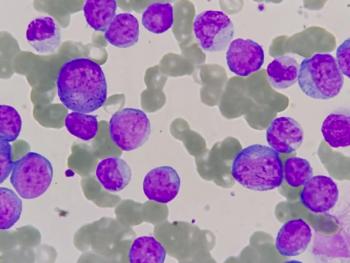
Ocifisertib is a first-in-class, novel PLK4 inhibitor that has demonstrated significant activity as a monotherapy in both solid and liquid tumors.