





Pricing
Latest News
Advertisement
Latest Videos









Advertisement
More News

MFN policies are likely to impact more than pricing, and drug companies may alter drug launch plans in the future.

Drug pricing restrictions are likely to impact drug launches, especially for medications expected to be sought after by Medicare patients.

While they may be linked, the administration’s DTC drug coupon site is not necessarily the entirety of its MFN efforts.

CMS’s 2026 requirement for manufacturers to submit “reasonable assumptions” alongside ASP data formalizes the role of estimation in drug pricing, increasing scrutiny on how ASP is constructed and shifting reporting toward greater transparency and accountability.

A comparison of TrumpRx.gov prices against UK National Health Service pharmacy payouts found that drugs from several major manufacturers remain significantly cheaper under the British system.

Leaning into a future downward pricing environment in pharma.
Joseph Kleiman examines how Trump Rx could pressure pharmacy benefit managers and retailers to increase transparency and affordability, while cautioning that its long-term impact will depend on price consistency.

Buzz Health President Joseph Kleiman discusses how TrumpRx is reshaping drug price transparency, highlighting the benefits of early price visibility for consumers alongside the operational challenges of fluctuating costs, consistency and potential.

David Graziano, head of retail network at GoodRx, says the FDA’s crackdown on non-approved or “copycat” GLP-1 drugs could shift demand toward FDA-approved therapies while increasing the importance of affordable access through retail pharmacies.

Model N’s SVP details the implications of the various deals major pharma companies are striking with the government over drug pricing.

The shifting landscape amid China's biotech rises presents both opportunities and geopolitical challenges for growth strategies.

Clarivate’s Drugs to Watch 2026 report highlights Eli Lilly’s late-stage cardiometabolic candidates orforglipron and retatrutide as the clear standouts in an obesity and diabetes market projected to reach $150 billion by 2035.

As the availability and utilization of ultra-high-cost, long-term specialty products such as GLP-1s and cell and gene therapies grows, HR decision-makers and pharmacy consultants must embrace a more value-oriented mindset where they can.

Will the politically fueled reforms and mandates around drug pricing reduce the complexity of the system?

The entrepreneur urges the Trump administration to eliminate costly FDA generic drug fees, part of a broader push to scale domestic production, address shortages, and challenge PBM-driven pricing models.

The price adjustment to the popular GLP-1 agonist is part of an ongoing effort to expand access to patients with obesity by making medicines more affordable.

Recent policy shifts in these two influential health technology assessment markets signal a broader regional move toward faster, more innovation-friendly access frameworks.

The agreement includes exemptions for UK-produced drugs and medical devices from Section 232 tariffs, but mandates a significant change to the UK's NICE value appraisal framework.

The Trump administration has announced new negotiated Medicare prices for a second wave of blockbuster treatments, yielding an estimated $12 billion in savings for 2027, when compared to Medicare’s 2024 net spending.

As the federal government prepares to release newly negotiated Medicare drug prices, weight-loss blockbusters Ozempic and Wegovy remain in the spotlight, while CMS advances a model to cut Medicaid spending and broaden access to affordable treatments.
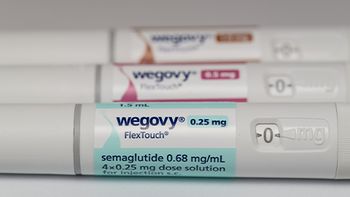
The company is launching new self-pay pricing options, expanded savings programs, and partnerships with telehealth and retail providers. all while its obesity portfolio gains momentum under the FDA’s National Priority Voucher program.
As FDA fast-tracks GLP-1 treatments under its new pilot National Priority Voucher program, WeightWatchers prepares to position itself to compete in the fast-evolving weight-loss drug market driven by affordability and accessibility.

Launching next year, the new CMS Innovation Center initiative—known as the GENEROUS Model—aims to align Medicaid drug prices with global standards, reduce prescription spending, and strengthen the program’s long-term sustainability through fairer state purchasing and transparent pricing rules.
The third entry in our premium webinar series dives into the implications the MFN order might have on wider market.

At HLTH 2025, the entrepreneur announced a collaboration between Cost Plus Drugs and President Trump’s TrumpRx platform aimed at improving transparency, reducing drug costs, and reshaping how Americans access their prescriptions.
Advertisement
Advertisement
Trending on PharmExec
1
EMA Panel Backs Lilly’s Foundayo for Obesity and Type 2 Diabetes in Europe
2
FDA Approves Enspryng (Satralizumab) for Thyroid Eye Disease
3
The Bubble You Don’t Know You’re In: A Three-Part Series on The Medical Benefit Bubble
4
The Unique Considerations Mid-Sized Pharma Companies Face When Making MFN Deals
5