
Feature|Articles|November 23, 2026
Restoring the American Biotech Edge, Part 1: The Erosion
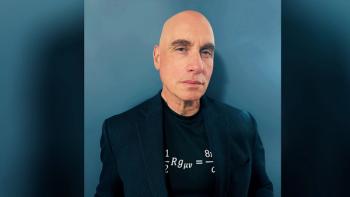
Author(s)Michelle Longmire, MD
Michelle Longmire, MD, CEO of Medable, examines how China’s rapid rise in clinical trial volume and biopharma licensing deals has eroded America’s historical dominance in originating and developing new drugs.
Advertisement
Advertisement
We are on the eve of the greatest era of medical science in human history. Artificial intelligence is compressing target discovery, structure prediction, and molecular design. That compression should unlock the most productive period American biotechnology has ever seen. But science is not medicine. Someone must translate it. Who will lead that race: the country that invented the biotechnology industry, or a new entrant?

Related to this article

Eli Lilly breaks ground on a $3.5 billion manufacturing facility in Pennsylvania to produce next-generation obesity treatments like retatrutide.

Moderna used its 2026 Analyst Day to outline an oncology-driven growth strategy anchored by intismeran and other cancer antigen therapies.

Dr. Joe Geraci of NetraMark explains how AI analysis of clinical trial data can uncover hidden responder subgroups, separate true drug responders from placebo responders, and potentially rescue drug assets that appeared to fail in Phase II.

Novartis narrowed its mid-term sales growth outlook to 5% annually through 2031 at its London investor day, as patent expirations weigh on the Swiss drugmaker.

New deals this week span across ophthalmology to Alzheimer’s, with three new acquisitions and one research collaboration.

FDA Commissioner’s National Priority Voucher program reportedly in limbo for expedited drug reviews.

Moderna lays out an oncology-driven growth plan at its 2026 Analyst Day, Pfizer and Blackstone sign a co-funding deal worth up to $1.5 billion for berobenatide, and Parexel’s Stacy Hurt on how patients’ use of AI is reshaping sponsor communication.
Advertisement
Advertisement