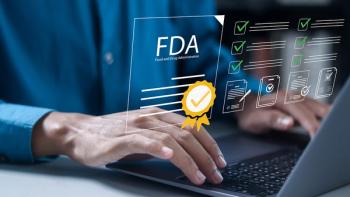
FDA is launching the Rare Disease Framework Initiative, aiming to tailor drug development and review requirements to the realities of small patient populations.
Carelon Research's Mark Cziraky on why the industry's need for deeper, linked data is driving a shift toward trusted research environments.
The pharma and biotech industries run on data, especially on the R&D side. Data is one of the most valuable assets, but it can also cause some of the biggest headaches.
Due to the wide array of sources and collection methods, data sets may not always be easily compatible with others. Adding to the complications, big companies generally view data as proprietary and aren’t comfortable sharing it.
Things are only getting more complex with the rising acceptance of real-world data (RWD). In April of this year,
Pharmaceutical Executive recently spoke with Mark Cziraky, president of Carelon Research. The company just signed a deal with Manifold that allows life sciences researchers and data analysts to analyze Carelon Real World Data (RWD) alongside third-party datasets.
The deal is part of an ever evolving landscape in which data and how its controlled is becoming one of the most important tasks of any company. During his conversation, Cziraky discussed shifts in how RWD is perceived and how companies are viewing it as a different kind of asset.
Pharmaceutical Executive: What is causing the shift in how the industry perceives RWD?
Mark Cziraky: The traditional model of real-world evidence generation involves bringing data into data environments and leveraging it through various analyses — either independently or by working with services organizations like ours within our own data environment.
What we're seeing now is a growing need for more data, deeper data within specific environments, and the ability to bring multiple data assets together to answer increasingly complex questions. A trusted research environment addresses exactly that. It provides a governed model that can expand access to data, enable integration across different data sources, and ultimately give end users the ability to generate richer, more actionable real-world evidence from a more comprehensive and secure foundation.