Innogen Pharmaceuticals has granted Arcera Life Sciences exclusive rights to license and commercialize efsubaglutide alfa, a long-acting GLP-1 receptor agonist, in selected countries across Africa, Eastern Europe, Latin America and the Middle East, the companies announced Nov. 19.1 Innogen keeps the rights in the rest of the world.1
The agreement sends a diabetes medication developed in China toward international markets through a regional partner. “We believe that combining world-class science with entrepreneurial innovation is key to improving patient care,” said Dr. Qinghua Wang, founder, chairman and CEO of Innogen.1
Key Facts
- Drug: Efsubaglutide alfa, long-acting GLP-1 agonist
- Indication: Type 2 diabetes (approved in China)
- Action: Exclusive license; Arcera, select regions
- Payments: $38M upfront and near-term, incl. $15M
- Total potential value: more than $1B
- Efficacy: Monotherapy HbA1c down to 2.2 pts, wk 24
- Safety: No safety data in release
- Status: Approved in mainland China and Macao
What are the financial terms of the deal?
Innogen will receive $38 million in upfront and near-term milestone payments, including a non-refundable $15 million upfront payment.1 The company is also eligible for sales milestones and tiered royalties of up to double-digit percentages of annual net sales.1
The companies put total potential deal value above $1 billion.1 That figure includes payments that depend on future sales, so only the upfront and near-term sums are fixed. The release does not name the individual countries covered.
How does efsubaglutide alfa work, and where is it approved?
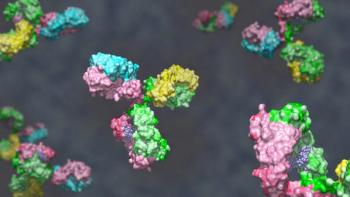
Efsubaglutide alfa is a fusion protein that joins a human GLP-1 analogue to an immunoglobulin G Fc fragment, a design intended to extend how long the drug stays active. Innogen reports an average half-life of up to 280 hours across studies.1
China’s National Medical Products Administration approved the injection for blood glucose control in adults with type 2 diabetes.2 According to Innogen, the drug is approved for type 2 diabetes treatment in mainland China and Macao, and it appears on China’s National Reimbursement Drug List (2025 version).1
What clinical data support the drug?
The release cites monotherapy reductions in glycated hemoglobin (HbA1c) of 1.1 percentage points at four weeks and up to 2.2 points at Week 24.1 A separate randomized, double-blind, placebo-controlled phase 2b/3 trial, known as SUPER 2 and published in Nature Communications in 2026, tested the drug as an add-on to metformin and reported improved glycemic control.3