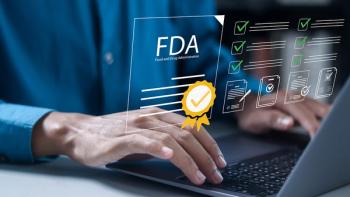
FDA is launching the Rare Disease Framework Initiative, aiming to tailor drug development and review requirements to the realities of small patient populations.
As LiveWorld marks its 30th anniversary and introduces LiveInsight AI™, Chairman and CEO Peter Friedman discusses why human-led, AI-powered intelligence systems are essential for pharma organizations navigating hallucination risk and regulatory scrutiny. He explains how pairing curated data, tailored AI, and human expertise turns raw information into decision-grade insight. Friedman also outlines what will separate pharma organizations that thrive in this new "intelligence economy" from those that fall behind.
Pharmaceutical Executive spoke with Peter Friedman, Chairman and CEO of LiveWorld, as the company marks its 30th anniversary and introduces LiveInsight AI™, a human-led, AI-powered intelligence system built for pharma and healthcare communications. Drawing on more than three decades of experience spanning Apple and LiveWorld, Friedman traces how each wave of new technology, from the cotton gin to personal computing, expanded opportunity rather than eliminating it, and argues AI is following the same pattern in what he calls the "intelligence economy."
Friedman addresses the hallucination, compliance, and trust risks that make AI adoption especially fraught in regulated healthcare environments, including the added scrutiny pharma companies face when inaccurate information reaches patients. He details how LiveInsight AI is engineered with patent-pending mechanisms designed to prevent AI from filling in missing information with fabricated data, and describes the system’s "Background Intelligence" capability, which autonomously monitors competitors and emerging patient conversations to surface insights brand teams didn’t know to look for. Throughout, he emphasizes that human judgment, not automation alone, is what turns raw data into decision-grade intelligence.
The conversation is geared toward pharma marketers, healthcare communicators, and brand teams evaluating how to responsibly bring AI into regulated workflows. Readers and viewers will come away with a clearer picture of where AI adoption in pharma can go wrong, what a human-led approach to intelligence systems looks like in practice, and what Friedman believes will separate organizations that thrive in the intelligence economy from those that fall behind.