AI does not end uncertainty in pharma strategy. Its value depends on how well leaders blend it with experience and evidence while keeping judgment human.
EVERSANA’s president of Patient Services discusses using technology to bring a personalized approach to change care.
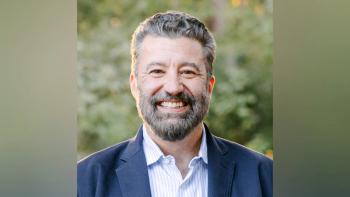
After starting his career as a pharmacist, Brian Laird decided to focus on the business-side of healthcare. He recently joined EVERSANA as its president of Patient Services, where uses his experience and knowledge of technology to improve patient care models.
Pharmaceutical Executive: What does it take to bring therapies to market while keeping patients in mind?
Brian Laird: Bringing therapies and medication to market is complex. It requires an integrated, end‑to‑end approach that focuses on eliminating barriers across the entire treatment journey. We believe it’s important to combine data, digital solutions, specialty pharmacy services, hub support, affordability programs, and clinical expertise into one seamless ecosystem designed around patient needs. This design, when combined with leading distribution and 3PL solutions, provides a more comprehensive model to ensure the drug and experience is managed from the manufacturer directly to the patient.
Our model accelerates time to therapy by streamlining benefits verification, prior authorization, distribution, and onboarding. For example, our integrated specialty pharmacy and patient services infrastructure reduces time to therapy by several days and provides real‑time visibility into coverage, costs, and delivery timelines—removing guesswork and stress for patients and caregivers. High‑touch support from coordinated care teams ensures each patient receives personalized education, proactive outreach, and therapy‑specific guidance, improving adherence and outcomes.
Ultimately, keeping patients in mind means designing every process with empathy, speed, and clarity.
PE: What trends are driving specialty pharmacy expansion?
Laird: Technology has been a major accelerant in specialty pharmacy growth, making it possible to scale highly complex programs while improving speed and accuracy. When you layer digital platforms and telehealth, specialty pharmacies can engage patients remotely, monitor therapy, and intervene earlier, which directly improves adherence and outcomes. At the same time, the drugs themselves are driving differentiation. Many specialty therapies require sophisticated cold-chain logistics, tight inventory controls, and end-to-end visibility that traditional retail pharmacies simply aren’t built to support. On top of that, reimbursement and benefit design has become increasingly complex. New direct pricing models, along with affordability pressures, are creating new access channels and manufacturer partnerships for patients. Add evolving PBM dynamics and regulatory scrutiny, and channel strategy becomes even more critical.
Finally, patient expectations have shifted. Patients now expect quick answers, easy delivery, and receipt of medication, proactive outreach, and personalized support. Specialty pharmacies (especially those with other advanced digital and channel capabilities) are uniquely positioned to meet those expectations while managing complexity for payers, manufacturers, and patients alike.
PE: What new technologies are impacting patient service delivery?
Laird: New technologies continue to transform patient service delivery by making care more proactive, personalized, and efficient. AI and predictive analytics help streamline prior authorizations, identify patients at risk of non-adherence, and guide therapy decisions. Digital engagement tools like mobile apps, portals, and automated reminders keep patients informed and on track. Most importantly, these tools are now bringing critical decisions to patients, including cost options and guidance for remaining adherent to their therapies.
Connected devices and remote monitoring provide real-time data and are being integrated with digital solutions and portals that support the patient and the health care provider. Together, these technologies allow specialty pharmacies and providers to scale their complex services, enhance outcomes, and meet growing patient expectations for convenience and support.
PE: How important is it to bring a personalized approach to care?
Laird: It’s critical, especially because it’s what patients expect. The days of cookie cutter and one-size-therapy fits every patient are gone.
Today, specialty pharmacies must leverage patient insights, technology, and highly trained teams to meet and ultimately exceed patient expectations. Those that don’t will be left behind.Most importantly, it’s about having choice.Choice in pricing options, choice in how and when you receive care.We have long talked about personalized care, but that typically meant a one-way street of giving patients what we think they need.This is about putting decisions in their hands and allowing them to be a part of the decision-making process to improve access, experience, and health outcomes.
PE: How important is it to raise awareness for rare diseases?
Laird: Awareness is foundational to improving the rare disease journey. Most rare disease patients face long diagnostic odysseys, often 7–10 years, and more than half remain undiagnosed. Increasing awareness among clinicians, policymakers, caregivers, and the general public accelerates diagnosis, expands research, and improves access to emerging therapies.
At EVERSANA, we work across more than 30 rare disease brands and partner with advocacy groups, medical leaders, and organizations to elevate patient stories and deepen empathy. Our programs help drive earlier identification, better care coordination, and stronger community support for families navigating incredibly complex conditions.
Raising awareness is not simply a communications effort. Our job is to do the critical work of being there for patients when they need it. I couldn’t be more proud of the impact our team makes.