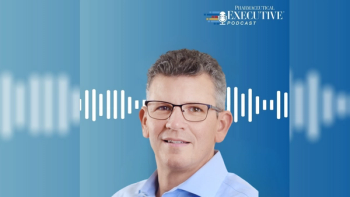
Trialbee CEO Matt Walz explores the current impact of AI in delivering practical gains in clinical development and reflects on its future potential, where enrollment predictability may be the biggest prize of all.
FDA approves Imaavy as the first treatment for warm autoimmune hemolytic anemia, McKesson agrees to acquire Precision Medicine Group as Lundbeck partners with Eversana on AI-driven commercialization, and Adam Bartley examines how integrated GMP operating models are reshaping outsourced manufacturing.
Welcome to Pharmaceutical Executive Daily, your quick briefing on the top news shaping the pharmaceutical and life sciences industry.
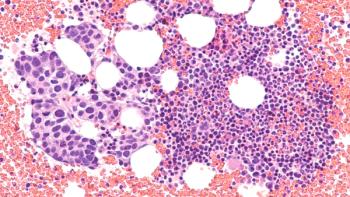
In today's Pharmaceutical Executive Daily, FDA approves Johnson & Johnson's Imaavy as the first therapy specifically indicated for warm autoimmune hemolytic anemia in patients 12 and older, a pharma deals roundup covers McKesson's approximately $2.25 billion agreement to acquire Precision Medicine Group and Lundbeck's new AI-powered commercialization partnership with Eversana, and Pharmaceutical Executive examines how integrated GMP operating models are reshaping outsourced manufacturing for emerging biopharma companies.
FDA
Two commercialization
Finally, Adam Bartley
Thanks for listening to Pharmaceutical Executive Daily. For more updates and in-depth analysis, visit PharmExec.com.