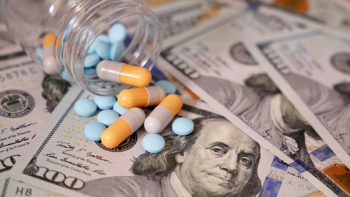
The Treasury Department is proposing rules to add biotechnology to its Outbound Investment Security Program under the COINS Act.
Complete this survey to illustrate how new tariffs and trade policy have impacted you and your organization.
Bio/pharmaceutical manufacturers are increasingly strained by evolving trade policies and tariff regimes, explained Jason Waite, international trade lead at Alston & Bird, in our
Recent data from
“Adding to the confusion, President Trump has also announced wider tariffs against specific countries,” wrote Mike Hollan in
For those operating in the bio/pharmaceutical sector, tariffs have disrupted not only finished product shipments but also the flow of active pharmaceutical ingredients and raw materials critical for production, explains Waite. Regulatory complexities and inconsistent enforcement further compound these challenges, complicating long-term planning for compliance, cost forecasting, and sourcing.
The heightened sensitivity to trade policy in the sector underscores a broader concern: that global pharmaceutical manufacturing now depends on more than regulatory approval and technical quality; it also hinges on geopolitical stability and predictability in trade relationships.
Help us get a better picture of how new tariffs and trade policy have impacted you and your organization. Check back in a couple weeks to see where you stand among your peers! All who complete the survey will be entered for a chance to win a $25 Amazon gift card.
NO PURCHASE NECESSARY. Void where prohibited. See Official Rules at