

Experts convened for a panel discussing how tariffs and MFN policies are impacting drug pricing and what regulatory hurdles they face ahead of the midterms later this year.
Experts convened for a panel discussing how tariffs and MFN policies are impacting drug pricing and what regulatory hurdles they face ahead of the midterms later this year.

Tommy Bramley, SVP of global consulting at Cencora, discusses how broadening acceptance of RWE has a broad impact on launch strategies.

In today's Pharmaceutical Executive Daily, Eli Lilly announces a definitive agreement to acquire Ajax Therapeutics for up to $2.3 billion, adding a first-in-class JAK2 inhibitor for blood cancers to its expanding oncology pipeline, the FDA approves a supplemental application for Johnson and Johnson's Caplyta backed by Phase III data showing a 63% reduction in relapse risk in adults with schizophrenia, and Pharmaceutical Executive speaks with Maher Masoud, CEO of MaxCyte, on moving cell and gene therapies toward commercial scale.

FDA approves Caplyta for relapse prevention in schizophrenia, adding long-term Phase III data showing a 63% reduction in relapse risk and reinforcing its role in sustained disease management.

Eli Lilly to acquire Ajax Therapeutics in up to $2.3B deal, adding a first-in-class Type II JAK2 inhibitor to strengthen its blood cancer pipeline.

MaxCyte’s CEO explains the various ways CGT is impacted by new technologies and methods of treatment delivery.

Dr. Stella Vnook discusses how pricing transparency and VBC might have a more positive impact than MFN and other pricing regulations.

Accurate and reliable data is essential to provide leaders with the right information to power these systems.

FDA granted Compass Pathways with a rolling review for COMP360, a proprietary formulation of synthetic psilocybin, in treatment-resistant depression.
In today’s Pharmaceutical Executive Daily, the FDA issues a complete response letter to AbbVie for a biologics license application, Regeneron moves to lower patient costs tied to its newly approved gene therapy, and the FDA approves Otarmeni for OTOF-related hearing loss.

FDA issues Complete Response Letter to AbbVie’s trenibotulinumtoxinE, delaying a potential first-in-class aesthetic neurotoxin over manufacturing questions despite no identified safety or efficacy concerns.

Regeneron announces agreement with the U.S. Government to set drug prices similarly to foreign prices, along with providing a new gene therapy free to eligible U.S. patients.

Traditional randomized trials are often impractical for treatments in the rare and ultra rare disease space.

Maher Masoud, CEO of MaxCyte, explains how the current environment is impacting the entrepreneurial spirit in the pharmaceutical industry.
In this episode, Ron Lanton examines how geography is becoming a central strategic variable in healthcare, as policy, trade dynamics, and infrastructure increasingly dictate where innovation is developed, manufactured, and commercialized.

Early clinical data from the CHORD trial supported accelerated approval of the first gene therapy targeting OTOF-related hearing loss under the FDA Commissioner’s National Priority Voucher program.
In today’s Pharmaceutical Executive Daily, the FDA expands the use of Tzield to young children to delay the onset of stage 3 type 1 diabetes, Dupixent receives an expanded pediatric indication in chronic spontaneous urticaria, and AbbVie announces a $195 million investment to build a new manufacturing campus in North Carolina.

FDA expands its approval of Tzield to children as young as one with stage 2 type 1 diabetes, extending the first disease-modifying therapy into an earlier, high-risk population to delay progression to insulin-dependent disease.
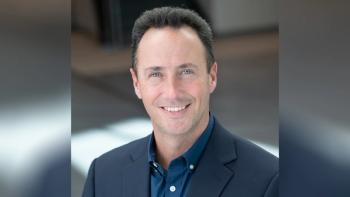
EVERSANA’s president discusses the evolving role of the Asembia conference, emerging commercialization trends, and what’s top of mind for pharma leaders this year.

FDA expands Dupixent approval to children aged 2–11 with chronic spontaneous urticaria, marking the first biologic option for this population and extending its reach across type 2 inflammatory diseases.

AbbVie has announced a $1.4 billion investment to build a new pharmaceutical manufacturing campus in North Carolina, expanding its U.S. footprint with a focus on advanced sterile injectable production.

MaxCyte CEO Maher Masoud discusses how new treatment methods are providing greater control of the therapy’s safety profile.
In today’s Pharmaceutical Executive Daily, the FDA approves a new treatment for HIV-1 infection in adults, Amazon One Medical launches a GLP-1 weight management program, and a new report highlights which top-selling drugs are most at risk of supply shortages.
FDA has approved Merck’s Idvynso, introducing a differentiated, two-drug, non-INSTI, tenofovir-free HIV regimen that maintains viral suppression while offering a potentially more tolerable, simplified option for long-term patient management.

Amazon has launched a new GLP-1 weight management program through its One Medical network, integrating obesity treatment into primary care while expanding access to both telehealth services and a range of branded medications.

Enabling highly individualized treatment approaches that align with each patient’s unique physiology, goals, and tolerability, compounding can have a significant impact.

Supply chain chokepoints are converging to expose deep structural vulnerabilities in the U.S. drug supply, with new data showing that even medicines not currently in shortage may be one disruption away from crisis.
In today’s Pharmaceutical Executive Daily, UnitedHealth raises its full-year profit forecast following stronger-than-expected first-quarter results, Pfizer works to reshape its leadership narrative as it approaches a major patent cliff, and a new industry perspective highlights why scaling artificial intelligence in pharma requires more than just advanced algorithms.

Organizations must build a strong foundation that anchors AI deployments in critical areas.

Maher Masoud, CEO of MaxCyte, discusses the need for developers to come together with platforms.