In today's Pharmaceutical Executive Daily, FDA approves Merck's Welireg plus Eisai's Lenvima for adults with advanced clear cell renal cell carcinoma, a pharma platform deal roundup covers Novo Nordisk's collaboration with Nanexa, Genentech's deal with Earendil Labs, and Roche's agreement with Atavistik Bio, worth more than $4.7 billion combined, and Ron Lanton examines how Congress and the states are carving out new paths to regulate pharmacy benefit managers six years after the Rutledge decision.
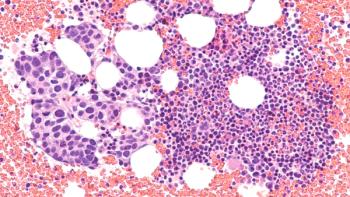
FDA has approved Merck's Welireg in combination with Eisai's Lenvima for adults with advanced clear cell renal cell carcinoma who have progressed on a PD-1 or PD-L1 inhibitor, marking the first approved pairing of a HIF-2 alpha inhibitor with a tyrosine kinase inhibitor in this setting. The approval rests on the Phase III Litespark-011 trial of 747 patients, in which the combination cut the risk of disease progression or death by 26% versus cabozantinib, extending median progression-free survival to 14.6 months versus 10.6 months and lifting objective response rate to 53% versus 40%.
Three drug-discovery platform deals have closed this week, with combined potential value topping $4.7 billion. Novo Nordisk is partnering with Nanexa in a deal worth more than $1.33 billion to apply Nanexa's Pharmashell atomic layer deposition delivery platform to as many as five peptide programs in obesity, type 2 diabetes, and other cardiometabolic conditions. Separately, Genentech is teaming with Earendil Labs, worth more than $1.5 billion, to apply Earendil's AI-driven protein design platform to multiple bispecific antibody oncology programs, and Roche is partnering with Atavistik Bio in a deal worth more than $1.9 billion to apply its Amps allosteric drug discovery platform against multiple small molecule targets in cardiovascular, renal, and metabolic disease.
Finally, Ron Lanton, of Lanton, Lanton & Sosa Law, examines how Congress and the states have carved out clearer paths to regulate pharmacy benefit managers in the six years since the Supreme Court's Rutledge v. Pharmaceutical Care Management Association decision, even as ERISA preemption continues to complicate the picture. Lanton points to the Consolidated Appropriations Act of 2026's new PBM reporting and rebate pass-through requirements and to Tennessee's FAIR Rx Act, which bars entities from owning pharmacies, insurers, and PBMs at once, as signs the fight is shifting from regulating PBM conduct to restricting who can own them.
Thanks for listening to Pharmaceutical Executive Daily. For more updates and in-depth analysis, visit PharmExec.com.