Emerging Pharma Leaders nominations are now open!
Do you know someone who can make tough decisions that continue to face manufacturers? Are they destined to change the future of pharma?
Nominate a colleague with impressive leadership and career intentions – even yourself! – for the Pharmaceutical Executive 2026 Emerging Pharma Leaders Awards.
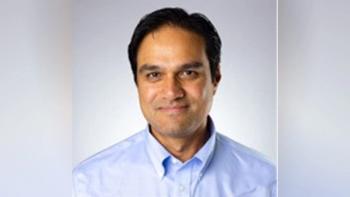
Nisith Rastogi, founder and CEO of Locus, spoke with Pharmaceutical Executive about these issues and the solutions available for pharma companies.
Pharmaceutical Executive: What are the “last mile issues” impacting pharma?
Nishith Rastogi: Chain of custody and managing cold chain, these are some of the critical aspects that make the pharma last mile even more complicated than grocery/perishables, which is usually considered one of the more complicated last miles.
When you talk about pharmaceuticals specifically, and any movement involving either equipment or drugs or patient samples, two critical aspects get added. One is chain of custody, that at what point, what all individuals have ever handled or touched the parcel, it was in their custody who was responsible for the safeguarding and the integrity.
The second piece is cold chain. Both frozen and chill, where either you are working at sub minus four degrees Celsius, or you're working between minus four to plus eight. At this point, the questions is whether the cold chain was maintained, and secondly, whether we know it was maintained. Do we have the right data? Do you have the right IoT sensors? And both of these components typically make the pharma last mile unique to the industry.
PE: Why do most shippers and 3PLs not possess the right technology to move from forecasting to true agility?
Rastogi: First, making changes in the pharma industry in operations is a slightly more expensive process because of larger compliances and regulatory pieces involved. But a larger part of that segment is lacking technology, which often mirrors business constraints. Often when the industry decides that this is how they're operating as a business model, it’s more of a constraint put on by the technology they are using than the choice.
Now, what happens is that the industry increases. You know, industries have demands from the end consumer that, in turn, gets translated for the 3PLs, and that change is pushed through. But any 3PL that’s proactive about implementing planning systems which don't operate only on the zip code but at the level of detail that includes latitude, longitude, real time traffic, and other on-ground realities which impact a one hour last mile dispatch, then they can plan accurately enough that they can actually move into a more agile, reactive fashion, rather than being stuck with routes that were created either last quarter, last month, or last week but are not valid today. This is either due to the changing demand or due to the changing weather or traffic conditions.
PE: How can pharma companies navigate delivery disturbances?
Rastogi: They begin by monitoring the temperature at each point, but also forecasting for failures of devices. Often, what we have seen is, once the package is in transit, doing a man in the middle intercept is both complicated and often not feasible. Hence, it's critical that at the point of dispatch, you have a healthy scorecard of what equipment you are using, what transport vehicle you are using, the service history, what has been the failure rates in past and today. Using better systems which use multi variable predictions or AI in those areas, you can actually get a pretty accurate score card of the vehicle and the equipment in use before dispatch, and that would eliminate a large part of the problems. Then, of course, in case there is a disturbance in the field, then both the ability to detect that disturbance quickly, as well as the ability to dispatch an alternate vehicle becomes critical.
PE: How can they coordinatie complex in-home medical device deliveries
Rastogi: This is what is referred to as tandem deliveries in the market. This is where you have white glove appointment deliveries, where with you need to have a technician to explain the usage, or handle heavy electrical or plumbing needs. In some cases, you need a third-party technician also on the site. At the same point, what you want to do is ensure all of them are arriving together.