AI can make clinical trials smarter and faster, but lived patient experience remains irreplaceable in guiding research toward optimal results.
With 60% of Americans using AI health tools, patient advocates are encouraging collaborative use of AI alongside healthcare teams for better outcomes.
The narrative forming around AI in the pharma and biotech industries is less focused on if the technology should be used, it’s when it should be used. The powerful technology has the capability to be implemented in a variety of workflows, but that doesn’t always mean that it’s being used in a way that gets the best results.
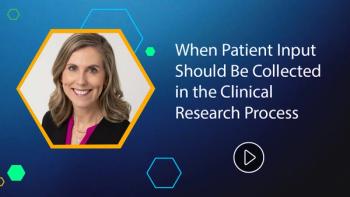
Pharmaceutical Executive spoke with Stacy Hurt, chief patient officer at Parexel, about her views on AI-usage in clinical research. This is an area where she sees tremendous potential for the advanced tech, but she also sees a need to ensure that patients are being the given to provide input in the process as well.
When it’s not used properly, AI may create situations where patients are facing improperly designed research scenarios or struggling with poor communication. However, she also argues that when properly implemented, the AI can allow for a greater level of understanding of the patients’ viewpoints and allow not just for easier communication, but deeper communication as well.
Pharmaceutical Executive: How does patients' AI usage impact how sponsors communicate with them?
Stacy Hurt: We know that right now, on average, about 60% of Americans are using AI-related tools such as ChatGPT for their own health benefits. In my advocacy work, I actually encourage patients to take their diagnosis and plan of care and put it into ChatGPT — but I also encourage them to bring that to their physician’s office and work with their healthcare professional team as a collaboration for the best possible treatment plan. AI is alive and well in patients’ hands, and I think that’s what we’re going for: empowering patients. We want patients using these tools to improve their care, to have an empowered dialogue with their healthcare professional team, and to have the latest research at their fingertips.