Trialbee CEO Matt Walz explores the current impact of AI in delivering practical gains in clinical development and reflects on its future potential, where enrollment predictability may be the biggest prize of all.
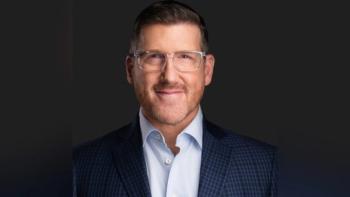
Dr. Richard Graham, chairman and co-founder of TruTechnologies, discusses the importance of global clinical trials while also being a center for these trials.
FDA’s latest initiative to improve the drug approval process is
This effort comes as the global clinical trial space is becoming more competitive, and many companies are moving their trials to other countries, such as China and Australia. The current administration hopes to solve this issue by simplifying the entire trial process.
According to the initial announcement, FDA hopes that this initiative will reduce clinical trials by six-to-12 months, which would hopefully bring more trials back to the United States.
Pharmaceutical Executive spoke with Dr. Richard Graham, chairman and co-founder of TruTechnologies about FDA’s new program and how he expects it to impact clinical trials. He also discusses why trials are actually leaving the United States and where he sees the true bottlenecks in FDA’s approval process.
Pharmaceutical Executive: What would be the most beneficial situation for the United States when it comes to clinical trials?
Dr. Richard Graham: Clinical trials should always be conducted around the world, especially in later-stage development, because you're developing a drug that will be used across different patient populations. We have meaningful genetic, cultural, and ethnic differences that affect how a drug performs, whether that's pharmacokinetics, efficacy, or safety. Global trials are necessary.
But who holds the IND? I would love to see the United States do better. By better, I mean generating higher-quality data, faster, the way we're seeing in Australia and China, but doing it in a thoughtful and systematic way.
What we have instead is a series of one-off initiatives. Today it's TrialBlazer. Three months ago, when we spoke, it was the real-time clinical trial initiative. I keep seeing bits and pieces without anyone stopping to ask the bigger question: with nine or ten major stakeholders who all need to be rowing in the same direction, why aren't we on the same boat? That alignment simply isn't happening.