

Feature|Videos|July 7, 2025
Harmonizing the Payer Perspective with Real-World Evidence
Expert panelists emphasize the importance of trusted data sources, strong payer partnerships, economic incentives, and AI-driven insights to address skepticism and support broader reimbursement and access strategies as payers balance real-world evidence with head-to-head clinical trials in their decision-making.
Advertisement
Episodes in this series
The trust gap between real-world evidence (RWE)/data and randomized controlled trials is growing. This episode examines when each evidence type is appropriate, how to reduce perceived bias in RWE, and how payer context varies by geography and structure. Insights from academic and payer partnerships show how joint research can establish credibility and unlock market access.
Key discussion topics include:
- Strategies for reducing payer skepticism about real-world data.
- The influence of health system structure on RWE acceptance.
- Use cases for RWE in confirmatory versus primary evidence roles.
Advertisement
Related to this article

Regeneron's Livsayis (cemdisiran) gains FDA approval for adults with antibody-positive generalized myasthenia gravis, dosed four times a year.
Novartis narrowed its mid-term sales growth outlook to 5% annually through 2031 at its London investor day, as patent expirations weigh on the Swiss drugmaker.
DISCO Pharmaceuticals gets $40M upfront from AbbVie and could earn up to $2.5B in milestones to develop AND-gated bispecifics for solid tumors.

As specialty drug complexity grows, agentic technology puts the right access, adherence, and affordability resources at the provider’s fingertips at prescribing.

J&J’s separations of Kenvue and DePuy Synthes test whether Innovative Medicine and MedTech create more value together than apart.
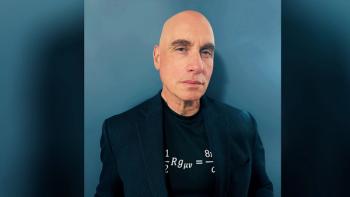
Dr. Joe Geraci of NetraMark explains how AI analysis of clinical trial data can uncover hidden responder subgroups, separate true drug responders from placebo responders, and potentially rescue drug assets that appeared to fail in Phase II.

Parexel’s Stacy Hurt explains why AI can speed up clinical research but can’t replace the lived experience of patients.

The month's biggest moves — from Pfizer and Blackstone's obesity co-funding agreement to Lilly's $3.5B Pennsylvania groundbreaking — answered in plain language.
Advertisement
Advertisement
Trending on PharmExec
1
Johnson & Johnson's Strategic Shift: Why Diversification Is Giving Way to Focus
2
FDA Approves Livsayis, Regeneron's First siRNA Therapy for Myasthenia Gravis
3
DISCO, AbbVie Sign AND-Gated Bispecific Deal Worth Up to $2.5B
4
Novartis Trims Growth Target at Annual Management Day, Shares Slide
5