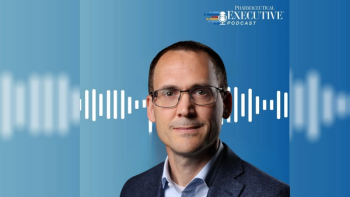
Dave Maraldo, Ph.D., president of manufacturing at Merck, explains how flexible capacity, earlier input from manufacturing in R&D, and digital tools are helping the organization keep up with a faster, more varied portfolio.
The takeaway leadership message from our May issue is clear: Future progress will come from those willing to rethink the machinery — not just the medicine.
If there’s a common thread running through our CEO interview coverage in Pharmaceutical Executive’s May issue, it might be this: The next phase of biopharma leadership will likely be defined by how boldly life sciences companies rethink the systems behind innovation.
In our
On a different front, Angela Schwab, CEO of Trialynx, zeroes in on another system overdue for reinvention: clinical trial design. Her message in
Both these perspectives point to a broader shift that we’ve discussed here before. Innovation is no longer just about new molecules. It’s about redesigning the pathways that bring them to life.
Thanks for reading.
Mike Hennessy Jr. is Chairman and CEO of MJH Life Sciences®
5 months ago
John Oyler: Rewiring Operations in Oncology6 months ago
Pharmaceutical Risks in the Strait of Hormuz