
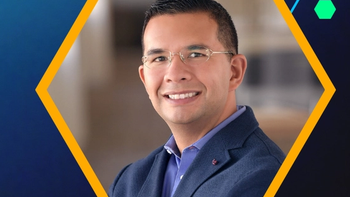
Pedro Valencia, VP, asset strategy leadership, oncology, outlines how unmet need, treatment stagnation, and pipeline innovation shape the company’s approach to solid tumor oncology following key data presented at ASCO 2025.
Pedro Valencia, VP, asset strategy leadership, oncology, outlines how unmet need, treatment stagnation, and pipeline innovation shape the company’s approach to solid tumor oncology following key data presented at ASCO 2025.
Ron Lanton, Partner, Lanton Law, discusses the constitutional and statutory challenges facing the President’s use of executive orders to implement international drug pricing models such as the Most Favored Nation, highlighting the ongoing debate over separation of powers and congressional authority.
Ron Lanton, Partner, Lanton Law, outlines how the MFN executive order may face significant legal challenges from the pharmaceutical industry, citing concerns over due process, intellectual property, and regulatory overreach.

Leandro Boer, MD, PhD, VP, US general medicines, Amgen, discusses the company's nationwide push to reduce cardiovascular risk through free LDL-C testing, public-private partnerships, and implementation science initiatives—all aimed at cutting CV events in half by 2030.

Leandro Boer, MD, PhD, VP, US general medicines, Amgen, explains why seamless communication and treatment continuity across primary care, cardiology, and rehabilitation are critical to improving outcomes and preventing care gaps for cardiovascular patients.

Leandro Boer, MD, PhD, VP, US general medicines, Amgen, discusses how new findings highlight the need for simplified decision-making in lipid management and a stronger focus on achieving LDL-C targets to help prevent heart attacks and strokes.

Leandro Boer, MD, PhD, VP, US general medicines, Amgen, explains why many high-risk Americans aged 50+ remain undertreated for cardiovascular disease, citing insurance gaps, risk misperceptions, and complex guidelines.

Leandro Boer, MD, PhD, VP, US general medicines, Amgen, discusses new real-world data showing that most high-risk cardiovascular patients in the US are not starting or intensifying lipid-lowering therapy—and few are achieving guideline-recommended LDL-C targets.
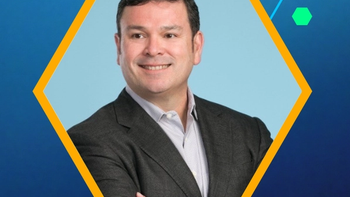
Armando Castro, partner, emerging companies, venture capital, Lowenstein Sandler, explains how regulatory, patent, and reimbursement challenges are slowing venture investment in GLP-1 and psychedelic addiction therapies.

Doug Long, VP, industry relations, IQVIA, discusses how soaring demand for GLP-1 therapies is driving reimbursement challenges, shifting distribution models, and expanding the drugs’ potential into new therapeutic areas.

Will Pih, co-founder, Two Labs, explains how ongoing regulatory uncertainty is slowing clinical trial activity and hiring across the industry, prompting greater reliance on specialty pharmacy services and outsourced support.
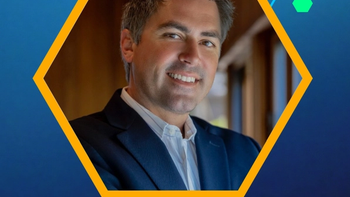
Blake Powers, CEO, medigi, explains how digital tools, AI, and automation are streamlining access to biosimilars and cell and gene therapies, signaling a shift toward more tech-enabled, patient-centric care.
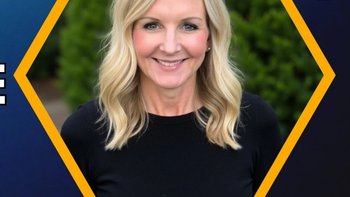
Fran Gregory, VP, emerging therapies, Cardinal Health, emphasizes the need for long-term outcomes tracking and robust health economic modeling to demonstrate the sustained value of advanced therapies and support future payment strategies.

Chip Parkinson, CEO, GiftHealth, explains how AI-powered data integration is bringing new hope to patients by revealing hidden access barriers, streamlining treatment pathways, and challenging outdated utilization management practices.

Tiara Green, president, Accessia Health, explains how empowering trusted local leaders and involving communities early are key to closing persistent gaps in preventive care and healthcare access.

Will Pih, co-founder, Two Labs, explains how specialty pharmacies and manufacturers are adapting to financial pressures in rare disease care through patient-centric services, hub innovation, and hybrid technology models.
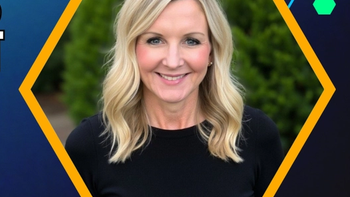
Fran Gregory, VP, emerging therapies, Cardinal Health, discusses the evolving cell and gene therapy landscape, highlighting pipeline growth, cost challenges, and emerging therapeutic areas beyond oncology and hematology.

Doug Long, VP, industry relations, IQVIA, examines shifting pharmaceutical trends, including specialty growth, biosimilar gaps, reimbursement pressure from GLP-1s, and persistent access challenges.

Chip Parkinson, CEO, GiftHealth, explains how AI, real-time data, and closer payer collaboration are driving the next phase of growth and efficiency in specialty pharmacy.

Tiara Green, president, Accessia Health, highlights key themes from the upcoming discussion on how health equity, literacy, and social determinants are reshaping patient care—especially for those with chronic and rare conditions.
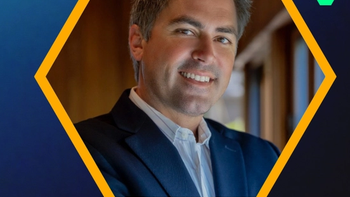
Blake Powers, CEO, Medigi, discusses how face-to-face collaboration and streamlined commercialization strategies are helping life sciences companies deliver therapies more efficiently to patients.

Arda Ural discusses the possible impact on how companies plan for growth based on the impact of the tariffs.

Arda Ural discusses the different ways that companies may change the ways they allocate resources in the current geopolitical climate.
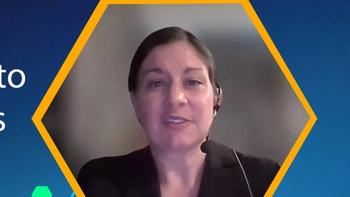
Lynlee Brown, partner at EY, discusses the impacts that the tariffs have across various regions.
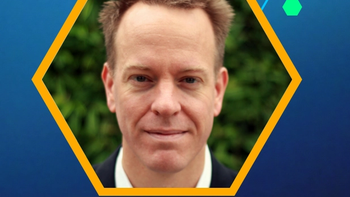
Chris Springate, CEO, ARC Medical, discusses how postoperative adhesions continue to cause chronic pain, infertility, and life-threatening complications—despite advances in surgical techniques and often going undiagnosed for years.

Arda Ural explains how the tariffs will impact profit margins and potentially cause drug shortages.
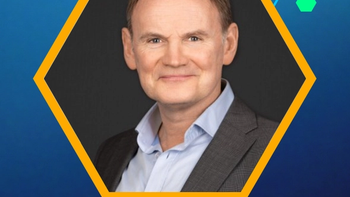
Nigel McCracken, chief operating officer, Virax Biolabs, discusses the expansion of its ViraxImmune platform into areas such as transplant monitoring, vaccine efficacy, latent virus reactivation, and CAR T cell therapy.
Lynlee Brown discusses the decisions that companies must make to adjust to the tariffs while also ensuring the ongoing innovation continues.

Ted Sweetser discusses turning information into usable datasets and pulling insights from them.
Nigel McCracken, chief operating officer, Virax Biolabs explains how the ViraxImmune PAIS assay uses T cell responses and cytokine levels to detect immune dysfunction and identify viral triggers of chronic inflammation.