

WHO identifies experimental therapies from Mapp Biopharmaceutical, Regeneron, and Gilead as leading candidates for the Bundibugyo strain of Ebola virus disease, as the agency pushes for urgent clinical trials amid a growing outbreak.
WHO identifies experimental therapies from Mapp Biopharmaceutical, Regeneron, and Gilead as leading candidates for the Bundibugyo strain of Ebola virus disease, as the agency pushes for urgent clinical trials amid a growing outbreak.

Research published this week highlights tirzepatide outperforming other GLP-1 therapies in early type 2 diabetes treatment while separate studies identified autoantibodies as a likely biological driver behind persistent neurological symptoms in some long Covid patients.
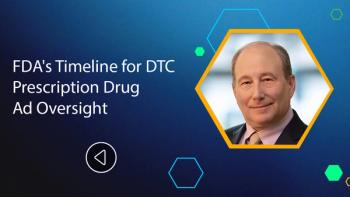
Former chief counsel for FDA Dan Troy explains why there is no firm timeline for regulatory reform or update at FDA for DTC pharma advertisements.
In today’s Pharmaceutical Executive Daily, an FDA advisory committee weighs recommendations for the composition of the 2026–2027 Covid-19 vaccines, CVS Health restores coverage for Eli Lilly’s Zepbound while adding the company’s newly approved obesity pill Foundayo, and experts discuss how treatment expectations are evolving in lupus care.
CVS Health is restoring coverage of Eli Lilly’s Zepbound and adding oral obesity drug Foundayo to its formulary, signaling shifting payer dynamics as lower-cost GLP-1 therapies expand access for patients.

FDA advisors are set to meet this week to determine whether Covid-19 vaccines should be updated to target the emerging XFG variant, a decision that could shape the composition of the 2026–2027 immunization season amid ongoing viral evolution.
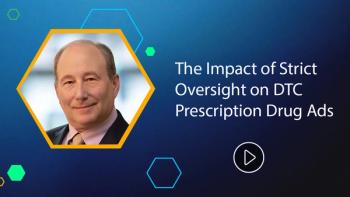
Dan Troy, former FDA chief counsel, explains limits on what regulations FDA can put on DTC advertisements.
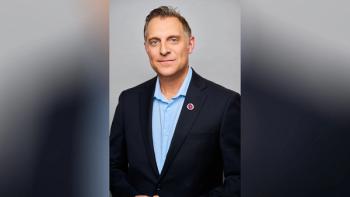
The Lupus Research Alliance’s CEO and president discusses how recent treatment breakthroughs are changing the patient experience in Lupus treatment.

Harpreet Singh, former FDA Oncology Division Director and current chief medical officer at Precision for Medicine notes how evolving FDA review standards, expedited approval programs, and emerging AI tools are reshaping the regulatory landscape for biopharma companies.
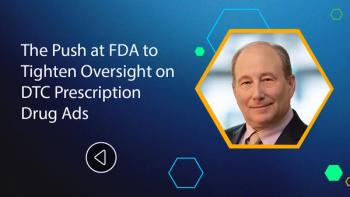
Former FDA chief counsel Dan Troy discusses the motivation behind potential DTC pharma ad bans.
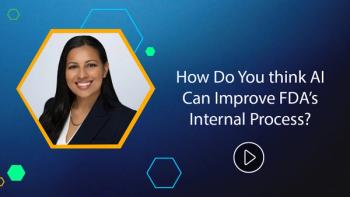
Harpreet Singh, MD, notes that FDA’s internal AI system could improve efficiency in drug review by helping reviewers aggregate and synthesize complex data.

A fragmented approach to drug discovery created structural inefficiencies that drive up R&D costs.
In today’s Pharmaceutical Executive Daily, Eli Lilly announces three acquisitions totaling roughly $3 billion, the FDA approves Hepcludex as the first treatment for chronic hepatitis delta virus infection in the United States, and biotech finance leaders reflect on the lessons learned from navigating two decades of volatile markets.

FDA approves Gilead’s Hepcludex as the first treatment for chronic hepatitis delta virus in the U.S., marking a major milestone for a severe liver disease with limited therapeutic options.

Eli Lilly enters three separate acquisitions totaling $3.83 billion in a push into vaccines and infectious diseases, signaling a strategic expansion into prevention-focused medicines.

Harpreet Singh, MD, touches on how the Commissioner’s National Priority Voucher program is accelerating regulatory review timelines without fundamentally changing how pivotal trials are designed.

The Deloitte Consulting partner discusses how GLP-1s are becoming key value drivers and driving R&D focus during a period of market concentration.

Drawing on nearly two decades in biotech finance,Troy Ignelzi outlines why operational discipline, strategic storytelling, and long-term conviction have become essential survival tools in an increasingly unforgiving life sciences market.

Reputation is one of the factors that influences whether the people who matter most to your business decide whether to move with you.

Kevin Dondarskit of Deloitte Consulting discusses the risks that drug makers face if they decide to put too much focus on an area where they may lack expertise, such as the emerging GLP-1 market.
In today’s Pharmaceutical Executive Daily, the FDA approves Datroway for certain patients with metastatic triple-negative breast cancer, leadership changes continue at the National Institutes of Health with the departure of a top infectious disease institute director, and industry experts discuss how real-time data is reshaping biotech decision-making and development strategy.

FDA approves AstraZeneca and Daiichi Sankyo’s Datroway for first-line metastatic triple-negative breast cancer, expanding treatment options for patients ineligible for PD-1/PD-L1 inhibitor therapy.

Jeffrey Taubenberger’s departure was announced by Senator Baldwin during a congressional hearing.

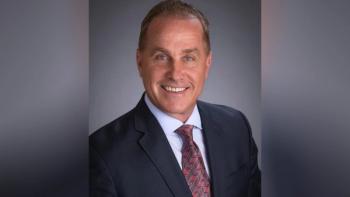
MedicNova’s chief business officer details how changes at FDA are causing tension with the industry and investors, who are finding themselves less confident in the regulatory process.
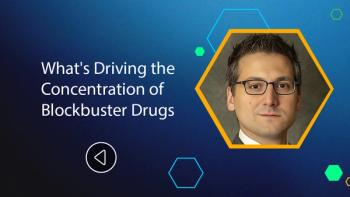
Kevin Dondarskit of Deloitte Consulting discusses how pharma companies are focusing on high-value assets that serve large patient populations.
Harpreet Singh, MD, notes that the FDA’s broader shift toward accepting single pivotal trials reflects an evolution in regulatory thinking, while noting the agency still weighs disease severity, unmet need, trial design, and long-term safety
In today's Pharmaceutical Executive Daily, Reuters reports that lower-priced oral GLP-1 pills from Eli Lilly and Novo Nordisk are drawing patients away from compounded weight loss medications, Gilead Sciences' renews its five-year collaboration with WHO and Johnson and Johnson’s collaboration with the Department of Health Abu Dhabi, finally Partha Anbil argues that truly industrializing machine learning and AI in life sciences requires systems that are scientifically credible, clinically defensible, regulatorily traceable, and operationally sustained.

Life science organizations that will lead the next decade ar those that deploy systems that are scientifically credible, clinically defensible, regulatorily traceable, and operationally sustained.

New partnerships from Gilead Sciences and Johnson & Johnson highlight how healthcare companies are using collaborations to expand global disease initiatives and accelerate development of AI-enabled healthcare infrastructure.