

Feature|Videos|July 31, 2026
Manufacturing on the Move: Tariffs, Reshoring, and the Germany Investigation
Key Takeaways
- Learn why reshoring and tariff exposure are accelerating the trend toward manufacturing in the market where a product is sold.
- Understand the significance of the Section 301 investigation into Germany's drug pricing policies.
Kirsten Axelsen unpacks how reshoring trends, tariff exposure, and the Section 301 investigation into Germany's pricing policies are reshaping where pharma manufactures and launches.
Advertisement
Episodes in this series
In this segment, Kirsten Axelsen discusses how reshoring incentives and tariff exposure are reshaping pharmaceutical manufacturing and launch decisions.
Axelsen explains that a shift toward manufacturing in the market where a company sells was already underway in the post-pandemic era as company portfolios moved toward more complex specialty drugs, and that this trend is accelerating as companies weigh tariff exposure and the possibility of a more permanent MFN policy. She also addresses the recent Section 301 investigation into Germany's own drug cost-control policies, noting that the U.S. has historically shown little interest in intervening in other countries' pricing practices — even as U.S. prices remain high relative to Europe and Japan, where patients often face longer wait times for new medicines.
Manufacturing, supply chain, and trade policy teams will gain a clearer picture of how reshoring incentives, tariff exposure, and cross-border pricing disputes are reshaping global manufacturing decisions.
Advertisement
Related to this article

Lilly’s Foundayo receives a positive CHMP opinion for obesity and type 2 diabetes — putting the oral GLP-1 pill on course for EU approval.

The interleukin-6 receptor inhibitor gains a second indication, though one of two phase 3 trials missed its primary endpoint.

European regulators are increasing pressure on clinical trial sponsors to report study results on time, rolling out new monitoring, reminders and guidance as patient advocates welcome the progress but question whether stronger oversight and enforcement will follow.

Why “we’re safe” is the most dangerous assumption in medical benefit commercialization.

Fox Rothschild's Mark Wagner on why drug shortages are so hard to fix — from the definition gap to API dependency to three-year site approvals.
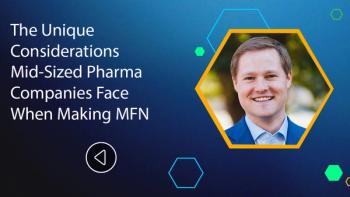
Incubate’s John Stanford on why MFN hits mid-sized pharma harder — fewer products to absorb margin hits and less access to cheap capital.

AstraZeneca will pay insitro $40 million upfront to apply AI to target discovery in MASH and cardiomyopathies, with no candidates named yet.

AI does not end uncertainty in pharma strategy. Its value depends on how well leaders blend it with experience and evidence while keeping judgment human.
Advertisement
Advertisement
Trending on PharmExec
1
FDA Approves Enspryng (Satralizumab) for Thyroid Eye Disease
2
EMA Panel Backs Lilly’s Foundayo for Obesity and Type 2 Diabetes in Europe
3
The Bubble You Don’t Know You’re In: A Three-Part Series on The Medical Benefit Bubble
4
The Unique Considerations Mid-Sized Pharma Companies Face When Making MFN Deals
5