
“Most importantly, this lifesaving progress would never be possible without our researchers, the investment made to support them at all stages of their careers and most importantly the countless patients who have helped inform these advancements along the way and participated in clinical trials.”
News|Articles|February 4, 2026
Susan G. Komen Releases Breast Cancer Progress Outlook for 2026
Author(s)Nicholas Jacobus
Listen
0:00 / 0:00
Key Takeaways
- Mortality gains reflect earlier detection and broadened systemic options, yet the absolute burden remains high with tens of thousands of annual deaths projected.
- Invasive breast cancer incidence continues to climb, including accelerated growth in patients under 50, stressing prevention, screening capacity, and survivorship resources.
The outlook highlights major progress in reducing U.S. breast cancer deaths through improved screening and treatment, while noting that rising incidence and ongoing disparities continue to challenge patients and the health care system.
Advertisement
The U.S. breast cancer death rate fell sharply over the past three decades, reflecting major advances in screening and treatment. However, rising incidence and persistent disparities continue to pose significant challenges for patients and the health care system, according to a new outlook released by the Susan G. Komen organization.
The organization’s 2026 Breast Cancer Progress Outlook reflects the positive progress in early detection and awareness, showing that breast cancer mortality in the United States has declined 44% between its peak in 1989 and 2023, translating to an estimated 546,000 deaths averted.1
What is driving the progress?
Earlier detection through screening and the steady expansion of treatment options have helped drive progress, but despite those gains, an estimated 43,000 people in the U.S. are still expected to die from breast cancer this year, underscoring the disease’s ongoing public health impact.2
At the same time, the number of people being diagnosed continues to climb, as incidence of invasive breast cancer has rising since the mid-2000s and increasing by an average of 1% per year from 2013 to 2022.1 The increase has been even more pronounced among women under 50, where incidence has grown at an average annual rate of 1.4%. The trends suggest that while treatments have improved outcomes, prevention and early detection strategies remain under pressure as more people enter the patient population.
According to the outlook, progress has been uneven across communities, as it highlights persistent socioeconomic and racial disparities that continue to limit access to high-quality and timely care.1 Breast cancer mortality has not declined among American Indian and Alaska Native women over the past 30 years, while death rates remain 37% higher in Black women compared with white women, despite lower incidence.1
What is next for breast cancer research and treatments?
Looking ahead, the report points to several areas of research that could shape breast cancer care in the near term. Over the past 30 years, Komen-backed research has contributed to the development of upwards of 30 FDA-approved breast cancer drugs, with additional advances expected in 2026. Among the most closely watched developments are new oral therapies for metastatic hormone receptor–positive disease, blood-based tests designed to detect trace amounts of cancer DNA, and next-generation treatments that more precisely deliver chemotherapy to tumor cells.1
Oral selective estrogen receptor degraders represent a shift toward more convenient, at-home treatment options for people with hormone receptor–positive breast cancer, potentially improving adherence by reducing the burden of clinic-based injections.1 Antibody-drug conjugates, which pair lab-made antibodies with chemotherapy payloads, continue to gain momentum with early data suggesting they can deliver potent treatment more directly to cancer cells.1 In parallel, liquid biopsies also hold potential to allow clinicians to detect recurrence earlier and tailor treatment decisions based on real-time disease signals.
How does AI contribute?
Beyond therapeutics, the growing role of artificial intelligence (AI) is emerging as both an opportunity and a risk. AI tools are being explored to support mammography interpretation, risk prediction, and clinical decision-making, with the potential to improve accuracy and detect disease earlier.1 However, in the outlook, Komen cautions that uneven data representation, limited access, and the spread of misinformation could worsen existing disparities if these technologies are not implemented carefully.1
“All these developments point toward a future of more precise, personalized care, matching the right treatment to each person at the right time,” said Victoria Smart, senior vice president of mission at Susan G. Komen. She emphasized that continued progress depends on sustained research investment, patient participation in clinical trials, and policies that expand access to affordable, high-quality care.
Sources
- Breast Cancer 2026 Progress Outlook: New Research Discoveries and Opportunities Susan G. Komen February 2, 2026
https://www.businesswire.com/news/home/20260202197445/en/Breast-Cancer-2026-Progress-Outlook-New-Research-Discoveries-and-Opportunities - Cancer Facts and Figures 2026 American Cancer Society Accessed February 3, 2026
https://www.cancer.org/content/dam/cancer-org/research/cancer-facts-and-statistics/annual-cancer-facts-and-figures/2026/2026-cancer-facts-and-figures.pdf
Advertisement
Related to this article
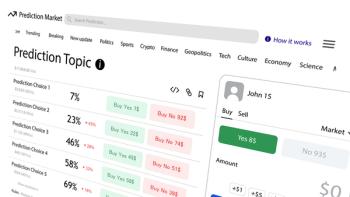
As CROs, labs, and other outside partners gain early access to trial and FDA data that sponsor employees have, experts say closing the gap starts with rewriting confidentiality language.

As Japan prices take on greater global significance, disciplined launch strategy can help pharma companies capture the full value of innovation.

Experts warn prediction markets are exposing gaps in pharma vendor confidentiality agreements, Roche licenses Rona Therapeutics’ obesity RNAi candidate while Pfizer partners with Enodia Therapeutics on Sec61 inhibitors, and PaxSafe’s Mark Talens makes the case for acting on imperfect supply chain data.
Roche licenses Rona Therapeutics’ ALK7-targeting RNAi candidate for obesity, while Pfizer partners with Enodia Therapeutics on Sec61 inhibitor discovery.
Fox Rothschild's Marc Wagner on why scaling drug production is so slow — overseas API sourcing, supplier qualification, and FDA site approvals that take years.

PaxSafe's Mark Talens on why pharma supply chain AI fails before it starts — and the data foundry framework that changes that.

Thomas Appio has been named interim CEO of Bausch + Lomb, a move coinciding with an expected upward revision to the company’s full-year guidance.

A conversation with Geoffrey T. Sanzenbacher, a research fellow at the Center for Retirement Research.
Advertisement
Advertisement
Trending on PharmExec
1
Prediction Markets Expose a Gap in Pharmaceutical Vendor Contracts
2
The Bottlenecks That Slow Manufacturer Response to Increased Demand for Production
3
Roundup: Rona Therapeutics Enters Global License Agreement for ALK7-targeting RNAi Therapy, Enodia Therapeutics Enters Collaboration and License Agreement to Develop Sec61-Targeting Small Molecules
4
The Manufacturing Issues That Continue to Contribute to Drug Shortages
5