

Q&A with Harry Totonis, CEO and chairman of ConnectiveRx, on embracing change and seeking better solutions amid today’s challenging playing field for patient access.
Q&A with Harry Totonis, CEO and chairman of ConnectiveRx, on embracing change and seeking better solutions amid today’s challenging playing field for patient access.

In today’s Pharmaceutical Executive Daily, we explore Johnson & Johnson’s plan to separate its orthopedics division into a standalone company, the global implications of the Most Favored Nation drug pricing proposal, and strategies helping small biotechs reach market faster.

Biotech funding surges as companies like Pelage, Kardigan, and Kailera secure millions to innovate treatments for hair loss, obesity, and cardiovascular diseases.
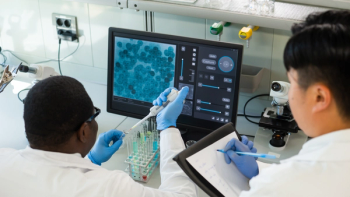
The biopharmaceutical sector sees major acquisitions, enhancing capabilities in RNA therapies and rare diseases, with key players like BioCryst and Bristol Myers Squibb leading the charge.

A Harvard Business School Healthcare Alumni Association Q&A with Jennifer McCollum, CEO of Catalyst.

Hunter Smith,CFO of Rhythm Pharmaceuticals, noted that maintaining balance between investor expectations and long-term biotech priorities depends on partnering.
In today’s Pharmaceutical Executive Daily, we cover Takeda’s new multi-year research collaboration with Nabla Bio, how tariff and pricing pressures are driving pharma toward direct-to-consumer strategies, and reports of AstraZeneca reaching an agreement with the Trump administration.
Johnson & Johnson plans to separate its orthopaedics business, creating DePuy Synthes, to enhance focus, innovation, and value for stakeholders.

Nabla Bio and Takeda enhance their partnership to revolutionize AI-driven protein therapeutics, aiming for groundbreaking advancements in drug development.

Hunter Smith, CFO of Rhythm Pharmaceuticals, explains that in biotech, success often brings greater capital demands before profitability, requiring CFOs to balance continuous fundraising with careful management.
In today’s Pharmaceutical Executive Daily, we cover Ypsomed’s new North Carolina manufacturing site, how pharma leaders are maintaining strategic clarity amid policy whiplash, and Excellergy’s $70 million Series A launch to advance its trifunctional immunotherapy platform.

Pharmaceutical companies embrace direct-to-consumer sales and price cuts amid tariff changes and Trump's push for lower drug costs in the US.

Excellergy secures $70 million to advance innovative trifunctional ECRIs, aiming to redefine allergy treatment and improve patient outcomes.
In discussing the evolving role of biotech CFOs, Hunter Smith,CFO of Rhythm Pharmaceuticals, emphasized that today’s finance leaders must act as the “voice of the investor,” ensuring disciplined capital allocation and long-term value creation.

Ypsomed invests $250 million in a new U.S. manufacturing facility, enhancing local supply and creating jobs in Holly Springs, North Carolina.
In today’s Pharmaceutical Executive Daily, we cover Bristol Myers Squibb’s $1.5 billion acquisition of Orbital Therapeutics, ongoing legal and market implications of the Most Favored Nation drug pricing proposal, and the FDA’s approval of Libtayo as an adjuvant therapy for cutaneous squamous cell carcinoma.

The company’s CEO will reportedly joining the President to announce the deal.

Bristol Myers Squibb acquires Orbital Therapeutics to enhance its CAR T-cell therapy portfolio, promising innovative treatments for autoimmune diseases.

Shana Tetrault, PhD, Director of Product Marketing at Quanterix, outlined strategies for integrating blood-based biomarkers into routine clinical care pathways, ensuring minimal disruption for patients and clinicians.

Regeneron's Libtayo gains FDA approval as the first immunotherapy for high-risk cutaneous squamous cell carcinoma, enhancing patient treatment options.

Novo Nordisk acquires Akero Therapeutics to enhance its portfolio with efruxifermin, a promising treatment for metabolic dysfunction-associated steatohepatitis.

Shana Tetrault, PhD, Director of Product Marketing at Quanterix, discussed challenges in positioning Simoa in the precision health market, stressing its accuracy and reliability in diverse populations.
In today’s Pharmaceutical Executive Daily, we explore why medical AI success depends on more than algorithms, Amgen’s launch of its new direct-to-consumer platform AmgenNow, and AstraZeneca’s multi-target research partnership with Algen.
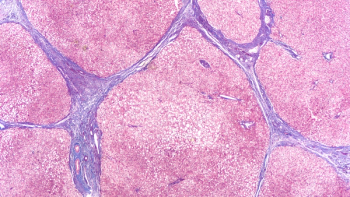
FDA approves Jascayd, the first new treatment for idiopathic pulmonary fibrosis in over a decade, significantly reducing mortality risk for patients.

Johnson & Johnson's Simponi gains FDA approval for treating pediatric ulcerative colitis, expanding options for young patients with this chronic condition.

Shana Tetrault, PhD, Director of Product Marketing at Quanterix, discussed translating complex scientific findings into actionable insights for healthcare providers and stakeholders, emphasizing the importance of early disease detection.
In today’s Pharmaceutical Executive Daily, we cover the FDA lifting its clinical hold on Neurizon Therapeutics’ lead program Nuz-001, the agency’s export ban on Sun Pharma’s Halol facility, and new insights on how small biotechs can better navigate regulatory and market complexities.

Algen Biotechnologies partners with AstraZeneca to enhance AI-driven drug discovery, targeting chronic inflammatory conditions for innovative therapeutic solutions.
Chiesi Group partners with Arbor Biotechnologies to advance gene editing therapies for rare diseases, focusing on primary hyperoxaluria type 1.

Amgen introduces AmgenNow, a direct-to-patient program for Repatha, offering affordable access to life-saving cardiovascular treatment.