






FDA granted Compass Pathways with a rolling review for COMP360, a proprietary formulation of synthetic psilocybin, in treatment-resistant depression.
FDA granted Compass Pathways with a rolling review for COMP360, a proprietary formulation of synthetic psilocybin, in treatment-resistant depression.

FDA issues Complete Response Letter to AbbVie’s trenibotulinumtoxinE, delaying a potential first-in-class aesthetic neurotoxin over manufacturing questions despite no identified safety or efficacy concerns.

Early clinical data from the CHORD trial supported accelerated approval of the first gene therapy targeting OTOF-related hearing loss under the FDA Commissioner’s National Priority Voucher program.

FDA expands its approval of Tzield to children as young as one with stage 2 type 1 diabetes, extending the first disease-modifying therapy into an earlier, high-risk population to delay progression to insulin-dependent disease.

FDA expands Dupixent approval to children aged 2–11 with chronic spontaneous urticaria, marking the first biologic option for this population and extending its reach across type 2 inflammatory diseases.

FDA has approved Merck’s Idvynso, introducing a differentiated, two-drug, non-INSTI, tenofovir-free HIV regimen that maintains viral suppression while offering a potentially more tolerable, simplified option for long-term patient management.

The Trump administration’s new executive order aims to accelerate FDA review of psychedelic therapies for mental health conditions, highlighting a potential shift in regulatory timelines and expanded access pathways,

A new ICER white paper calls for reforms to the FDA’s accelerated approval pathway, citing ongoing challenges with regulatory consistency, confirmatory trial delays, and transparency.
FDA has fully approved Travere’s Filspari for focal segmental glomerulosclerosis, making it the first approved therapy for the rare kidney disease and expanding its role beyond IgA nephropathy.
Replimune received a second FDA complete response letter for RP1 in advanced melanoma, raising questions about the viability of its oncolytic immunotherapy program.
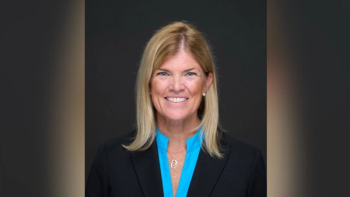
Dismissing the role of independent, outside experts in FDA decision-making weakens the drug review process.
Since the start of President Trump's second term, the FDA, CDC, CDER, and CBER have collectively cycled through more than a dozen leadership changes.
FDA has approved Foundayo, Eli Lilly's once-daily oral GLP-1 receptor agonist, as the first small molecule pill of its kind for obesity.
Kresladi becomes the first FDA-approved gene therapy for children with severe LAD-I due to biallelic variants in ITGB2, and Awiqli the first and only once-weekly basal insulin treatment for adults with type 2 diabetes.
FDA has granted accelerated approval to Avlayah, the first therapy engineered to cross the blood-brain barrier and treat the neurological manifestations of Hunter syndrome.
The warning letter is directed at promotional claims about Anktiva’s efficacy and use.
This is the agency's first approved treatment for acquired hypothalamic obesity.
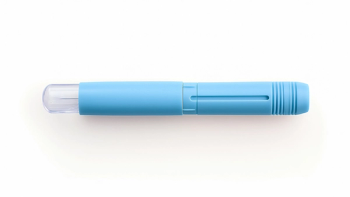
FDA has approved Wegovy HD, a higher-dose 7.2 mg injectable semaglutide, based on Phase III data showing a mean weight loss of 20.7% in adults with obesity.

FDA has approved Icotyde as the first oral targeted therapy for moderate-to-severe plaque psoriasis, offering adults and adolescents a once-daily pill that blocks the IL-23 receptor.

Arexvy is now approved for adults aged 18 to 49 with underlying conditions that elevate their risk of severe RSV disease.

FDA cites systemic failures in how the company tracked and reported adverse drug events across several of its medicines, including semaglutide.
FDA issued draft guidance that would eliminate certain clinical pharmacokinetic studies from the biosimilar development process.
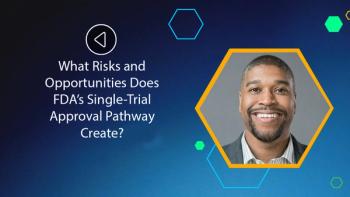
Ron Lanton, Senior Partner & Global Strategist, Lanton, Lanton & Sosa Law PLLC, notes FDA’s single-trial approval pathway may accelerate development, but manufacturers face heightened litigation risk, pricing uncertainty and safeguards.
FDA approved GSK's Wellcovorin as the first treatment for cerebral folate deficiency caused by a rare genetic variant.

The application is based on Phase III trial data showing the drug reduced the risk of invasive disease recurrence or death.