



Investment from the Alzheimer’s Drug Discovery Foundation (ADDF) aims to support the development of Coya 302, a therapeutic candidate for the treatment of frontotemporal dementia (FTD).

Investment from the Alzheimer’s Drug Discovery Foundation (ADDF) aims to support the development of Coya 302, a therapeutic candidate for the treatment of frontotemporal dementia (FTD).
Industry experts gather to discuss the current investor market and how the IRA may impact the industry in the coming years.

Novo Holdings is expected to acquire 60% of Single Use Support, with the remaining shares being held by Danaher and the company founders.

The joint venture aims to address unmet needs in the treatment of mood and anxiety disorders through novel neuroplastogens.
Led by Decheng Capital, the successful round of funding also included participation from investors such as Cormorant Asset Management, Surveyor Capital, and the Foundation for Prader-Willi Research.

These factors provide investors with enough information to identify promising investment opportunities.

Now-unclear timing on rate cuts puts onus back on fundamentals.

The collaboration is a part of a broader strategy to combat cardiometabolic and rare diseases.

Strategic financing from Oaktree Capital Management and OMERS Life Sciences is expected to support the US launch of ensifentrine, Verona’s promising chronic obstructive pulmonary disease treatment.

Joint venture aims to develop up to 10 new cell and gene therapy products targeting areas with high unmet medical needs.
Deal includes a number of radioligand therapies targeting solid tumors, such as breast, prostate, and lung cancers.

A Harvard Business School Healthcare Alumni Association Q&A with Matt Wolf, president of Biopharma Services at Cencora.

The CEO of NewYorkBIO discusses why investors continue to flock to New York in the life sciences industry.

Per the agreement, Cellares will integrate and automate some of Bristol Myers Squibb’s CAR T-cell therapies into its Cell Shuttle program.

Acquisition includes rights to marketing in the European Economic Area, Thailand, South Korea, and other regions for oral treatment of mild to moderately severe dementia associated with Alzheimer disease.

Partnership also includes an agreement for Arvinas to sell its preclinical AR-V7 program to Novartis.

The takeover is contingent upon a minimum acceptance rate of 65% and other conditions outlined in the offer document.
Joint venture aims to implement Invenra’s B-Body bispecific antibody platform to enhance Astellas' research and development efforts.

Collaboration aims to advance the development of treatments for multiple neurodegenerative conditions, including amyotrophic lateral sclerosis.

The deal, which is worth approximately $13.1 billion, is part of J&J MedTech's goal to expand into high-growth markets.
Agreement comes as Teva aims to strengthen its biosimilar portfolio as part of its "Pivot to Growth" strategy.
Deal aims to commercialize XTX301 for treating advanced solid tumors by leveraging Xilio’s tumor-activated immuno-oncology therapies.

Deal includes the novel treatment CDR132L, which is currently in Phase II clinical trials for heart failure.

A look at pharma and biotech financing, M&A, and stock market performance in 2023—and where developments may head next as company executives continue to navigate stormy but perhaps stabilizing waters in the months ahead.
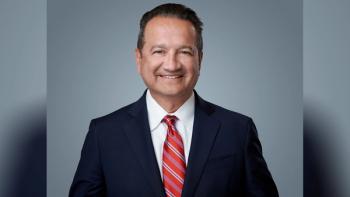
Sapirstein discusses the current conditions that are impacting investors’ view of the life sciences industry.