Inovalon's Jen Lamppa on why inaccurate self-reported data is clinical trial enrollment's costliest problem — and how RWD fixes it.
Mike Hollan is an assistant managing editor for Pharmaceutical Executive and Medical Device and Technology and can be reached at mhollan@mjhlifesciences.com.
Inovalon's Jen Lamppa on why inaccurate self-reported data is clinical trial enrollment's costliest problem — and how RWD fixes it.
Inizio's Elaine Ferguson on why enabling purpose-driven employees to make a meaningful difference is as important as any formal talent strategy.
Inizio's Elaine Ferguson on how cross-functional leadership pods tackling real business challenges are turning talent development into operational innovation.
Inizio's Elaine Ferguson on why AI value requires deconstructing workflows task by task — aligning each to the right combination of talent and technology.
Pharma brands with all the right information are still invisible to AI — and why silence is the bigger risk than inaccuracy.

Dr. Elena Christofides on why cortisol dysregulation may be the hidden reason GLP-1s fail — and what to do when patients don't respond.
Inizio's Elaine Ferguson on why connecting talent across 10,500 employees and four business units is fundamental to delivering client value.

Dr. Elena Christofides on why patients who don't respond to diabetes medications deserve a diagnostic workup — not a non-adherence label.

Dr. Elena Christofides on why treatment failure in diabetes should trigger a cortisol screen — not an assumption of non-adherence.

Dr. Elena Christofides on why the overnight dexamethasone suppression test is the only cortisol screen that actually identifies HPA dysfunction.
Dr. Elena Christofides on why cortisol dysregulation may explain why so many patients fail to respond to GLP-1 and incretin therapies.
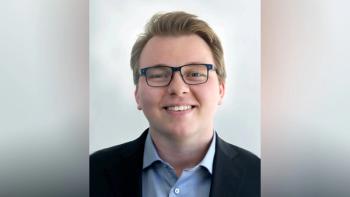
Back Bay’s director discusses why IBD remains underserved — JAK inhibitor constraints, emerging oral mechanisms, and the durability gap.
Back Bay’s director discusses why IBD remains underserved — JAK inhibitor constraints, emerging oral mechanisms, and the durability gap.
Christian Thienel on the oral IBD mechanisms generating the most excitement — SIK2, oral IL-23, TYK2 — and why multiple could succeed.
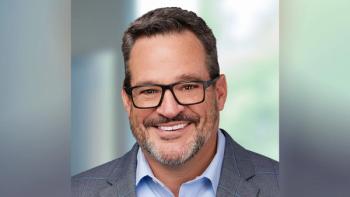
Carelon Research's Mark Cziraky on why analyzing RWD in place — rather than licensing it out — is reshaping how evidence gets generated.
Christian Tinel on why Rinvoq succeeds in IBD despite safety concerns — and what a cleaner oral alternative would mean for the market.
Carelon Research's Mark Cziraky on why trusted research environments don't change how analysis is done — just how fast and richly it can begin.
Christian Thienel on why IBD's unmet need comes down to one thing: an oral therapy with biologic-like efficacy and better safety.
Carelon Research's Mark Cziraky on why bringing compute to data — not moving data — reduces risk and accelerates real-world evidence generation.
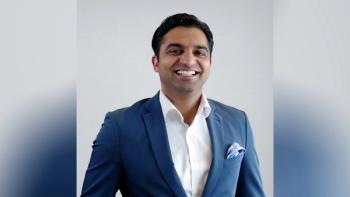
ACTO’s CEO on AI trust, the future of the sales rep, and why human intelligence plus empathetic agents is the winning formula.
Carelon Research's Mark Cziraky on why the industry's need for deeper, linked data is driving a shift toward trusted research environments.
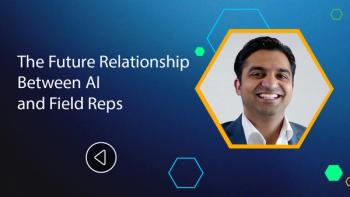
ACTO's Parth Khanna on how AI agents will evolve the sales rep role — freeing reps to go deeper with physicians and do more.
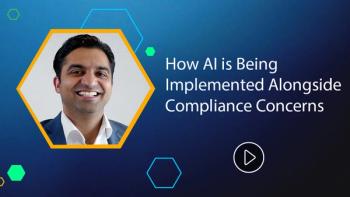
ACTO's Parth Khanna on context engineering, role-based design, and why agents should be certified before deployment — just like reps.
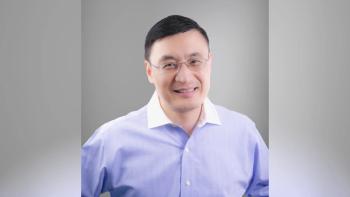
K2 Therapeutics CEO discusses China's biotech rise, the case for global asset acquisition, and what defines a successful biotech.
ACTO CEO Parth Khanna on why sales reps still matter — and how human intelligence plus empathetic agents is the winning formula for field teams.
K2 Therapeutics CEO Ying Huang discusses the three priorities that define a successful biotech: unmet need, development cost, and accessible pricing.
ACTO's co-founder on why AI trust equals compliant plus capable — and why role-specific context is what allows agents to achieve both.
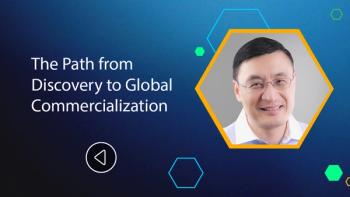
K2 Therapeutics CEO Ying Huang on the drug development pipeline — and the compounding attrition rates that make FDA approval the exception.
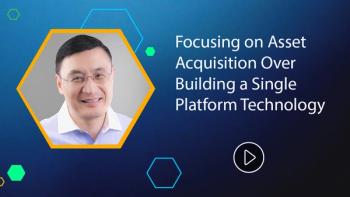
K2 Therapeutics CEO Ying Huang on how in-licensing assets with existing human data can cut years and billions from the drug development timeline.
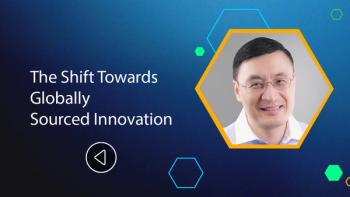
K2 Therapeutics CEO Ying Huang discusses why government investment and US-trained returnees have made China's biotech innovation surge irreversible.

March 11th 2025
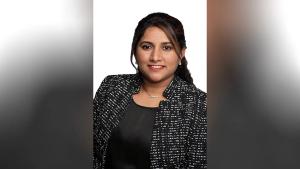
February 17th 2026