

Empara’s virtual assistant is the latest attempt to use AI to simplify the user experience in the healthcare industry.
Mike Hollan is an assistant managing editor for Pharmaceutical Executive and Medical Device and Technology and can be reached at mhollan@mjhlifesciences.com.
Empara’s virtual assistant is the latest attempt to use AI to simplify the user experience in the healthcare industry.
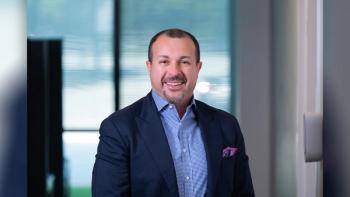
The AscellaHealth CEO discusses how new technologies are increasing the options in patient care.
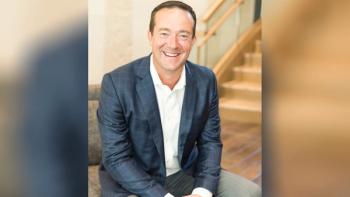
The CEO of Revelation Pharma discusses how compounding pharmacies may help solve the ongoing issue with drug shortages.
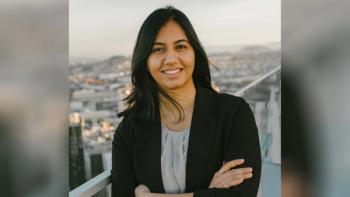
Dr. Varshney discusses how AI is being used to sort data and discover new molecules and indications for existing drugs.

The compounding pharmacy acquired Taylors Pharmacy and Key Compounding Pharmacy.

Body Vision’s AI-powered LungVision image system earned a place in Vizient’s innovative technology program.
The company announced that it had received certification from BSI Medical Devices.

MTX325 is in Phase I trials and is believed to be able to modify the course of the disease.

The platform is similar to other recent digital platforms in that it is designed to reduce drug costs.

The company announced that it has partnered with Adena Health and The Ohio State University Health Plan Solutions.

Patients who received PrimeC reportedly saw significant impact to the disease’s progression.

As previously announced, Michael assumed the role on July 1.
The platform utilizes standards set forth in a recently published document from the CDC.

AbbVie will add CEL383 to its pipeline.
UltraSight will join the AI marketplace.
The guidance is aimed at helping sponsors recruit test populations that accurately represent real world populations.
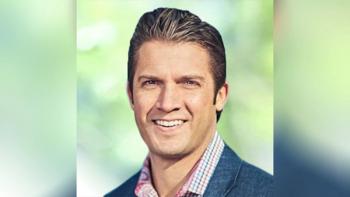
Veeva’s vice president of global business consulting discusses recent trends in HCP access and how the pharma industry is reacting.
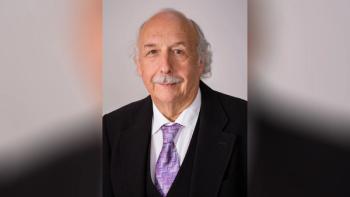
Rademacher continues his discussion of developing vaccines for outbreaks before they occur.

The company announced that this would reduce instances of interruptions during patient interactions.

A study detailing how patients struggling with obesity interact with the life sciences industry suggests that they don’t get weight loss information from their doctors.
The insurance brokerage firm acquired company’s in Pennsylvania, North Carolina, Mississippi, and Iowa.

The former Bill and Melinda Gates MRI CEO discusses the importance of not-for-profits in developing desperately needed medicines.

The online program is required for brokers and agents to sell Medicare Advantage Plans.

The company announced updates to its software to focus on this issue.

The CTO of Authenticx discusses preventing bias from becoming part of AI models.

The platform, named Pharmacy Match, will connect markets for specialty drugs.
Rademacher discusses his early work with trying to develop a vaccine for Ebola.

The Legend Biotech CEO discusses the results of the Phase 2 CARTITUDE-2 Cohort D study.
The platform will use machine-learning and generative AI to provide insurers with a variety of options and increase automation in their processes.

The CDMO’s facilities will be used to accelerate the production for a treatment of nAMD.