


Patient Access
Latest News


Roundup: FDA Approves Lilly’s Olumiant, AbbVie’s Juvmo, Mirum & Incyte’s Atebrioz
Advertisement
Latest Videos









Shorts
Advertisement
More News

Six years after Rutledge, new court rulings, federal PBM reforms, and state ownership bans are redrawing the limits of pharmacy benefit regulation.
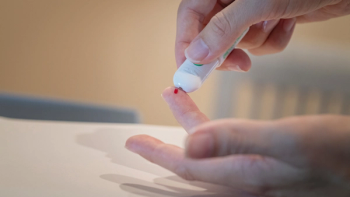
FDA approves Onswik, Eli Lilly's once-weekly basal insulin for adults with type 2 diabetes.

FDA approved Ultragenyx's Fayuvi (rebisufligene etisparvovec-hopf) as the first treatment for MPS IIIA Sanfilippo syndrome type A.
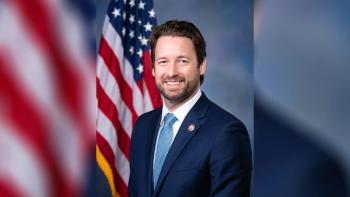
Former Rep. Joe Cunningham (D-SC), now spokesperson for the Pharmaceutical Reform Alliance, argues that codifying Most-Favored-Nation pricing into law is the real fix for drug costs.
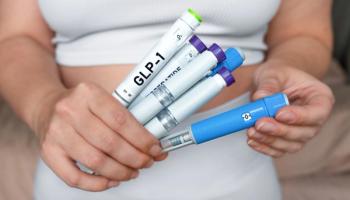
As GLP-1 competition shifts from molecules to prescriptions, manufacturers, pharmacies, providers, and payers are racing to own the patient journey.

FDA has approved Bayer's Kerendia to reduce disease progression risk in adults with chronic kidney disease associated with type 1 diabetes.

Bristol Myers Squibb’s Wendy Short Bartie on recasting corporate affairs as an enterprise value engine that connects trust, access and the patient voice.

Model N's Jesse Mendelsohn examines the growing stakes surrounding the 340B Drug Pricing Program — and how claims data, rebate models and simmering legal challenges are influencing manufacturer response and strategy today.

Back Bay’s director discusses why IBD remains underserved — JAK inhibitor constraints, emerging oral mechanisms, and the durability gap.

FDA has approved Ionis Pharmaceuticals' Zanvastro (zilganersen) as the first disease-modifying treatment for Alexander disease.

Nate Hill, co-founder & CEO, Strive Pharmacy, breaks down looming questions around the completed FDA PCAC hearing on peptides.
FDA approved Priovant's Lisraya (brepocitinib) as the first targeted therapy for dermatomyositis, Gilead's Bixlenvo as the first once-daily single tablet regimen for virologically suppressed HIV patients, and expanded Mounjaro's label to include cardiovascular risk reduction in high-risk type 2 diabetes patients.

The Trump administration is expected to announce a new round of voluntary MFN drug-pricing agreements with midsize biotech companies as soon as August 31.

A recent study of more than 15,000 adults over 55 with obesity found that sustained Zepbound use was associated with up to 38% lower monthly healthcare costs at 12 months compared with untreated matched controls.
FDA approved Imaavy (nipocalimab-aahu) as the first-ever treatment specifically indicated for warm autoimmune hemolytic anemia in patients ages 12 and up.
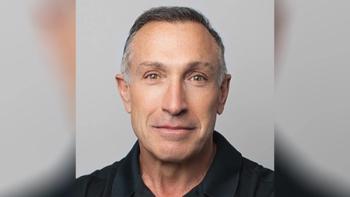
James LaValle, chair of the International Peptide Society, notes how the advisory committee's favorable vote on peptides for the 503A Bulks List was a meaningful step without constituting approval.
FDA has approved Regeneron's Pasatru ,the first treatment for fibrodysplasia ossificans progressiva in adults.

ADVI’s associate director of market access policy strategy discusses how 340B grew to $100 billion, lost its safety-net purpose, and became a compliance nightmare when the IRA arrived.
FDA has granted accelerated approval to Zenbexus plus daratumumab and Hyaluronidase-fihj and dexamethasone for multiple myeloma after at least one prior line of therapy.

In today's Pharmaceutical Executive Daily, a new report finds U.S. rare disease biotech investment rebounding after FDA's Priority Review Voucher program renewal, President Trump signs an executive order narrowing the recommended childhood vaccine schedule, and BeOne Medicines and Revolution Medicines announce a multi-part oncology collaboration.

President Trump signs an executive order shrinking the recommended childhood vaccine schedule from 18 diseases to 11, and calls for the MMR shot to be split into three separate injections.
In today's Pharmaceutical Executive Daily, Amazon Pharmacy launches a GLP-1 delivery service for eligible Medicare patients, Tarsus Pharmaceuticals agrees to acquire Alkeus Pharmaceuticals for $450 million to advance a Stargardt disease therapy, and FDA grants accelerated approval to Replimune's Tudriqev in combination with nivolumab for advanced melanoma.
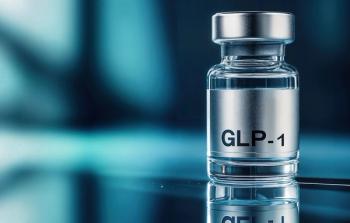
Amazon Pharmacy is now delivering GLP-1 weight management medications to eligible Medicare patients.
FDA has granted accelerated approval to Replimune's Tudriqev plus nivolumab for anti-PD-1-refractory unresectable advanced cutaneous melanoma.

FDA has approved Takeda's Orzeyful as the first oral orexin receptor 2 agonist for narcolepsy type 1 in adults.
Advertisement
Advertisement
Trending on PharmExec
1
Pharmaceutical Executive Daily: Foghorn Therapeutics & Eli Lilly Discontinue Development of FHD-909
2
Roundup: Novartis & Abogen Enter Licensing and Option Agreement, AstraZeneca and Daiichi Sankyo Enter Clinical Collaboration with Summit Therapeutics
3
New U.S. Guidance Lays Out Exemptions for 100% Tariffs: Report
4
Foghorn Therapeutics & Eli Lilly Halt Fhd-909 Development Following Phase I Data
5