


R&D/Clinical Trials
Latest News
Advertisement
Latest Videos
Advertisement
More News

Dr. Stoehr, neuroscience researcher at AbbVie discusses how biomarkers are opening a new window into Parkinson’s disease.
Dr. Richard Graham, chairman and co-founder of TruTechnologies, discusses the importance of global clinical trials while also being a center for these trials.
TruTechnologies’ chairman and co-founder Dr. Richard Graham explains why Australia and China are the main competitors for clinical trials.

Eli Lilly's Retatrutide met primary endpoints in two Phase III trials, delivering up to 22.6% body weight loss in adults with severe obesity and cardiovascular disease.
Dr. Richard Graham from TruTechnologies details the likelihood that Project Trialblazer reduces trial times by 6-to-12 months.

AI adoption in pharma drops sharply in the domains that matter most for discovery.

Robert Allen, Ph.D., Chief Scientific Officer, outlines how the company's Invymab platform uses viral surveillance and predictive modeling to design monoclonal antibodies against likely future variants rather than current strains.

Eli Lilly has agreed to acquire AtaiBeckley for up to $3.8 billion, adding a pipeline of neuroplastogen-based treatments.
Nuvation’s CEO David Hung details the various cancer medications the company has on the market and in clinical trials.

Insilico Medicine and Bora Pharmaceuticals entered a strategic alliance to pair Insilico's AI drug discovery platform with Bora's development and manufacturing infrastructure.

AstraZeneca acquires global rights to approved EGFR exon 20 inhibitor Zegfrovy, Chai Discovery strikes an undisclosed AI antibody collaboration with Novartis, and Innovent Biologics licenses its CD40L antibody IBI355 to Spero Therapeutics.

Insilico Medicine has deepened its partnership with China Medical System Holdings with a second CNS-focused collaboration in three months, pairing Insilico's PandaOmics-identified mechanism with CMS's clinical and commercial infrastructure in a deal worth up to $177 million in milestones.

AstraZeneca's Wainua failed to meet the primary endpoint of a late-stage trial in transthyretin-mediated amyloid cardiomyopathy, sending shares down nearly 10% in their largest single-day decline since late 2024.
Sanofi Chief Digital Officer Emmanuel Frenehard on scaling AI across a Big Pharma global enterprise and why a strategy of concentrated AI bets — not scattered pilots — can better drive real transformation without losing sight of governance, culture or patients.

AlzeCure Pharma has licensed its NeuroRestore platform and lead CNS candidate ACD856 to QuantumCell ApS, following positive Phase Ib safety and pharmacokinetic data.

New data from ADA 2026 reveal that assumptions around age, weight, and gestational history are leaving too many T1D patients misclassified — and the clinical consequences are preventable.
FDA plans a pilot to shorten early-stage drug trial timelines, raising strategic questions for biopharma development and investment.
Biogen has agreed to acquire private immunology biotech RayThera for up to $1 billion, adding a suite of undisclosed small molecule anti-inflammatory candidates to its pipeline.

Novavax’s EVP of corporate affairs and head of its Sweden division discusses new vaccine technologies, such as its adjuvant matrix technology, are bringing new players into the space.
Protillion Biosciences and AbCellera each secured platform-based drug discovery deals this week, with Protillion partnering with Merck on multi-target protein engineering in a deal worth up to $510 million and Jazz Pharmaceuticals committing up to $84 million upfront to AbCellera for T-cell engaging multispecific antibodies in gastrointestinal cancers.
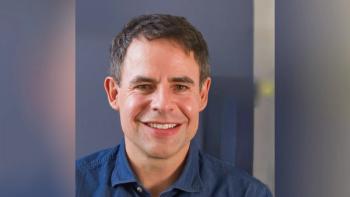
5 Prime Sciences CEO discusses how simply building a massive data set can cause more problems than it solves during clinical trials.

Elicio Therapeutics' KRAS-targeting immunotherapy ELI-002 7P missed its primary endpoint in a Phase II adjuvant pancreatic cancer trial, sending shares down 47%.
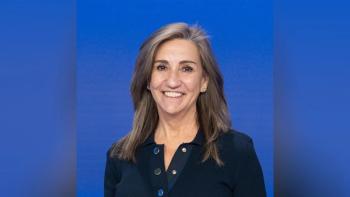
Polaryx’s chief medical officer discusses the regulatory environment for rare, pediatric treatments and how it’s directly impacting clinical trials.
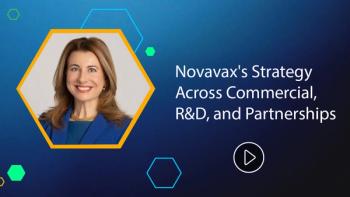
Silvia Taylor of Novavax details how the company leverages its expertise in vaccine development to build partnerships across the industry.

The two executives discuss joining Persica Pharmaceuticals and how they’re driving the company forward with non-opioid pain medication.
Advertisement
Advertisement
Trending on PharmExec
1
The Most Important Lessons Learned from Building CGT Supply Chains: LogiPharma 2026
2
Roundup: TRexBio & Retension Pharmaceuticals Announce IPO Pricing
3
FDA Approves Tecentriq for Stage III dMMR Colon Cancer
4
Viatris Acquires Pacira BioSciences for $1.65 Billion
5