



R&D/Clinical Trials
Latest News
Advertisement
Latest Videos




Advertisement
More News

How emerging investment models are rewiring biotech funding structures for efforts in rare disease.

Lisa Bollinger, chief medical officer at Polaryx, discusses signs that regulatory agencies are taking the issues related to rare disease therapy development seriously.
In this episode, Ron Lanton draws on insights from the JP Morgan Healthcare Conference to explain how healthcare investment is shifting from backing novel ideas to funding organizations that can scale, survive regulatory and reimbursement pressure, and embed technology into the operational infrastructure of care delivery.

Over the past decade, PRCCI has helped bring more than 300 clinical trial opportunities to Puerto Rico, supported over 90 clinical research contracts, and collaborated with more than 116 physicians and investigators across the Island.

With more than $43 billion committed in five months, the pharma industry isn't just licensing from China, it's restructuring where global drug discovery begins.

State-level access pathways won't cannibalize clinical trials for patients. Instead they could solve biotech's in-human data catch-22, and restore patient trust along the way.

Incyte, Galmed Pharmaceuticals, and Johnson & Johnson each announced acquisitions this week, with deals spanning a $2 billion bet on a Phase III bleeding disorder antibody, a GI medtech pivot, and a $1 billion move into KRAS-targeting degrader conjugates as dealmaking across therapeutic categories continues.

Roche has struck an exclusive collaboration with Nurix Therapeutics to co-develop BTK degrader bexobrutideg, paying over $700 million upfront in a deal that could top $3 billion in total.

Driven by rising prevalence and awareness of aesthetic appeal and self-image, the Alopecia Areata market is poised for steady growth.

Amidst this backdrop of challenges, one area of promise for closing gaps and advancing ovarian cancer care is the growing availability of high-quality, research-ready, real-world data.

Robertson discusses the trends shaping the future of oncology commercialization.

Ascidian Therapeutics has entered a global research and licensing deal with Eli Lilly to develop RNA exon-editing therapies for monogenic kidney diseases, a class of genetic conditions with an unmet need for treatment.

FDA has accepted Roche's NDA for giredestrant under Priority Review, moving the investigational oral SERD closer to potential approval .

As FDA complete response letters continue to impact nearly half of cell and gene therapy submissions, manufacturing strategy and process design are emerging as the industry’s most persistent regulatory vulnerabilities.

Research published this week highlights tirzepatide outperforming other GLP-1 therapies in early type 2 diabetes treatment while separate studies identified autoantibodies as a likely biological driver behind persistent neurological symptoms in some long Covid patients.
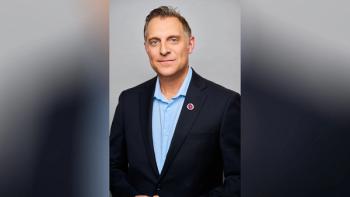
The Lupus Research Alliance’s CEO and president discusses how recent treatment breakthroughs are changing the patient experience in Lupus treatment.

A fragmented approach to drug discovery created structural inefficiencies that drive up R&D costs.

The Deloitte Consulting partner discusses how GLP-1s are becoming key value drivers and driving R&D focus during a period of market concentration.


Regeneron and Parabilis Medicines partner to discover and develop antibody-Helicon conjugates, aiming to create a new class of therapies capable of targeting historically “undruggable” intracellular proteins.

Toragen’s partnership with the Bill & Melinda Gates Foundation highlights how global health priorities and commercial biotech strategy can align around one of the world’s deadliest HPV-driven cancers.

BeOne Medicines’ John Oyler on building an oncology pharma power from a disruptive idea — and playing the long game on speed, science and scale.

FDA places full clinical hold on Aardvark’s ARD-101 in Prader-Willi syndrome after heart-related adverse events, pausing late-stage studies and raising new questions around safety in appetite-regulation therapies
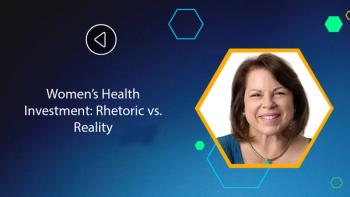
Toragen CEO, Sandra Coufal, MD, says women’s health remains structurally underfunded, arguing that outdated market assumptions continue to undervalue the true commercial opportunity in HPV-driven cancers.

Trialynx’s CEO discusses the benefits of using AI for trial design and how to find the AI companies doing the most promising work.
Advertisement
Advertisement
Trending on PharmExec
1
The Most Important Lessons Learned from Building CGT Supply Chains: LogiPharma 2026
2
Roundup: TRexBio & Retension Pharmaceuticals Announce IPO Pricing
3
FDA Approves Tecentriq for Stage III dMMR Colon Cancer
4
Viatris Acquires Pacira BioSciences for $1.65 Billion
5