

FDA approved AstraZeneca’s Fasenra for hypereosinophilic syndrome in patients aged 12 and older, expanding the IL-5 receptor-targeting therapy into a third eosinophil-driven disease with limited treatment options.
FDA approved AstraZeneca’s Fasenra for hypereosinophilic syndrome in patients aged 12 and older, expanding the IL-5 receptor-targeting therapy into a third eosinophil-driven disease with limited treatment options.
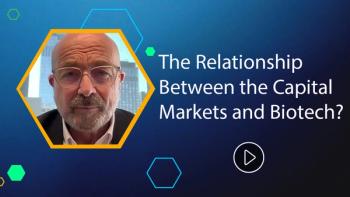
Dr. Jeremy Levin discusses the mismatch between capital markets and biotech and how the industry doesn’t provide the results that investors are often looking for.
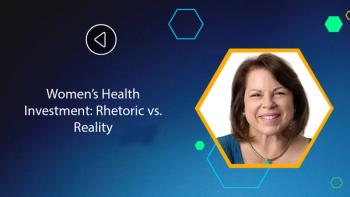
Toragen CEO, Sandra Coufal, MD, says women’s health remains structurally underfunded, arguing that outdated market assumptions continue to undervalue the true commercial opportunity in HPV-driven cancers.
In today's Pharmaceutical Executive Daily, the FDA grants accelerated approval to BeOne Medicines' Beqalzi as the first and only BCL2 inhibitor for relapsed or refractory mantle cell lymphoma, while also approving Taiho Oncology's Inqovi in combination with venetoclax for newly diagnosed acute myeloid leukemia, Pharmaceutical Executive reports on the Doceree Makers Summit, and Dean Erhardt argues that AI-enabled workflow automation offers a practical path to fixing the prior authorization system's chronic failures.

Trialynx’s CEO discusses the benefits of using AI for trial design and how to find the AI companies doing the most promising work.

At the Doceree Makers Summit, leaders from Sanofi, Bristol Myers Squibb, Eli Lilly, and others backed a new pharma marketing operating model to replace fragmented legacy softwares.
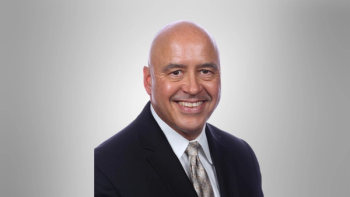
How existing technologies and approaches such as targeted AI deployment can help make prior authorization workflows more efficient.
FDA has approved BeOne Medicines’ Beqalzi for relapsed or refractory mantle cell lymphoma and Taiho Oncology’s Inqovi plus venetoclax for newly diagnosed acute myeloid leukemia, expanding treatment options for patients with difficult-to-treat blood cancers.

Why future oncology leaders will be defined by ecosystem orchestration.

Tris Pharma’s founder and CEO discusses his company’s history and how’s he’s adjusted his strategies over the decades.
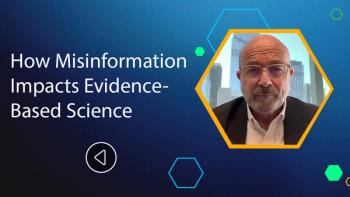
Dr. Jeremy Levin explains how the current media environment allows for misinformation spread, and the impact it has on trust in medicine.
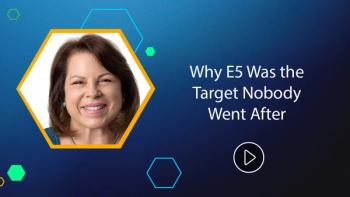
Toragen CEO Sandra Coufal, MD, explains why the overlooked HPV E5 protein may represent a breakthrough therapeutic target after decades of failed attempts against traditional viral pathways.
In today's Pharmaceutical Executive Daily, Rigel Pharmaceuticals enters an exclusive global licensing agreement with Arvinas and Pfizer for Veppanu, Eli Lilly releases data from two late-phase trials showing patients maintained meaningful weight loss after transitioning from higher-dose injectable GLP-1 therapies, and Hope Mueller argues that true pharmaceutical expertise is defined not just by having answers but by recognizing when you need a reset.

Agentic AI is reshaping pharma market entry by enabling real-time, data-driven insights that allow companies to ask more complex strategic questions and act faster — with greater precision.
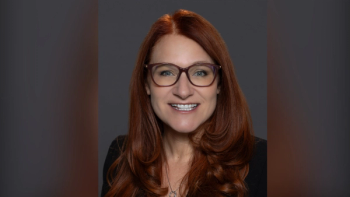
It’s also about knowing when you’re stuck and need a reset.

Eli Lilly reported late-stage data showing patients with obesity were able to maintain long-term weight loss after transitioning from higher-dose injectable incretin therapies to lower-dose Zepbound or the company’s oral GLP-1 candidate Foundayo.

Rigel Pharmaceuticals has licensed Veppanu, positioning the company to expand into protein degradation-based oncology treatments for ESR1-mutated metastatic breast cancer.
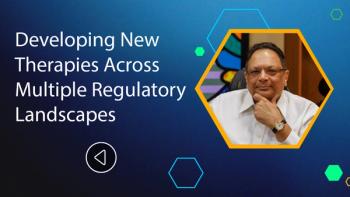
Ketan Mehta provides examples of how he’s developed new therapies that address both regulatory concerns and patient needs.

Dr. Jeremy Levin discusses the importance of relying on scientific fact to make decisions in biotech research.
Reports also claim that Kyle Diamantas will serve as acting head of FDA.
Boehringer Ingelheim has licensed a preclinical antibody program from Immunitas Therapeutics for inflammatory diseases, signaling continued demand for earlier-stage immunology assets.

Bristol Myers Squibb and Hengrui Pharma launch a multibillion-dollar collaboration spanning 13 oncology, hematology, and immunology programs to expand global drug development pipelines and accelerate early-stage clinical innovation.

Jamie Singer and Matt Flora discuss how cybersecurity threats in pharma are evolving beyond ransomware to include data extortion, supply chain attacks, and AI-driven risks.

The looming patent cliff exposes a deeper industry challenge, as biopharma companies face up to $400 billion in at-risk revenue while struggling to translate abundant data into actionable insight needed to compete in increasingly crowded markets.
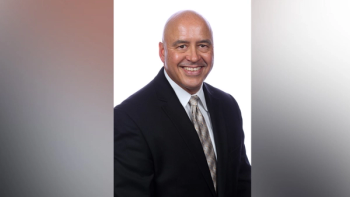
In an exclusive Q&A, Dean Erhardt discusses how fragmented onboarding processes delay therapy starts, along with noting how poor communication, limited visibility, and system misalignment is driving patient disengagement.
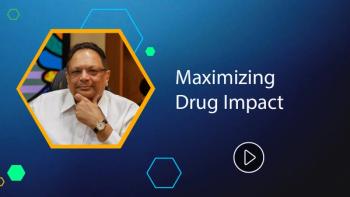
Tris Pharma CEO Ketan Mehta explains how addressing a drug’s impact can improve patient experience.

Gibb Witham, president at Hack The Box, discusses how persistence, sector-specific expertise, and practical execution skills can help candidates break into venture capital despite the industry’s highly competitive and relationship-driven hiring landscape.
In today's Pharmaceutical Executive Daily, GSK enters an exclusive collaboration with Sino Biopharmaceutical's CTTQ subsidiary to accelerate the launch of bepirovirsen, the FDA approves Bizengri under the Commissioner's National Priority Voucher program, and President Trump has signed off on a plan to fire FDA Commissioner Marty Makary.
FDA has approved Partner Therapeutics’ Bizengri for NRG1 fusion-positive cholangiocarcinoma, expanding precision oncology options for a rare subset of gastrointestinal cancer patients with limited targeted treatment alternatives.

GSK partners with Sino Biopharmaceutical’s CTTQ unit to support the launch of hepatitis B candidate Bepirovirsen in mainland China, leveraging a commercial network spanning more than 5,000 medical centers.