




Pharmaceutical Executive
As more states approve the use of medical marijuana-and its rising profile as potential opioid alternative-industry and FDA are stepping up their focus on developing cannabis-derived therapies.
Pharmaceutical Executive
As more states approve the use of medical marijuana-and its rising profile as potential opioid alternative-industry and FDA are stepping up their focus on developing cannabis-derived therapies.
Pharmaceutical Executive
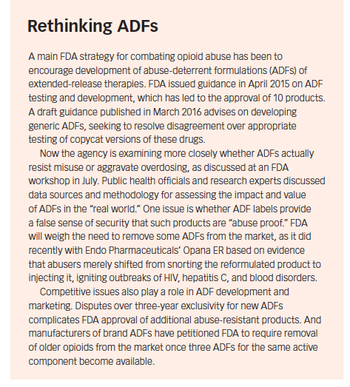
The growing toll requires new assessment of risks, expanded provider education, and more scrutiny of marketed products.

Pharmaceutical Executive
The agency’s new commissioner unveiled new digital health pilot programs to help navigate regulatory requirements.

Value frameworks are now "sexy". In the US, no fewer than five have emerged since around 2015. Leela Barham discusses how the value assessment landscape is evolving.
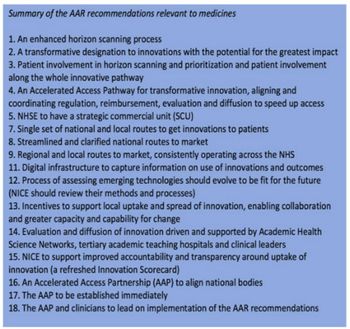
The UK's proposed Accelerated Access Review is being dogged by delay and disappointment, writes Leela Barham.
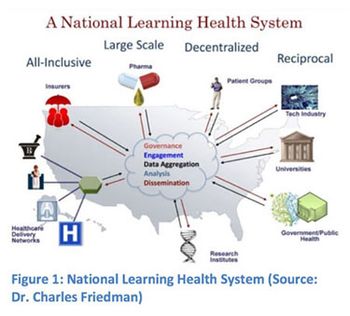
The FDA's Mary Ann Slack outlines how the Agency is working to adopt electronic practices by initiating efforts to simplify the submission process for new drug and generic drug applications.
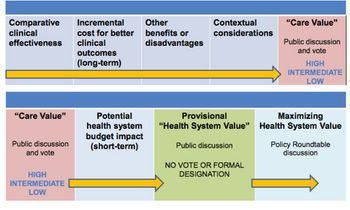
With the US Institute for Clinical and Economic Review (ICER) looking like it is here to stay, Leela Barham considers how its value framework is evolving.
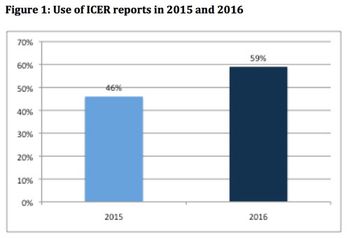
In the second of her articles on US value assessment, Leela Barham reviews the emergence of multiple frameworks and looks at their potential impact.

To gain better alignment of coverage and risk, evidence-based arguments are critical during the underwriting process.

Pharmaceutical Executive
Three messages that resonated from this year’s annual meeting of the Drug Information Association.
The FDA ruling that exempts biosimilar makers from waiting an extra six months after approval to distribute a new product should help overcome delays in future biosimilar sales, writes Jill Wechsler.
Pharmaceutical Executive
Last week’s EFPIA and EU Health Council annual conferences highlighted the growing divisions-and resentments-between industry and governments on drug pricing. Reflector reports.
Congressional measures lack the support to move forward, writes Jill Wechsler.
Pharmaceutical Executive
A look at evidence and value in a time of social and policy change.
Pharmaceutical Executive

The Center for Biologics Evaluation and Research is gearing up to facilitate the development and approval of regenerative medicine advanced therapies (RMAT), as defined by the 21st Century Cures Act.
Pharmaceutical Executive
The Senate confirms Scott Gottlieb as FDA commissioner. User fee reauthorizations, a hiring freeze, and the opioid epidemic are a few of the issues awaiting the agency's new leader.
There will be 13 full-time positions dedicated to creating and providing guidance in the emerging subject area.
The agency hopes to better use global resources and avoid duplicate inspections of foreign facilities.
Effectively addressing prior authorization challenges as part of a company’s core sales and marketing tactics can yield tangible and substantial benefits, writes Dan Rubin.