





Regulatory
Latest News
Advertisement
Latest Videos









Advertisement
More News

Harpreet Singh, MD, notes that the FDA’s broader shift toward accepting single pivotal trials reflects an evolution in regulatory thinking, while noting the agency still weighs disease severity, unmet need, trial design, and long-term safety

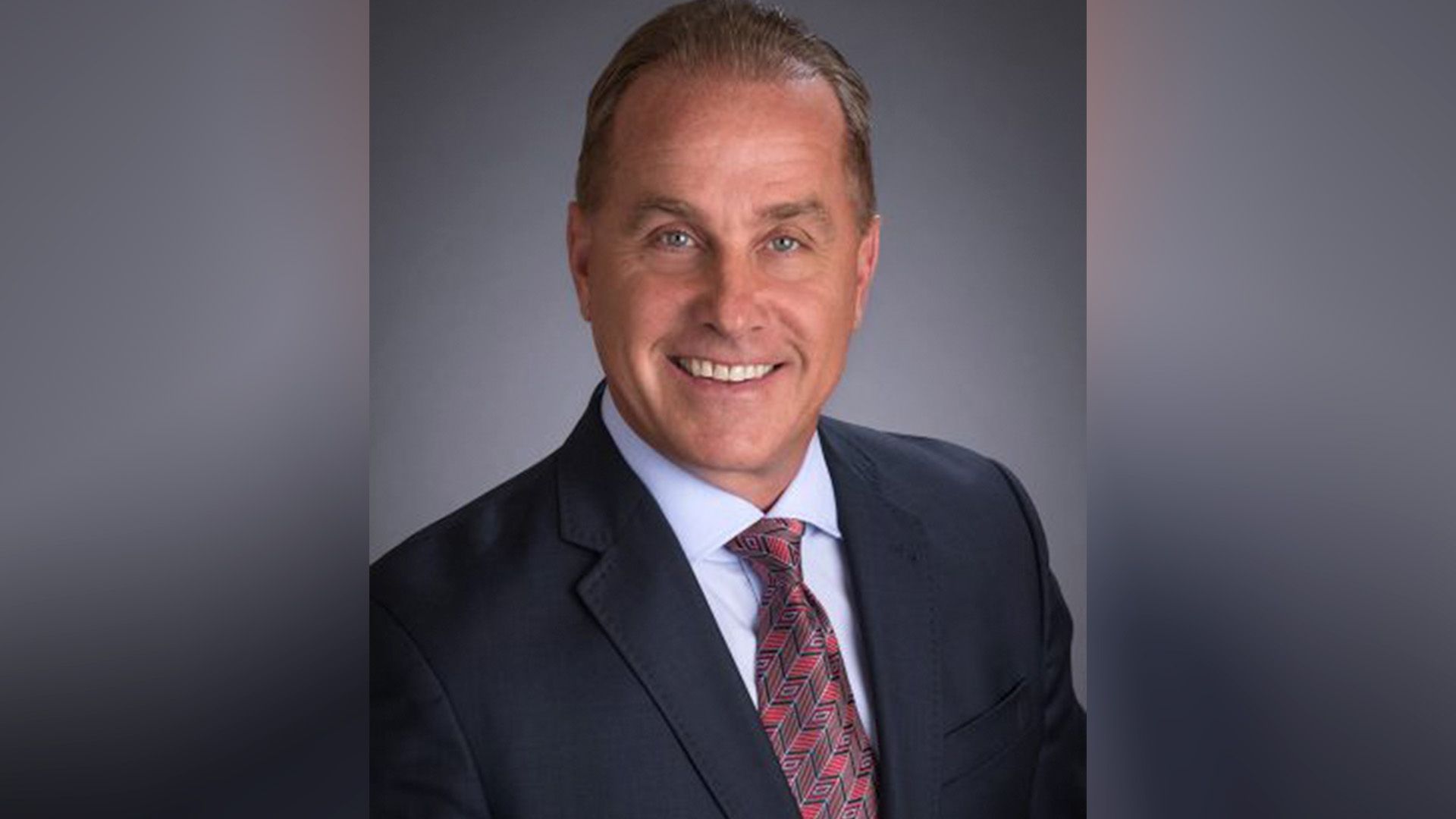
David Crean, chief business officer at MedicNova, highlights bifurcation in regulatory processes at FDA.
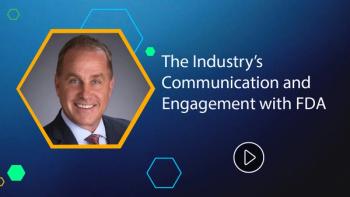
MedicNova’s chief business officer David Crean explains how well-intentioned but poorly executed programs at FDA are causing tension between the agency and the industry.

Dr. Richard Graham discusses the distinction between real-time data and real-time oversite and how one option may present better results than the other.

Dr. Richard Graham details how real-time data review may reduce timelines but also allow for bad data or outcomes.
Investors seeking predictability are adjusting their strategies in the current regulatory environment.

FDA undergoes leadership upheaval, leaving key drug and biologics divisions under interim control and raising concerns over regulatory continuity amid turnover at the agency’s highest levels.

FDA approved Baxfendy for adults with uncontrolled hypertension, introducing a new drug class in a large and competitive market.

FDA expanded Enhertu (trastuzumab deruxtecan) use in early HER2-positive breast cancer based on phase 3 neoadjuvant and adjuvant trial data.

Dr. Richard Graham explains how FDA’s new program allows for the usage of real-time data during clinical trials.

Author Jeremy Levin discusses how various factors are impacting the biotech industry in a negative way by pushing investment and politics over science.
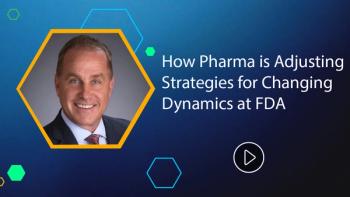
David Crean, chief business officer at MedicNova, discusses changes at FDA causing variability and unpredictability in regulatory approvals.

FDA approved AstraZeneca’s Fasenra for hypereosinophilic syndrome in patients aged 12 and older, expanding the IL-5 receptor-targeting therapy into a third eosinophil-driven disease with limited treatment options.
FDA has approved BeOne Medicines’ Beqalzi for relapsed or refractory mantle cell lymphoma and Taiho Oncology’s Inqovi plus venetoclax for newly diagnosed acute myeloid leukemia, expanding treatment options for patients with difficult-to-treat blood cancers.

Dr. Jeremy Levin explains how the current media environment allows for misinformation spread, and the impact it has on trust in medicine.

Dr. Jeremy Levin discusses the importance of relying on scientific fact to make decisions in biotech research.
Reports also claim that Kyle Diamantas will serve as acting head of FDA.
FDA has approved Partner Therapeutics’ Bizengri for NRG1 fusion-positive cholangiocarcinoma, expanding precision oncology options for a rare subset of gastrointestinal cancer patients with limited targeted treatment alternatives.
FDA extended its review of Leqembi’s once-weekly subcutaneous starting dose for early Alzheimer’s disease by three months after requesting additional information from Eisai and Biogen.

Zentails announced the first dosage of Azenosertib administered in its phase III Aspenova trial to test azenosertib vs chemotherapy in Cyclin E1-positive platinum-resistant ovarian cancer.

FDA clears Cellenkos’ IND for CK0802, enabling a mid-stage trial in steroid-refractory GVHD.

Policy changes like Most-Favored Nation (MFN) Pricing are creating new operational requirements for pharmaceutical companies to prove every dollar delivers value.

FDA approves Auvelity for Alzheimer’s-related agitation, marking the first therapy targeting NMDA and sigma-1 receptors for this high-burden neuropsychiatric symptom and expanding treatment options for millions of patients.

Kaida Biopharma’s chair and acting CEO discusses how President Trump’s MFN policies and other regulatory actions are impacting pharma’s ability to invest in new treatments and adjusting international launch strategies.

Rocket Pharmaceuticals sells it's priority review voucher for $180M, securing non-dilutive funding to extend runway and advance gene therapy pipeline.
Advertisement
Advertisement
Trending on PharmExec
1
HHS Confirms Four Senior FDA Leaders, Including Agency's First-Ever AI Deputy Commissioner
2
Kura Oncology Spins Out Caspian Therapeutics With $50 Million to Test Menin Inhibition as a Disease-Modifying Approach to Diabetes
3
How Elevated Cortisol Levels Can Impact Type II Diabetes Treatments
4
IBD's Most Persistent Gap: Q&A with Christian Thienel
5