





Regulatory
Latest News
Advertisement
Latest Videos







Advertisement
More News

FDA approves Caplyta for relapse prevention in schizophrenia, adding long-term Phase III data showing a 63% reduction in relapse risk and reinforcing its role in sustained disease management.
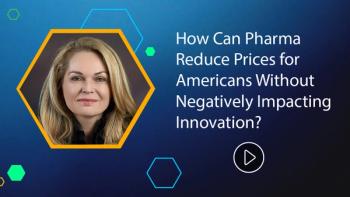
Dr. Stella Vnook discusses how pricing transparency and VBC might have a more positive impact than MFN and other pricing regulations.

FDA granted Compass Pathways with a rolling review for COMP360, a proprietary formulation of synthetic psilocybin, in treatment-resistant depression.

FDA issues Complete Response Letter to AbbVie’s trenibotulinumtoxinE, delaying a potential first-in-class aesthetic neurotoxin over manufacturing questions despite no identified safety or efficacy concerns.

Traditional randomized trials are often impractical for treatments in the rare and ultra rare disease space.
Early clinical data from the CHORD trial supported accelerated approval of the first gene therapy targeting OTOF-related hearing loss under the FDA Commissioner’s National Priority Voucher program.

FDA expands its approval of Tzield to children as young as one with stage 2 type 1 diabetes, extending the first disease-modifying therapy into an earlier, high-risk population to delay progression to insulin-dependent disease.

FDA Expands Approval for Dupixent for Young Children with Uncontrolled Chronic Spontaneous Urticaria
FDA expands Dupixent approval to children aged 2–11 with chronic spontaneous urticaria, marking the first biologic option for this population and extending its reach across type 2 inflammatory diseases.

The Trump administration’s new executive order aims to accelerate FDA review of psychedelic therapies for mental health conditions, highlighting a potential shift in regulatory timelines and expanded access pathways,

Samsung Bioepis’ SVP and head of US commercial discusses the pricing, regulatory, and broader issues impacting the biosimilars market.
The President also announced a number of other key leadership appointments at federal health agencies.

A new ICER white paper calls for reforms to the FDA’s accelerated approval pathway, citing ongoing challenges with regulatory consistency, confirmatory trial delays, and transparency.

Eli Lilly releases new safety data after FDA requested additional data to conduct extensive post-approval safety studies for Foundayo, including long-term monitoring of cardiovascular, liver, and thyroid cancer risks.

Imran Khan, Md, PhD, Vice President of U.S. medical affairs for hematology, oncologist, Johnson & Johnson, discusses why J&J was chose for the CNPV program and it's experience during the process.

Elevating real-world data (RWD) to the status of regulatory-grade evidence will bring both opportunity and challenges to the industry.
The IRA and MFN are affecting decisions made all throughout the entire drug development process.
Replimune received a second FDA complete response letter for RP1 in advanced melanoma, raising questions about the viability of its oncolytic immunotherapy program.
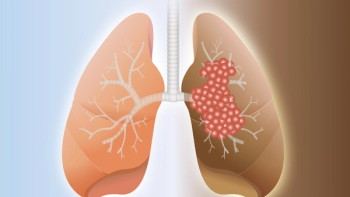
China approved Amgen’s tarlatamab for previously treated small cell lung cancer, expanding access to the bispecific immunotherapy.

Dan Bell, chief strategy officer at Marken, discusses how biopharma companies and logistics teams are responding to the dual disruptors to global supply chain operations.

Dismissing the role of independent, outside experts in FDA decision-making weakens the drug review process.

Imunon’s CEO discusses how FDA allowing the Bayesian method impacts innovation in the clinical trial space.

Pharmaceutical companies that made MFN deals with the Trump administration will be exempt from the tariffs, along with other exemptions.
Since the start of President Trump's second term, the FDA, CDC, CDER, and CBER have collectively cycled through more than a dozen leadership changes.

ADVI’s head of market access policy strategy discusses how the Trump administration’s efforts.
FDA has approved Foundayo, Eli Lilly's once-daily oral GLP-1 receptor agonist, as the first small molecule pill of its kind for obesity.
Advertisement
Advertisement
Trending on PharmExec
1
HHS Confirms Four Senior FDA Leaders, Including Agency's First-Ever AI Deputy Commissioner
2
Kura Oncology Spins Out Caspian Therapeutics With $50 Million to Test Menin Inhibition as a Disease-Modifying Approach to Diabetes
3
How Elevated Cortisol Levels Can Impact Type II Diabetes Treatments
4
IBD's Most Persistent Gap: Q&A with Christian Thienel
5