
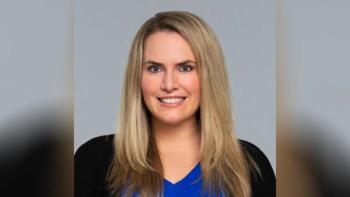
ADVI’s head of market access policy strategy discusses how the Trump administration’s efforts.
ADVI’s head of market access policy strategy discusses how the Trump administration’s efforts.

Soley Therapeutics’ CEO and co-founder discusses the importance of understanding why some cells survive under stress and others don’t.
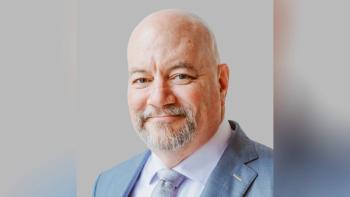
Mindsets must shift from increasing headcount to prioritizing competency-based training and systems.

FDA has approved Foundayo, Eli Lilly's once-daily oral GLP-1 receptor agonist, as the first small molecule pill of its kind for obesity.
In today's Pharmaceutical Executive Daily, the Trump administration delays its appeal of the federal ruling blocking RFK Jr.'s vaccine policy overhaul as political pressures mount ahead of the midterm elections, Biogen agrees to acquire Apellis Pharmaceuticals in a deal valued at approximately $5.6 billion, and Pharmaceutical Executive examines the risk-reward calculus facing R&D leaders in today's volatile development environment.
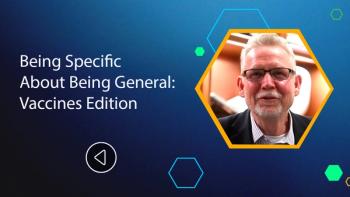
Christopher Locher, PhD, CEO, Versatope Therapeutics, Inc., discusses how emerging vaccine platforms are advancing the pursuit of a universal influenza vaccine, while highlighting the scientific, regulatory, and economic barriers that continue to shape its path to reality.

A federal court setback on childhood vaccine policy has left the White House weighing legal options against electoral risks, as it navigates pressure from its MAHA base alongside broader public support for immunization programs.

Biogen acquires Apellis Pharmaceuticals in a deal that brings two marketed complement therapies into its portfolio, strengthening its position in immunology.
Why balancing risk factors to foster breakthrough science remains one of the key challenges in R&D leaderships.
MFN policies are likely to impact more than pricing, and drug companies may alter drug launch plans in the future.
In today's Pharmaceutical Executive Daily, Novo Nordisk launches the first multi-month subscription program for Wegovy targeting cash-paying patients through telehealth partners, Merck enters an $838 million research collaboration with antibody discovery startup Infinimmune, and Eli Lilly agrees to acquire Centessa Pharmaceuticals in a deal valued at up to $7.8 billion to expand into sleep-wake disorder treatments.
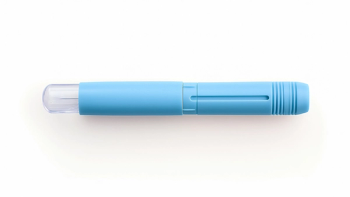
Novo Nordisk launched a multi-month Wegovy subscription program offering fixed monthly pricing through telehealth providers, aiming to improve affordability and long-term adherence among self-pay patients.
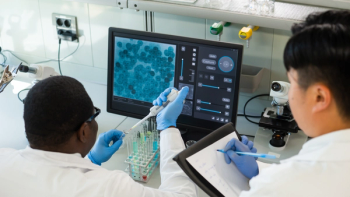
Merck is partnering with Infinimmune in a deal worth up to $838 million to leverage AI-driven antibody discovery.

Eli Lilly agreed to acquire Centessa Pharmaceuticals for approximately $7.8 billion, expanding its neuroscience pipeline.
Yerem Yeghiazarians, MD, explains how understanding how various cells react differently to stress impacts how damaged cells may potentially be treated.
Drug pricing restrictions are likely to impact drug launches, especially for medications expected to be sought after by Medicare patients.

Approval of Biogen's high-dose Spinraza strengthens the company’s lifecycle strategy in SMA, enhancing durability while reinforcing competitive positioning in a rapidly evolving neurology market.
In today's Pharmaceutical Executive Daily, Eli Lilly presses the U.K. government to overhaul its NHS drug pricing framework as a condition of resuming investment in the country, Lilly also announces a deal worth up to $2.75 billion with AI drug discovery company Insilico Medicine to accelerate development of novel therapeutics across multiple disease areas, and Pharmaceutical Executive speaks with the co-founder and CEO of Soley Therapeutics about the company's biology-first approach to drug discovery.

Eli Lilly warns that the UK's current framework is undermining investment and could impact future launches and manufacturing decisions.

The agreement grants Lilly an exclusive worldwide license to a portfolio of preclinical oral therapeutics.
As opposed to starting with a target disease, Yerem Yeghiazarians, MD discusses how Soley instead focused on developing a method of identifying broad compounds.
In today's Pharmaceutical Executive Daily, Novartis agrees to acquire Excellergy for up to $2 billion to advance a next-generation anti-IgE therapy while Otsuka moves to acquire Transcend Therapeutics in a deal valued at up to $1.225 billion, the FDA approves two first-of-their-kind therapies in Novo Nordisk's once-weekly basal insulin Awiqli and Rocket Pharmaceuticals' gene therapy Kresladi for a rare pediatric immune disease, and a new commentary argues that orphan drug manufacturers should be proactively evaluating risk contracting as a hedge against an emerging downward pricing environment.
While they may be linked, the administration’s DTC drug coupon site is not necessarily the entirety of its MFN efforts.
Kresladi becomes the first FDA-approved gene therapy for children with severe LAD-I due to biallelic variants in ITGB2, and Awiqli the first and only once-weekly basal insulin treatment for adults with type 2 diabetes.

Novartis and Otsuka Pharmaceutical are advancing deals to expand pipelines in allergy and psychiatry, with Novartis targeting next-generation anti-IgE therapy and Otsuka betting on a rapid-acting PTSD treatment.
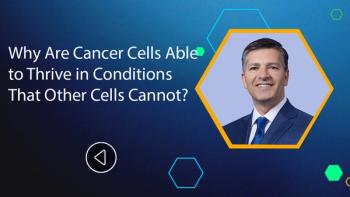
Yerem Yeghiazarians, MD, discusses the importance of understanding why certain cells (like cancer cells) can survive in situations that would kill other healthy cells.
In today's Pharmaceutical Executive Daily, the Trump administration misses a statutory deadline to nominate a permanent CDC director, leaving the agency in continued leadership limbo, the FDA grants accelerated approval to Denali Therapeutics' Avlayah as the first therapy designed to cross the blood-brain barrier and treat the neurological manifestations of Hunter syndrome, and a new commentary breaks down what CMS's updated ASP reporting requirements mean for Part B drug manufacturers ahead of a key April deadline.

The White House postponed naming a permanent CDC director as the Trump administration navigates competing political pressures ahead of midterm elections.
FDA has granted accelerated approval to Avlayah, the first therapy engineered to cross the blood-brain barrier and treat the neurological manifestations of Hunter syndrome.

For pharma products, ensuring proper delivery requires the majority of work to occur before the product hits the road.