

The compounding pharmacy acquired Taylors Pharmacy and Key Compounding Pharmacy.
The compounding pharmacy acquired Taylors Pharmacy and Key Compounding Pharmacy.

Body Vision’s AI-powered LungVision image system earned a place in Vizient’s innovative technology program.

Approval of the Mynx Control Venous vascular closure device was based on results from the ReliaSeal trial, which demonstrated 100% procedural and device success in cardiac ablation procedures.

Executives in the life sciences and medical device industries see promise in artificial intelligence (AI) and medical technologies, but must also navigate the changing healthcare ecosystem, varied stakeholder needs, and the impact of AI on market access and commercialization strategies.

Acquisition of Morphic is aimed to enhance treatment options for inflammatory bowel disease and expand Lilly's gastroenterology portfolio.

In an interview with Pharm Exec Associate Editor Don Tracy, Kathy Lee-Sepsick, Founder, CEO, Femasys, discusses results of the Femaseed pivotal trial, Fembloc birth control, and how the outcome of the 2024 United States presidential election could impact women's health.

Results from the Phase III STREAM Stage 2 study show the efficacy and safety of an all-oral bedaquiline-containing regimen for multidrug-resistant pulmonary tuberculosis.

The Vabysmo prefilled syringe is designed to simplify administration for retina specialists, improving the treatment experience for both physicians and patients with wet age-related macular degeneration, diabetic macular edema, and macular edema following retinal vein occlusion.
The company announced that it had received certification from BSI Medical Devices.
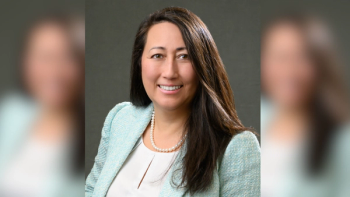
In an interview with Pharm Exec Associate Editor Don Tracy, Kathy Lee-Sepsick, Founder, CEO, Femasys, offers a description of how Femaseed works to support women who struggle with infertility.

MTX325 is in Phase I trials and is believed to be able to modify the course of the disease.

Funding from the Biomedical Advanced Research and Development Authority (BARDA) is expected to support the late-stage development and licensure of a pre-pandemic vaccine targeting the H5 influenza virus.

The platform is similar to other recent digital platforms in that it is designed to reduce drug costs.

The company announced that it has partnered with Adena Health and The Ohio State University Health Plan Solutions.

Kisunla is the first amyloid plaque-targeting therapy that allows for stopping treatment upon plaque removal, company says.
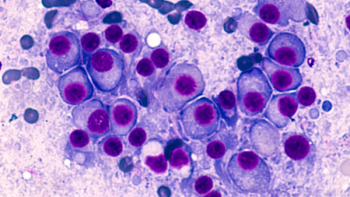
Results of the Phase III CARTITUDE-4 study showed that treatment with Carvykti achieved a more significant improvement in overall survival (OS) compared to standard therapies.

The Fast Track designation for INZ-701 was based nonclinical pharmacology data and preliminary safety and efficacy data from the ongoing Phase I/II trial of INZ-701 in adults with ABCC6 Deficiency.

Patients who received PrimeC reportedly saw significant impact to the disease’s progression.

As previously announced, Michael assumed the role on July 1.

Reportedly, the liquid formulation of Tepylute eliminates the need for complex and time-consuming reconstitution, providing consistent dosing accuracy and allowing for timely preparation.

Approval of both NRX-101 and NRX-100 could potentially yield more than $150 in revenue per NRXP share in the near term, company says.
The latest news for pharma industry insiders.
The platform utilizes standards set forth in a recently published document from the CDC.

The inclusion of Vaxelis in the CDC’s preferential recommendations is expected to influence vaccine administration strategies and public health policies in high-risk populations moving forward.

A Q&A with Russell Reynolds’ Global Lead of CEO & Executive Transition Practice, Ty Wiggins, PhD.

Ohtuvayre is the first inhaled product with a novel mechanism of action for chronic obstructive pulmonary disease to be approved in 20 years.

In an interview with Pharm Exec Associate Editor Don Tracy, Leonard Mazur, Co-founder, CEO, Citius Pharmaceuticals, offers an update on the recently accepted Biologics License Application for Lymphir by the FDA and other candidates currently in the Citius pipeline.

AbbVie will add CEL383 to its pipeline.
UltraSight will join the AI marketplace.

The Complete Response Letter was issued as a result of inspection findings at a third-party manufacturing facility, unrelated to patritumab deruxtecan’s efficacy or safety in patients with advanced or metastatic EGFR-mutated non-small cell lung cancer.