





Accelerated approval was based on results from the Phase Ib Beamion-LUNG 1 trial (NCT04886804), which showed a 75% objective response rate in patients with unresectable or metastatic non-squamous non-small cell lung cancer treated with Hernexeos.

Accelerated approval was based on results from the Phase Ib Beamion-LUNG 1 trial (NCT04886804), which showed a 75% objective response rate in patients with unresectable or metastatic non-squamous non-small cell lung cancer treated with Hernexeos.

Modeyso is the first and only approved treatment for recurrent H3 K27M-mutant diffuse midline glioma in patients aged one year and older.

Ajovy becomes the first-and-only calcitonin gene-related peptide agonist approved for pediatric patients aged six to 17 years with episodic migraine who weigh at least 99 lbs.

The supplemental New Drug Application is supported by data from the Phase II TRANSCEND FL trial (NCT04245839), which showed that patients treated with Breyanzi for relapsed or refractory marginal zone lymphoma demonstrated strong and lasting responses.

The updated label no longer requires Leqvio (inclisiran) to be used in combination with statins for low-density lipoprotein cholesterol management.

Regeneron has received a second complete response letter from the FDA for odronextamab and anticipates delays for Eylea HD due to inspection findings at a Novo Nordisk-owned manufacturing site, despite continued strong revenue growth and pipeline momentum.

Approval is based on results from the Phase III VALIANT trial (NCT05067127), in which Empaveli demonstrated a 68% reduction in proteinuria, stabilization of kidney function, and a significant reduction in C3 deposits in patients with C3 glomerulopathy or primary immune complex membranoproliferative glomerulonephritis.

Following a complete response letter rejecting accelerated approval for RP1 in advanced melanoma, IGNYTE trial investigators are urging the FDA to reevaluate the therapy’s robust survival data, just as agency leadership changes raise new questions.
The FDA’s top vaccine and gene therapy official resigned amid heightened scrutiny over recent drug approval decisions and safety concerns surrounding gene therapies.

The extended review for Elinzanetant is supported by data from the Phase III OASIS 1, 2, and 3 trials, which supported the drug’s efficacy in the treatment of moderate to severe vasomotor symptoms due to menopause.

The regulatory actions were based on results from the Phase III MATTERHORN trial (NCT04592913), which showed that a perioperative Imfinzi-based regimen, given before and after surgery with chemotherapy, reduced the risk of disease progression, recurrence, or death by 29% in patients with early-stage gastric and gastroesophageal junction.
A deep dive into the implications of the Replimune CRL that surprised insiders and investors, the role of new leadership at FDA’s CBER, and how industry can navigate the path forward.
With reports that FDA’s AI Elsa is “confidently hallucinating” studies that don’t exist, the use of AI to streamline drug review and speed up approval is not here yet.

Neha Anand, Analyst, Biopharma Intelligence Services, Citeline, explains how the approval of Emrelis marks a pivotal moment for ADC therapies in oncology, reflecting the FDA’s growing confidence in their safety and efficacy and accelerating the shift toward precision medicine in cancer treatment.

The FDA’s complete response letter cited concerns that the Phase I/II IGNYTE (NCT03767348) trial in advanced melanoma was not an adequate, well-controlled study and that its heterogeneous patient population limited interpretability, preventing approval in its current form.

The submission is supported by four Phase III clinical trials, which showed that icotrokinra demonstrated significant skin clearance in patients with moderate to severe plaque psoriasis.

The newly approved prefilled syringe version of Shingrix is expected to simplify administration and supports efforts to increase adult vaccination against shingles (herpes zoster).

Priority review was based on results from the Phase IIb SunRISe-1 trial, which showed that patients treated with TAR-200 for high-risk non-muscle invasive bladder cancer showed a complete response rate of 82.4%.

Approval of Kerendia was based on results from the Phase III FINEARTS-HF trial, which demonstrated statistically significant and clinically meaningful reductions in cardiovascular events across a broad range of patients with heart failure.

The new drug application is supported by 48-week data from the Phase III MK-8591A-051 and MK-8591A-052 trials, which showed that the doravirine/islatravir combination was non-inferior to both baseline antiretroviral therapy and to bictegravir/emtricitabine/tenofovir alafenamide in treating HIV.

Approval was based on results from the Phase IIIb TRAILBLAZER-ALZ 6 trial, which showed that Kisunla achieved comparable efficacy in amyloid plaque and P-tau217 reduction while lowering the risk of amyloid-related imaging abnormalities with edema or effusion in patients with early Alzheimer disease.

The full approval of Spikevax covers children aged six months through 11 years who are at increased risk for severe COVID-19, transitioning the vaccine from emergency use to full licensure.
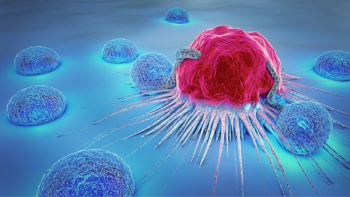
The drug is currently in Phase 1 clinical trials for gastric cancer treatments.

Approval was based on results from the DOORwaY90 trial, which demonstrated a 98.5% overall response rate and 100% local tumor control in patients treated with the SIR-Spheres Y-90 resin microspheres for unresectable hepatocellular carcinoma.

Ekterly becomes the first FDA-approved oral on-demand treatment for hereditary angioedema in patients aged 12 years and older.