





Operations
Latest News
Advertisement
Latest Videos




Shorts
1:18
Pharma 50: The Trends Behind the Numbers
6 days ago
by
Michael Christel
0:27
The Key to AI Scale-Up
2 months ago
by
Michael Christel(+1 more)
0:38
Europe’s Innovation Edge?
6 months ago
by
Michael Christel(+1 more)

0:46
#1: Pharma’s Finest
8 months ago
by
Michael Christel

0:56
#2: AI’s Ascent
8 months ago
by
Michael Christel

0:53
#3: Pharma 50 Milestone
8 months ago
by
Michael Christel

0:55
#8: State of Industry Survey
9 months ago
by
Michael Christel
Advertisement
More News

Simcere Zaiming has licensed its first-in-class tri-specific CD79a/CD19/CD3 T-cell engager Sim0660 to Roche for up to $1.53 billion, including a $75 million upfront payment.

GSK is advancing its mRNA seasonal influenza vaccine candidate FLUm3HA.b-3NA into a Phase III efficacy trial starting in September.

Eli Lilly has agreed to acquire Merida Biosciences for up to $2.875 billion to gain a precision autoantibody degradation platform led by MER511.

BioNTech and Genentech elect to end their Phase II trial of autogene Cevumeran after DSMB identified a numerical overall survival imbalance and recommended to terminate.

Osivax and GC Biopharma agree to co-develop an influenza vaccine combining Osivax's OVX836 with GC Biopharma's GC FLU.

Biohaven grants SK Biopharmaceuticals an exclusive worldwide license to its Kv7 ion channel platform, while Haisco licenses a preclinical type 2 inflammatory disease asset to newly formed Sentivera.
McKesson has agreed to acquire Precision Medicine Group for $2.25 billion, while Lundbeck has expanded its partnership with Eversana to scale AI-driven workflows.
Amplitude Therapeutics enters a collaboration with Eli Lilly to develop trans-amplifying RNA vaccines, while Chai Discovery partners with Bristol Myers Squibb to deploy its AI molecular folding and design models across BMS's antibody discovery portfolio.

Rohit Tripathi, VP of Industry Strategy at RELEX, talks with Pharmaceutical Executive about the impact new phased tariffs will have on reshoring pharma manufacturing.

In pharma's AI transformation, the technology was never the hard part — fixing the operating model that has to act on what AI surfaces is.
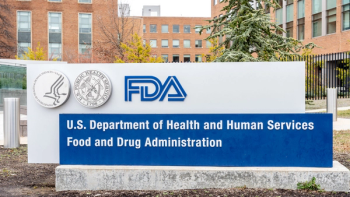
President Trump has reportedly selected White House Domestic Policy Council deputy director Heidi Overton as his nominee for FDA commissioner.
LEO Pharma agrees to acquire dersimelagon, OmniAb signs a ion channel discovery collaboration with Eli Lilly, Chugai grants GSK an exclusive worldwide license to AID351, and BioMarin acquires Alesta Therapeutics to gain ALE1.

MedAdvisor Solutions has rebranded as Adheris, restoring a name that has been a fixture in patient engagement for more than three decades.

A changing of the guard atop Pharm Exec’s latest listing of the top biopharma Rx revenue producers reflects an industry being remade in real time, becoming as much a map of franchise quality and market momentum as it is the strategic shifts and bets necessary to turn today’s disruption into tomorrow’s growth.

As trust shifts from a stated value to an operating condition, pharmaceutical leaders face new expectations for how credibility is built, governed and sustained under continuous scrutiny.

Q&A with PwC’s Glenn Hunzinger explores why biopharma M&A investment could approach $300 billion in 2026, how drugmakers are balancing risk amid patent cliffs and policy pressures, and the urgent need to transform healthcare as commercial medical costs climb toward 9%.

From guiding pursuits in artificial intelligence and R&D to scientific marketing and company building, meet Pharm Exec’s new slate of select rising leaders who are helping to shape the next generation of biopharma innovation.
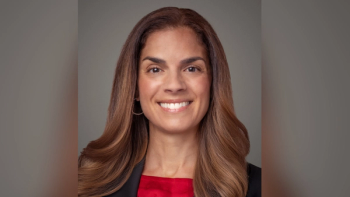
Rena Denoncourt, chief operating officer at Corsera Health, discusses the operational challenges of building a startup and how she balances prioritization with the flexibility drug development demands.

Silence Therapeutics and AbCellera launched respective common share public offerings, and Beyang Therapeutics and Remepy closed $30+ million oversubscribed Series A rounds.

Why pricing pressure, policy volatility and supply-chain risk are pushing drugmakers toward greater cost and portfolio discipline, without losing sight of investment in innovation.

Mereo BioPharma has granted Sentynl Therapeutics an exclusive option to commercialize alvelestat in the U.S. for Alpha-1 Antitrypsin Deficiency-Associated Lung Disease.

Renewal of FDA's Priority Review Voucher program is driving a rebound in U.S. rare disease biotech investment, while the UK continues to lag.

Why the industry must abandon its traditional top-down communications model and instead build trust through credible individuals, audience information habits and faster engagement in the peer-driven networks where health conversations now unfold.
BeOne Medicines and Revolution Medicines enter a two-part deal pairing BeOne's PRMT5 inhibitor and EGFR×MET trispecific antibody with Revolution's four clinical RAS(ON) inhibitors.

Such enterprises will be defined not only by breakthrough therapies but also by agile leadership, AI-enabled transformation and patient-centered operating models that accelerate innovation into real-world impact.
Advertisement
Advertisement
Trending on PharmExec
1
HHS Confirms Four Senior FDA Leaders, Including Agency's First-Ever AI Deputy Commissioner
2
Kura Oncology Spins Out Caspian Therapeutics With $50 Million to Test Menin Inhibition as a Disease-Modifying Approach to Diabetes
3
How Elevated Cortisol Levels Can Impact Type II Diabetes Treatments
4
IBD's Most Persistent Gap: Q&A with Christian Thienel
5