




Strategy
Latest News

April 3rd 2026
By Partha Anbil
Analysis of U.S. drug pricing reform in 2026 highlights how the Inflation Reduction Act, Medicare drug price negotiation, and most-favored-nation pricing initiatives are reshaping pharmaceutical pricing, limiting patent-driven market exclusivity, accelerating generic and biosimilar competition, and driving strategic shifts in market access, pricing models, and innovation priorities across the biopharma industry.
Advertisement
Latest Videos





Advertisement
More News

Fresh off 2025, where the sectors delivered strong stock gains and selective financing momentum despite volatile markets, companies navigate policy headwinds, patent cliffs, and shifting global innovation dynamics, factors that favor strategically driven growth pursuits ahead.

Pharma companies choosing between Salesforce and Veeva’s CRM has larger implications than many expect.

The business and market models drugmakers must continually adapt to stay competitive as 2026 progresses.
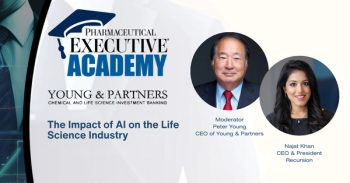
In this Pharmaceutical Executive Academy discussion, Najat Khan, PhD, CEO of Recursion Pharmaceuticals and former chief data science officer at J&J, explores the intersection of AI, pharma, and patient care — and the strategic pivots necessary to drive measurable and lasting gains across the value chain.

Competitive simulation is a powerful exercise for leaders and their teams, enabling them to move from strategy to execution in a safe environment.
Jay Bregman, CEO and co-founder of Andel, discusses how pharmaceutical companies and digital health platforms may need to rethink commercialization strategies, shifting away from costly mass-market advertising toward employer-focused distribution models.
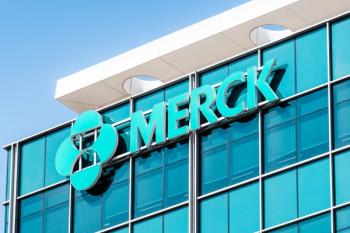
Merck’s decision to establish oncology as a standalone business unit reflects a strategic response to blockbuster concentration risk, lifecycle complexity, and intensifying competitive dynamics, as the company prepares for the anticipated loss of exclusivity of Keytruda and repositions organizational design as a lever for long-term value protection and growth.
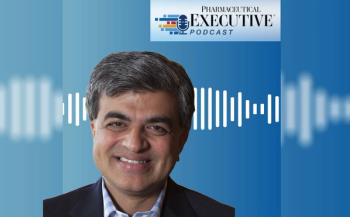
In this video episode, Pratap Khedkar, PhD, CEO of ZS, joins the Pharm Exec Podcast to discuss three distinct industry trends and strategy shifts converging at the moment amid the backdrop of US-driven global policy change.

EVERSANA’s president of Patient Services discusses using technology to bring a personalized approach to change care.
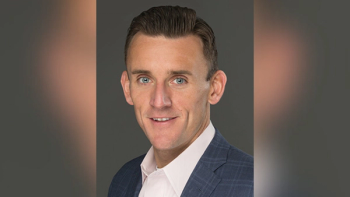
Three key takeaways from the JPM industry reset offer clear clues to how biopharma companies—and leaders—must adapt to stand out and ultimately thrive in 2026.

Eli Lilly's $1.5 billion pre-launch inventory of orforglipron signals an aggressive manufacturing strategy aimed at avoiding supply shortages and capturing early share in the competitive obesity market.

From lessons in risk-taking—and building “from zero”—to career-defining pivots, Leonard Mazur, CEO of Citius Pharmaceuticals, reflects on 50-plus years in pharma.

Special Guest Op-Ed: What a decade of collaboration and shared effort reveals about the future of drug development.

The shifting landscape amid China's biotech rises presents both opportunities and geopolitical challenges for growth strategies.

Ken Banta and Andrew Hall share insights on leading through uncertainty—covering culture, capital, risk, and the regulatory headwinds influencing key decisions in drug development.

By giving small and mid-size biotechs access to real-world data and advanced analytics once reserved for large pharma, AI platforms are leveling the playing field by enabling lean teams to de-risk clinical strategy, strengthen fundraising narratives, and make faster, more confident decisions across the development lifecycle.

How to optimize a pharma location strategy in unheralded but rich regions for biotech talent around the world.

EVERSANA president Greg Skalicky continues the conversation, providing details about the commercialization strategy.

Precigen's president and CEO discusses the recent launch of Papzimeos.

The AI dilemma facing biopharma—and what’s at risk.

Clarivate’s Drugs to Watch 2026 report highlights Eli Lilly’s late-stage cardiometabolic candidates orforglipron and retatrutide as the clear standouts in an obesity and diabetes market projected to reach $150 billion by 2035.

Can generics be liable for induced infringement despite carve-outs?

When approaching cell and gene therapies (CGT), investors want to back companies that demonstrate operational foresight. Here are five levers for building a CGT operating model that can tackle the category’s unique commercialization complexities.

Jim Greffet, head of sustainability at Eli Lilly, on establishing ESG as a core business driver—and key complement to manufacturer long-term growth pursuits.

As the availability and utilization of ultra-high-cost, long-term specialty products such as GLP-1s and cell and gene therapies grows, HR decision-makers and pharmacy consultants must embrace a more value-oriented mindset where they can.
Advertisement
Advertisement
Trending on PharmExec
1
The Most Important Lessons Learned from Building CGT Supply Chains: LogiPharma 2026
2
Roundup: TRexBio & Retension Pharmaceuticals Announce IPO Pricing
3
FDA Approves Tecentriq for Stage III dMMR Colon Cancer
4
Viatris Acquires Pacira BioSciences for $1.65 Billion
5