
Pharmaceutical Executive
At its annual business briefing, Merck surprised analysts with the announcement that it would be launching a new business in the biologics sector in an effort to create generic biotech drugs.
Pharmaceutical Executive
At its annual business briefing, Merck surprised analysts with the announcement that it would be launching a new business in the biologics sector in an effort to create generic biotech drugs.
Pharmaceutical Executive
It's beginning to look a lot like layoffs. Lilly and Sanofi-Aventis announce sales rep cuts amid an economic downturn and the holiday season.
Pharmaceutical Executive
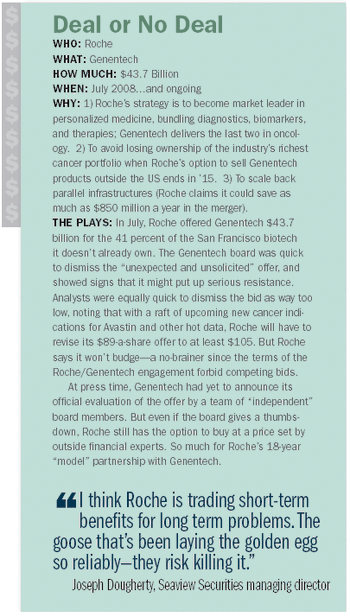
Everything you wanted to know about the year's most important deals-and what to watch for in the future
Pharmaceutical Executive
Online pharmacies are touting more than just Viagra. Here's what pharma is hoping to do about it
Pharmaceutical Executive
AstraZeneca is releasing 1,400 employees in Europe, and refocusing its packing system in an effort to move product closer to where the demand is. In this case, that's China.
Pharmaceutical Executive
Significant and dramatic healthcare policy changes are likely to follow after Barack Obama takes the oath of office and the expanded Democratic congressional majority settles in. But what does the electoral outcome mean for healthcare companies and the industry as a whole?
Pharmaceutical Executive
AstraZeneca caused a ruckus at the American Heart Association's annual meeting as data was released proving that its statin not only works for its target indication, but also reduced major CV events in patients who don?t have high cholesterol.
Pharmaceutical Executive
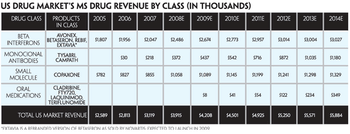
A five-year forecast of the multiple-sclerosis market following the disruptions of Tysabri
Pharmaceutical Executive
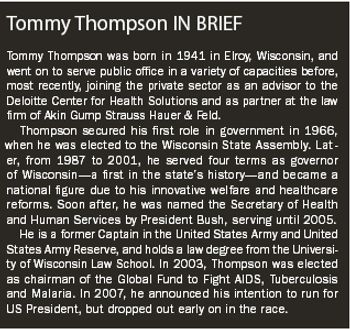
The former health secretary offers a reality check on healthcare reform-and what to expect from the pols in '09
Pharmaceutical Executive
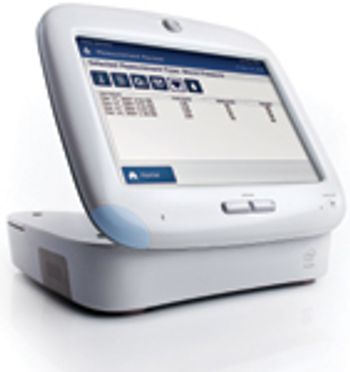
Here are the hottest gadgets and gizmos to make a dent in drug noncompliance
Pharmaceutical Executive
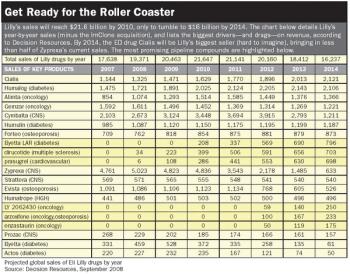
Some say it's just another pharma facing its patent cliff. But others say this company's got it worse. With new CEO John Lechleiter in charge, can Lilly find its way back from the edge?
Pharmaceutical Executive
Industry is cinching its belt, but news that Merck will shed 12 percent of its workforce - many senior and middle management positions - was a bombshell announcement.
Pharmaceutical Executive
New legislation gives US-based Web hosting companies the go-ahead to remove shady online pharmacies without a warrant. The new rule makes it harder to market counterfeit drugs, and for consumers to purchase medication without a prescription.
Pharmaceutical Executive
Novartis is the latest pharma company to move away from the traditional sales model of blanketing sales reps for one drug across the nation. The company is restructuring its force (and cutting jobs) to focus on a regional sales model.
Pharmaceutical Executive
Specialty drug firm Norgine splits from the British pharma association due to a growing rift about pricing. A "war of the roses" is escalating between Big Pharma and smaller drug manufacturers; Norgine could be the first casualty.
Pharmaceutical Executive
The pharma giant just announced major plans to break up its R&D divisions into smaller units targeting areas of growth. Marketing will be part of the restructuring plan, and there is good news: No new layoffs.
Pharmaceutical Executive
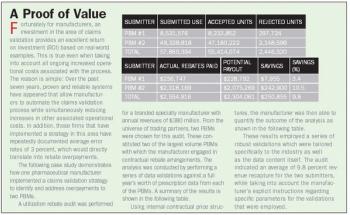
Manufacturers overpay PBMs millions of dollars each year in rebates overpayments. Here's how to stop the leakage.
Pharmaceutical Executive
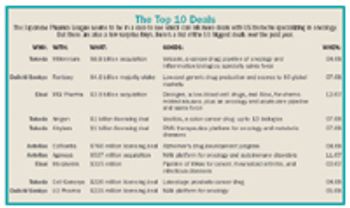
Japan is playing a game of catch-up, dropping big cash on biotechs and risky acquisitions. But with patents expiring and sales falling, can they really pay their way to global success?
Pharmaceutical Executive
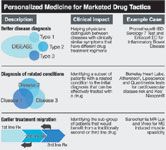
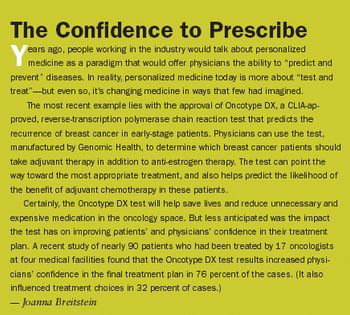
Stop worrying about shrinking the market for your drug, and start figuring out how the "test and treat" business model works.
Pharmaceutical Executive
Glaxo's cancer departments will be consolidated into one big division encompassing discovery, research, and trials. The move is expected to cost some jobs, but GSK hopes it will strengthen synergy within its R&D unit.
Pharmaceutical Executive
A new study from the NIMH shows that next-generation treatments for schizophrenia might not be any better than older, first generation drugs-and in some cases might be worst.
A new study shows that while the combo drug decreases the chance of coronary artery disease, it doesn't work as well in slowing down aortic valve disease. So why is all the focus on cancer deaths?
Pharmaceutical Executive
The Belgium-based drug maker is terminating 2,000 jobs and rebranding itself as a biopharm with a focus on CNS and immunology drugs. Pharm Exec gave UCB a call to find out more.
Pharmaceutical Executive
Pharm Exec's 7th annual review of the top companies. We slice and dice the numbers to see who's the best a what. (pdf)
Pharmaceutical Executive
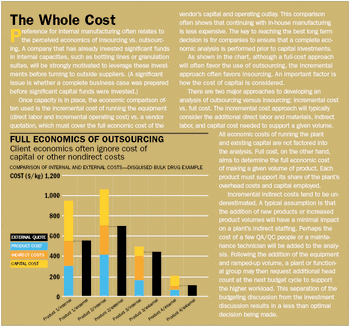
Outsourcing saves money-except when it doesn't. Here's how to decide what to do.