




Industry Trends
Latest News

Advertisement
Advertisement

Webcasts
Webinar Date/Time: Wednesday, May 24th, 2023 at 10am EDT | 7am PDT | 3pm BST | 4pm CEST

Kevin Hagan, president and CEO of the PAN Foundation, discusses how pharma can help Medicare patients post-IRA reform.

After the pandemic forced fundamental changes in the ways pharma and key opinion leaders worked together, both groups are using what they learned for a more seamless connection.

Sunil Verma, SVP, Global Head of Oncology, Medical, AstraZeneca discusses how the Medical Affairs role will become more strategic and effective with data.
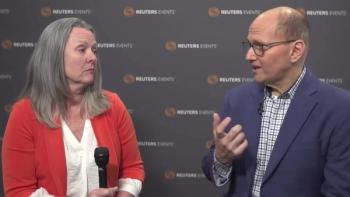
Kevin Hagan, president and CEO of the PAN Foundation, spoke to PharmExec about the recent IRA changes that impact Medicare, as well as the Foundation's near-term goals.
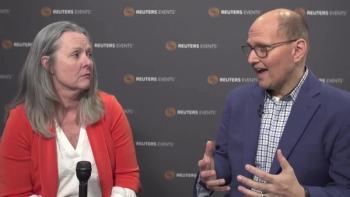
Kevin Hagan, president and CEO of the PAN Foundation, spoke to PharmExec about the recent IRA changes to Medicare and how it positively effects patients.

At Pharma USA 2023, Peter Marks, MD, PhD and director of CBER described FDA and public/private partnerships working toward scalable manufacturing approaches to address commercial viability and global access for cell and gene therapies

As the life sciences industry enters this next stage of growth, capitalizing on AI and digital transformation will be key to propelling innovation and ensuring that companies are prepared to tackle the challenges ahead.

How pharma companies can leverage the lessons learned during the pandemic around key opinion leaders and digital opinion leaders, respectively, to best use new channels of communication. Can both coexist across the healthcare engagement spectrum?

Webcasts
Webinar Date/Time: Wed, Apr 12, 2023 1:00 PM EDT

Webcasts
Webinar Date/Time: Mon, Mar 13, 2023 11:00 AM EDT

Webcasts
Webinar Date/Time: Thu, Mar 16, 2023 11:00 AM EDT

Delivering value with enterprise program management.
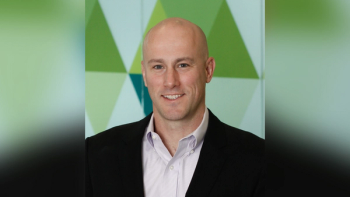
What the c-suite should consider in today’s marketplace.

As they are forced to do more with less, pharma commercial leaders should rethink their incentive programs to ensure their sales teams remain strong drivers of growth.
Pharma companies are teaming with academic institutions earlier in the R&D process.

Interpreting what the Inflation Reduction Act could mean for biopharma.

How technology will play a big role in advancing pharma approaches in patient support.

As new channels enter healthcare conversation mix, engagement strategies are changing.

An evolving job market has forced life sciences companies to respond.
The steps companies can take now to better protect themselves and their data.

Baker spoke on topics ranging from pricing, access, the war for talent, and other key areas that are impacting pharma companies.
Personalized medicine continued its growth over the past year and became one of the most talked about topics in the life sciences industry.

Top industry experts weigh in on what the new year holds for the pharma industry.
Advertisement
Advertisement
Trending on PharmExec
1
FDA Grants Ultomiris Accelerated Approval in the U.S. for Adults with Primary Immunoglobulin A Nephropathy
2
FDA Approves Hibsago (Bepirovirsen) for Chronic Hepatitis B
3
Median Drug Launch Prices Hit $257,000 as Access Barriers Persist, ICER and West Health Report Finds
4
CSL Names Deborah Waterhouse as CEO and Manager Director
5