




Pharmaceutical Executive
A new FDA Web site defines consumer print advertising so the general public can spot bad and good pharma ads. As a bonus, the site also serves as a checklist for pharma marketers trying not to step on any regulatory toes.
A collaborative approach by Quest Diagnostics and PatientsLikeMe

Our latest white paper explores the power of real-world data at every stage of the trial process.


Connecting the right patients to the right trial

Pharmaceutical Executive
A new FDA Web site defines consumer print advertising so the general public can spot bad and good pharma ads. As a bonus, the site also serves as a checklist for pharma marketers trying not to step on any regulatory toes.
Pharmaceutical Executive
A new study finds that doctors are three times more likely to prescribe generics when they don’t have access to free samples of branded drugs.
Pharmaceutical Executive
Celebrity spokesperson Dr. Jarvik has been replaced with a Regular Joe in the latest Lipitor DTC spots. Will the switch make a difference?
Pharmaceutical Executive
A new study tracks six high-traffic drugs that are turning up on shady online pharmacies, usually at huge discounts. The conclusion: Fancy Web sites are suckering customers and costing pharma money and credibility.
Pharmaceutical Executive
Do consumers pay attention to risk information in television ads? FDA plans to find out with a study using phony ads for a nonexistent blood pressure drug.
Pharmaceutical Executive
Crohn?s disease is the topic of conversation on the first Abbott unbranded podcast. The company talks about why it went the radio route.
Pharmaceutical Executive
How a diabetes field team helped docs overcome the treatment gap
Pharmaceutical Executive
The new Phrma marketing code bans pens and pads and other non-educational gifts. It bans dinners with docs (but not the lunch-and-learn). And it requires compliance. Are we safer yet?
Pharmaceutical Executive
With the launch of the Center for Communication Compliance, pharma companies and PR firms have a one-stop resource to educate themselves about marketing regulations in an effort to reduce accidental non-compliance.

Pharmaceutical Executive
An innovative approach bridges the pediatric communication gap

Pharmaceutical Executive
A strict marketing regimen will help keep your brand healthy in the digital
Pharmaceutical Executive
On Monday, a handful of Big Pharma companies told Congress that they would put a six-month moratorium on drug ads for recently approved medication. Pfizer, Merck, Schering-Plough, and Johnson & Johnson also agreed to closely follow the American Medical Association's guidelines when using actors playing physicians in advertisements.

Pharmaceutical Executive
Do you really know who you are hiring? Agency Insider Mark Chataway spills the beans on why the pitch doesn't work, and what you need to do before signing on

Pharmaceutical Executive
At a time when current sales and marketing models are unsustainable, pharma is still slow to adopt online opportunities

Pharmaceutical Executive
When it comes to marketing, every syllable speaks volumes

Pharmaceutical Executive
Pharma is taking note of online video's power to affect B2B communications
Pharmaceutical Executive
American Red Cross scores a win against Johnson & Johnson in a legal battle over the use of one of the healthcare?s most recognizable symbols
Pharmaceutical Executive
FDA takes the opportunity to remind industry what reminder ads are, as promotional material for Shire's Fosrenol is deemed in violation of advertising rules
Pharmaceutical Executive
Marketers and sales reps feel the brunt of faltering Procrit sales as J&J consolidates its biologics divisions.
Pharmaceutical Executive
Consumer advertising might be taking a hit in the media and Congress, but pharma was all smiles at this year's PhAME Awards as the best DTC campaigns took the spotlight

Pharmaceutical Executive
Technology isn't the magic bullet, but it can help you hit your target

Pharmaceutical Executive
The tech-savvy creative team at Concentric Rx has its sales force mixing work and play

Pharmaceutical Executive
Thanks to Dr. Google and Nurse Yahoo, pharma consumers know better than ever how to get exactly what they want
Pharmaceutical Executive
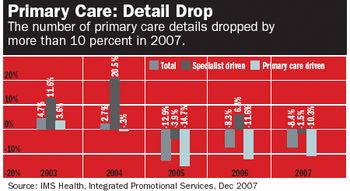
Promotional spending is down as companies rationalize and optimize budgets. But in contrast to big changes on the sales side, marketers are still trying to make the old model work