

Pharmaceutical Executive
What Big Pharma needs to learn-and value-about this rapidly growing US demographic

A collaborative approach by Quest Diagnostics and PatientsLikeMe

Our latest white paper explores the power of real-world data at every stage of the trial process.


Connecting the right patients to the right trial

Pharmaceutical Executive
What Big Pharma needs to learn-and value-about this rapidly growing US demographic
Pharmaceutical Executive
A new study looks at the movement of thought leaders and medical science liaisons from primarily marketing to other areas of the pharma company. Though the shift might be minor (7 percent since 2002), it might be a sign of things to come.
Pharmaceutical Executive
Now that Apple has opened its iPhone to third-party software developers, healthcare productivity programs are leading the charge. Here?s a preview of one of the frontrunners.
Pharmaceutical Executive
Pharma is still having a hard time earning the confidence of the key opinion elite, as only 56 percent claim they trust the industry.
Pharmaceutical Executive
A Kaiser Foundation study finds that although most Americans look favorably upon pharmaceuticals, they generally think drugs are too expensive and that most of the cost is blown on advertising.

Pharmaceutical Executive
Industry insiders explain how pharma companies are reorganizing their salesforces in the wake of industry-wide layoffs
Pharmaceutical Executive
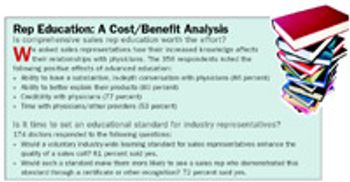
New research points to the power of a highly educated sales force, supporting the case for a voluntary educational standard

Pharmaceutical Executive
Why Big Pharma can no longer afford to treat patient adherence programs as an afterthought

Pharmaceutical Executive
IAG Research released its top-10 list of most-recalled new pharma ads of 2007. Many familiar faces top the list, including the Nasonex bee, Abe Lincoln, and Dr. Jarvik, but how many of those faces will still be there next year?
Pharmaceutical Executive
Avenue A|Razorfish's new digital-outlook report indicates that pharma is still floundering online. Though some pharma companies are taking steps to make their online presence known, others are still crawling.
Pharmaceutical Executive
Under pressure from Congress and public scrutiny, Pfizer voluntarily pulled its controversial television campaign for Lipitor featuring Dr. Jarvik.
Pharmaceutical Executive
Pfizer's consumer ads for Lipitor are causing a stir on the blogs and in Congress. Did the company cross the line by using a famous (but unlicensed) doctor to market a drug, or is this a case of a mistaken identity?
Pharmaceutical Executive
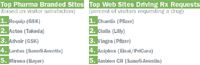
More and more consumers are surfing the Web for information about prescription drugs, but many bypass brand.com sites, a new report says.
Pharmaceutical Executive
Lilly is in the midst of settlement discussions with federal prosecutors over the pharma company?s off-label marketing of the antipsychotic medication Zyprexa. If settled, Lilly could be shelling out more than $1 billion in fines.
Pharmaceutical Executive
Merck is under investigation for allegedly pushing physicians to prescribe Vioxx for unapproved use. Federal investigators are scrutinizing Merck?s marketing and sales practices in search of shady business tactics.
Pharmaceutical Executive
With sales forces shrinking, how does the industry combine new technologies with old-fashioned face time to maximize sales?

Pharmaceutical Executive
A black-box warning needn't spell doom for your product. Here's how to take the good with the bad and end up on top.
Pharmaceutical Executive
Novartis and Cadient served up a very successful unbranded campaign on YouTube. Pharma should take note of this Web 2.0 victory.
Pharmaceutical Executive
After watching similar legislation barring data mining for Rx info get shut down in Maine and New Hampshire, Vermont changes tactics and amends its law.
Pharmaceutical Executive
Unlike Vioxx, Vytorin works exactly as explained in its now-famous food-and-family ads. So why are people up in arms against the drug? Experts ponder what went wrong.
Pharmaceutical Executive
In a surprising but not completely unexpected move, FDA announced last week that its Prescription Drug User Fee Act was dead on arrival. Feds cite lack of funding as main reason.
Pharmaceutical Executive
New report finds that neither sales reps nor patient requests are the deciding factor when it comes to physician prescribing habits, information is-the more the better.
Pharmaceutical Executive
New study finds that risks and side effects don't get their fair share of time in television advertising. The authors cry out for more educational information in DTC ads--but is it necessary if the ads aren't breaking the law?

Pharmaceutical Executive
We asked seven industry experts to talk about today's best (and worst) pharma icons