


Pharmaceutical Executive
With ads on topics ranging from addiction to disease states, this year's Rx Club Award winners connect creativity with emotion

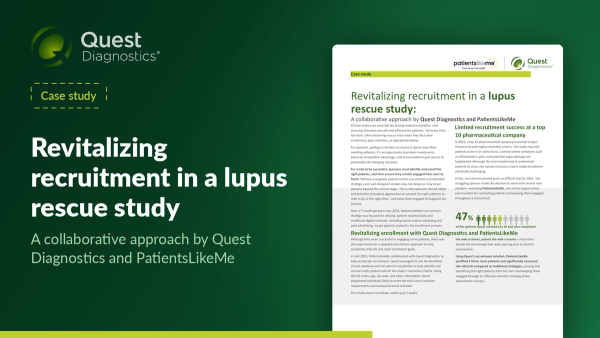
A collaborative approach by Quest Diagnostics and PatientsLikeMe
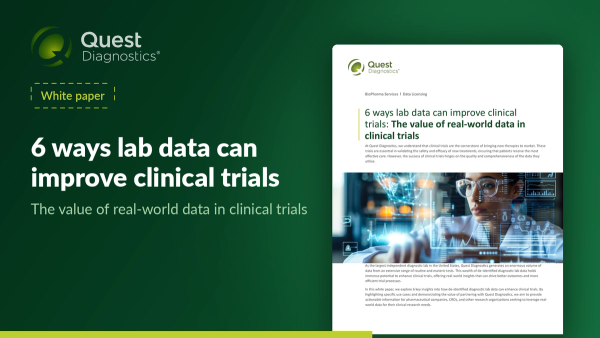
Our latest white paper explores the power of real-world data at every stage of the trial process.
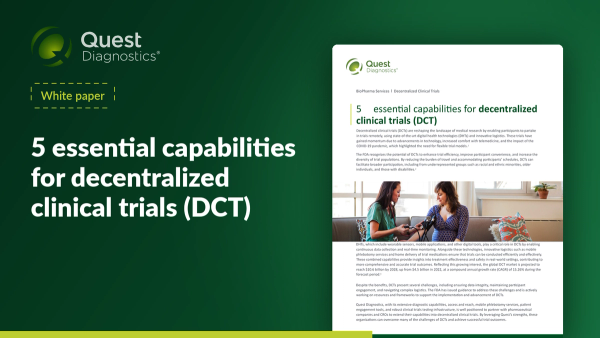
Connecting the right patients to the right trial

Pharmaceutical Executive
With ads on topics ranging from addiction to disease states, this year's Rx Club Award winners connect creativity with emotion

Pharmaceutical Executive
The impact of high-quality online training tools would be difficult and costly to replicate offline given the dynamic and interactive aspects offered
Pharmaceutical Executive
Lynn Upshaw posits that marketing with integrity is key to success in these skeptical times. To do so, a company has to live its brand. In his book, Upshaw tells you how.

Pharmaceutical Executive
The direct-to-consumer marketing campaign for havidol, a drug for dysphoric social attention consumption deficit anxiety disorder, is drawing lots of public reaction. (but neither the drug nor the disease is real.)
Pharmaceutical Executive
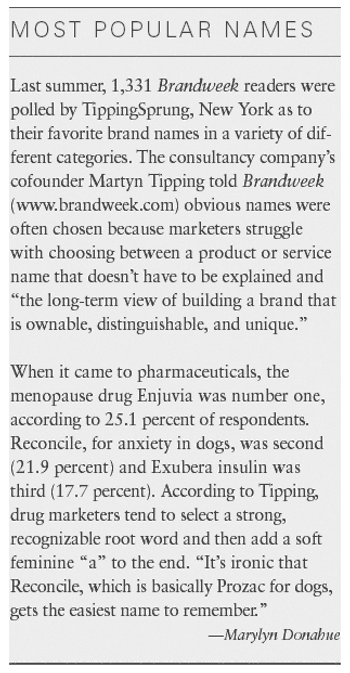
Choosing a name for a new pharmaceutical product used to be a pretty straightforward proposition. Twenty years ago, most drug names were descriptive or functional in nature; they relied on the indication, therapeutic category, or generic name for their creative direction.

Pharmaceutical Executive
The hard work being done by the industry to prove its commitment to patients and better health is being hampered by its reputation of unreliability
Pharmaceutical Executive
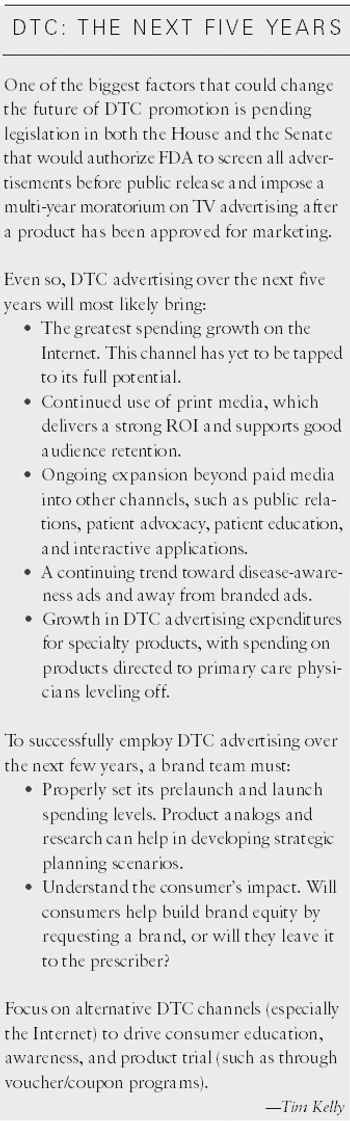
With Exprience and A new means of measuring impact on patient behavior, branders have never been in a better position to make their strategies work


Pharmaceutical Executive
New search engine gives consumers the ability to manage all their health needs from a central location--and offers pharma the opportunity to reach new patients through targeted search ads
Pharmaceutical Executive
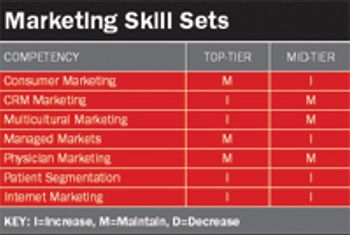
These are challenging times for senior operations executives who support sales, marketing, and managed markets. The pipeline shortfall, drug-approval delays, and increasing regulatory complexity have squeezed budgets while raising revenue targets. The Medicare Modernization Act (MMA) has caused some of the most far-reaching changes in the sales and marketing landscape, as government purchasing power creates both new opportunities and greater restrictions. In addition, traditional modes of selling have saturated the market, and the sales model the industry knows and loves is no longer so effective.
Pharmaceutical Executive
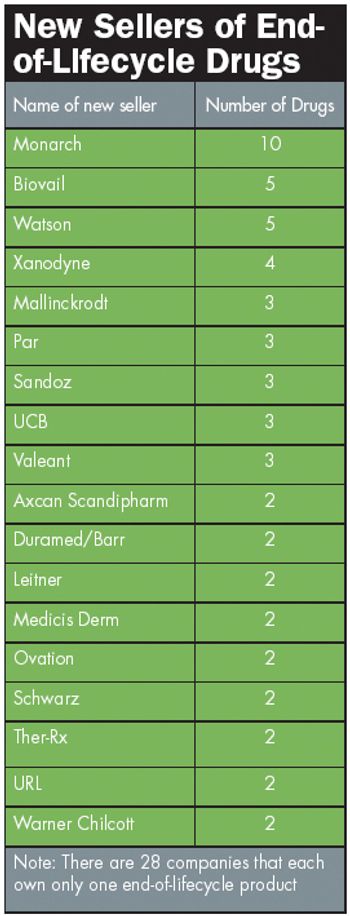
Very few drugs live forever. Barring remarkable scientific advances and radical market dynamics, most drugs hit old age-and sharply declining sales-several years before their patent expires. But some drugs go out with a bang, not a whimper.

Pharmaceutical Executive
You have to admit: Mark McClellan, MD, has quite a resumé. But after you've been the commissioner of FDA and the administrator of the Centers for Medicare and Medicaid Services (CMS), what comes next?

Pharmaceutical Executive
If you've been thinking of online video as a toy or, worse yet, as something that's going to happen at some point in the future, let me offer you a picture: Me, a target pharma customer, on the elliptical machine at the gym, watching, no, not CNN or Katie Couric, but "Nephrology Consult 101, Unusual Causes of Renal Failure" and "Internal Jugular Central Line Placement," a pair of free video podcasts I downloaded from the Yale School of Medicine.
Pharmaceutical Executive
Search engine giant says industry lags behind on e-marketing

Pharmaceutical Executive
From pamphlets to posters to informational magazines, doctors' offices are teeming with direct-to-patient promotions, and patients are starting to overlook them. To cut through the clutter, one healthcare-technology company created a device that replaces the common intake clipboard with a digital pad that collects patient information and responds with branded information.
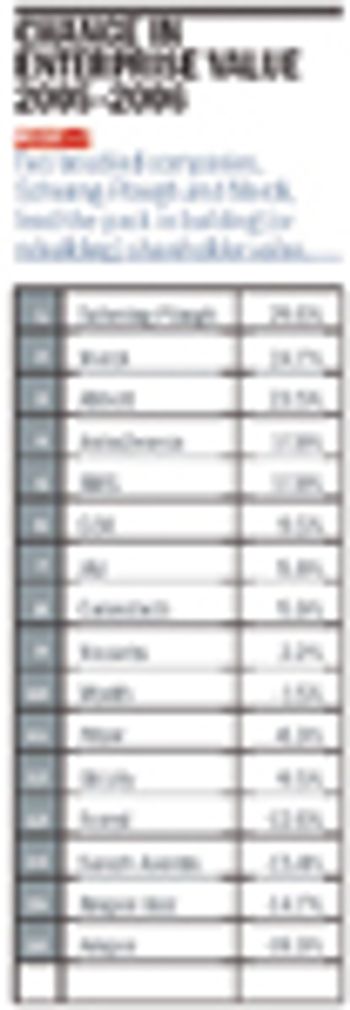
For the sixth year in a row, Pharm Exec invites Professor Bill Trombetta of St. Joseph’s University to analyze the pharma industry's financial performance with a battery of business metrics, old and new. The highlights: Genentech pulls ahead of its longtime rival, Amgen. Forest delivers another strong performance, despite dropping revenue. Schering-Plough is building enterprise value. Biogen Idec racks up a stellar profit margin. And Merck? Well, Merck is back, baby. And the winner is…
Pharmaceutical Executive
Many see Vioxx and Avandia as clear signs that the drug safety system has failed. As soon as reports of these drugs' adverse events began to flood the media, consumers-and Congress-demanded to know: "Why didn't we know sooner?"
Pharmaceutical Executive
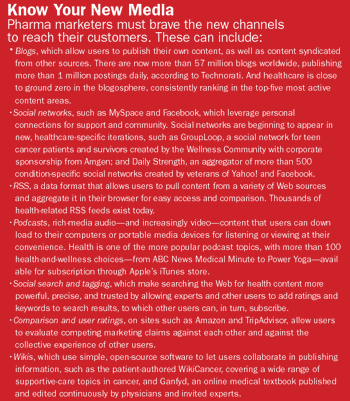
For pharma marketers, understanding the on-demand opportunity starts with recognizing that customers are, in many ways, ahead of the industry
Pharmaceutical Executive
Novartis' Zelnorm is back, but only through a restricted-access program.

Pharmaceutical Executive
A new class of scales that can help capture drug effects-not necessarily disease impacts, as quality-of-life instruments currently do-will likely be needed to identify the meaning of the drug's benefits to patients

Pharmaceutical Executive
Brand essence is the result of a mixture of empirical facts, brand personality, functional benefits, and feelings that leads to the differentiating brand idea
Pharmaceutical Executive
Spending expected to increase mildly in the short term
Pharmaceutical Executive
In the wake of a high-profile death from counterfeit drugs, the industry reacts

Pharmaceutical Executive
Personalized health communication enables marketers to vary the messages they deliver, and it increases their ability to motivate different patients to act