



Market Access
Latest News
Advertisement
Latest Videos
Advertisement
More News

Market access strategies are evolving as more biopharma companies commercialize their own therapies, requiring closer alignment with payer requirements, provider education, specialty pharmacy networks, and patient support services to ensure appropriate coverage, prescribing, and long-term adherence.
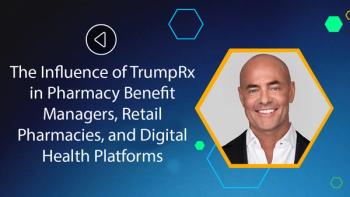
Joseph Kleiman examines how Trump Rx could pressure pharmacy benefit managers and retailers to increase transparency and affordability, while cautioning that its long-term impact will depend on price consistency.
Starting next January, the list prices for three of the company’s weight-loss medications will reduce.
Jay Bregman, CEO and co-founder of Andel discusses how FDA’s planned action against non-FDA-approved GLP-1 products could reshape competition in obesity and diabetes care.

A public clash is emerging between ACIP advisers and the FDA over the future of Covid vaccines, as ACIP vice chair Robert Malone publicly accuses Commissioner Marty Makary of blocking efforts to remove the shots from the market.

How demand-driven development will help new products be more successful.
Novo Nordisk’s launch of the first oral GLP-1 for obesity brings Wegovy to U.S. patients in pill form, expanding access to clinically proven weight-loss and cardiovascular risk-reduction therapy with broad affordability options.
As the availability and utilization of ultra-high-cost, long-term specialty products such as GLP-1s and cell and gene therapies grows, HR decision-makers and pharmacy consultants must embrace a more value-oriented mindset where they can.
Ascension of agonist class touching all parts of the market—from science to strategy.
Will the politically fueled reforms and mandates around drug pricing reduce the complexity of the system?

The European pharmaceutical market, representing 20% of the global pharmaceutical market, is not a fortress to be feared but an opportunity to be seized.

Evaluating standard clinical focus through the growing financial lens.

The entrepreneur urges the Trump administration to eliminate costly FDA generic drug fees, part of a broader push to scale domestic production, address shortages, and challenge PBM-driven pricing models.

A successful transition from clinical development to commercial launch in cell and gene therapy requires early, structured collaboration with health systems to address operational, financial, and workflow challenges that shape real-world patient access and therapy adoption.
The price adjustment to the popular GLP-1 agonist is part of an ongoing effort to expand access to patients with obesity by making medicines more affordable.

Recent policy shifts in these two influential health technology assessment markets signal a broader regional move toward faster, more innovation-friendly access frameworks.

The agreement includes exemptions for UK-produced drugs and medical devices from Section 232 tariffs, but mandates a significant change to the UK's NICE value appraisal framework.

Jay Bregman, co-founder of Andel, closes out our conversation by explaining the impact government programs will have on GLP-1 coverage.

The Trump administration has announced new negotiated Medicare prices for a second wave of blockbuster treatments, yielding an estimated $12 billion in savings for 2027, when compared to Medicare’s 2024 net spending.

As the federal government prepares to release newly negotiated Medicare drug prices, weight-loss blockbusters Ozempic and Wegovy remain in the spotlight, while CMS advances a model to cut Medicaid spending and broaden access to affordable treatments.
In the second part of our conversation, Andel co-founder Jay Bregman how new GLP-1 options hitting the market will amplify existing coverage problems for the near future.

As affordability, access, and transparency reshape U.S. healthcare, manufacturers are rapidly redefining direct-to-patient drug distribution as a core strategic capability, one that demands fully integrated, data-driven platforms to secure control, competitiveness, and long-term value creation.

Jay Bregman, co-founder of Andel, the cost and operational complexity of covering GLP-1 medications.
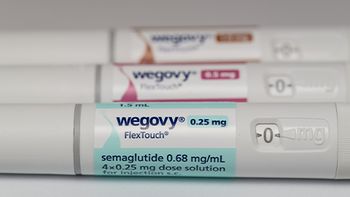
The company is launching new self-pay pricing options, expanded savings programs, and partnerships with telehealth and retail providers. all while its obesity portfolio gains momentum under the FDA’s National Priority Voucher program.

The nationally licensed pharmacy network now supports Ethereum, Solana, and XRP across all retail locations, marking a major step toward faster, more transparent payments—and laying the groundwork for a blockchain-based prescription drug payment system.
Advertisement
Advertisement
Trending on PharmExec
1
Roundup: Gilead Acquires Oral IL-23R Inhibitor From PepStar for $1.275 Billion, Zymeworks Licenses DLL3-Targeting T Cell Engager to Roche
2
Treasury Proposes Rules Adding Biotechnology to Outbound Investment Security Program
3
FDA Approves Hibsago (Bepirovirsen) for Chronic Hepatitis B
4
FDA Grants Ultomiris Accelerated Approval in the U.S. for Adults with Primary Immunoglobulin A Nephropathy
5